
Starter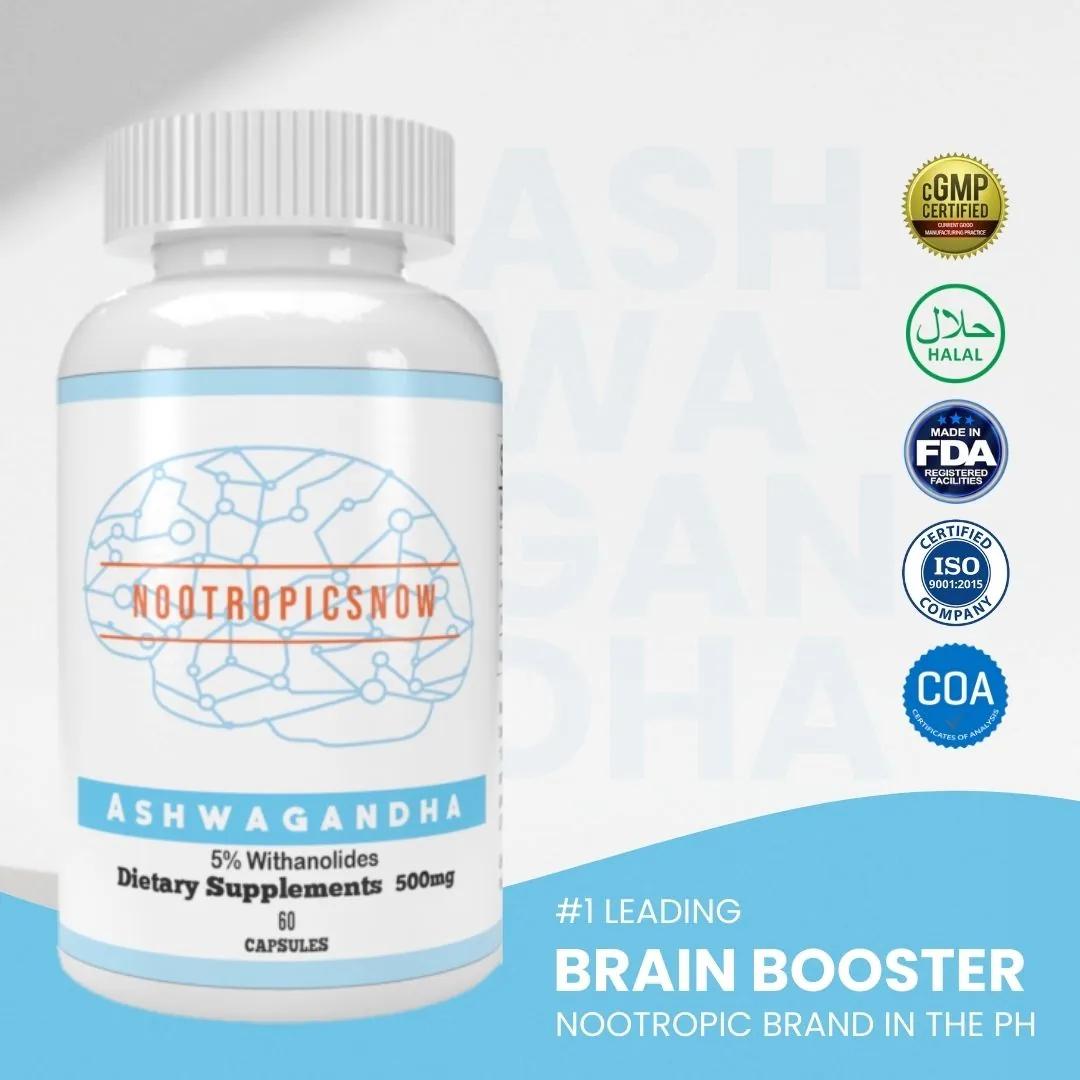
Stress
Last reviewed July 23, 2026
Occasional emails. Unsubscribe anytime.
TL;DR
In the Philippines, people comparing the best supplements for stress and anxiety on Reddit often run into the same problem: the thread is full of confidence, but not always full of evidence.
Reddit is genuinely useful for one thing: it shows which ingredients people keep asking about. That can help you narrow a huge supplement market into a short list worth reading about. But a popular thread is not the same as a clinical review, and a strong personal story does not tell you whether the same result will happen for you.1
It also helps to separate stress from anxiety. They often overlap in daily life, but they are not identical states. Anxiety disorders are a major area of psychiatric care, and reviews note that they are common and disabling; that is one reason blanket “best supplement” claims tend to oversimplify the problem.1 Some people mainly want help with mental tension, while others are dealing with sleep loss, physical arousal, or a broader anxiety pattern. Those differences matter because the supplement choice should match the symptom pattern, not the thread title.
A second thing Reddit misses is baseline physiology. Stress is not only “in your head.” Reviews describe links between stress and inflammatory signaling, and other work points to interactions between stress and HPA-axis activity in the body.26 That does not mean every supplement works through the same pathway, only that stress support is rarely a one-ingredient story.
The most cautious way to read Reddit is to address it as a question generator: What ingredient keeps appearing? What form is people using? Is the discussion about sedation, calm, sleep, or energy? Then check whether human studies actually support that use case.1
Ashwagandha comes up constantly in online stress discussions, and there is a reason it keeps resurfacing: a standardized root extract has been studied in adults for stress and anxiety outcomes.3 In that trial, the extract was standardized for withanolides and taken once daily, which matters because “ashwagandha” on a label can mean very different products in practice.3 When people talk about it online, they are often really talking about a standardized extract rather than a random powder.
If you are looking at ashwagandha, the practical question is not “Is it trending?” but “Is the product standardized, clearly labeled, and reasonable for daily use?” Some newer research also looks at standardized Withania somnifera extracts in people with stress and anxiety who also have cardiometabolic risk factors, suggesting that the ingredient continues to be studied in real-world adult populations.6 That is not a guarantee of benefit for every user, but it does support why the ingredient remains a frequent recommendation in discussion forums.
Rhodiola rosea is another ingredient that shows up in “stress supplements” threads. It is commonly grouped with adaptogens in online conversation, especially by people who want something that feels more resilience-focused than sedating. The research base in the citation pool here does not directly support a specific rhodiola claim, so the cautious takeaway is narrower: it is a common discussion point, but you still need to check extract quality, product labeling, and the actual evidence for the exact formula you are buying. In other words, popularity is not proof.
Calming botanicals also show up in stacked formulas. Some people mention mushroom or plant blends, while others look for a single-ingredient approach. The main issue with stacked products is that they can make it hard to know what is helping, what is not, and what is causing side effects. If you are sensitive to supplements, a simpler formula is often easier to evaluate than a long list of add-ons.
If you want a widely discussed ingredient with human trial data, ashwagandha is the clearest place to start. Standardized root extract is the key phrase here, because the product quality and the dose format matter as much as the botanical name. Catalog option: ashwagandha.
The right supplement depends on what stress looks like for you. If your stress feels like being wired, tense, and unable to settle, then sleep quality and recovery may be the more useful targets than a “pick-me-up” formula. Review-level evidence suggests that insomnia-focused cognitive behavioral therapy can improve depression and anxiety outcomes in people who already have insomnia, which is a reminder that sleep and stress are tightly linked.5
That matters because many people online try to solve a sleep problem with a daytime product. If your real issue is a restless night, adding something that only promises alertness may not address the driver of your symptoms. On the other hand, if your stress shows up as low drive, mental fatigue, or flattened energy, you may want to ask whether your supplement should support resilience rather than quieting you further. The best choice is the one that matches the way stress is showing up in your life.
This is also where dosing discipline matters. With calming supplements, more is not always better. Standardized extracts are easier to evaluate because you can compare what you actually took with what the study used. If a label hides the dose inside a “proprietary blend,” you lose that comparison. A transparent label is especially important if you plan to combine a supplement with coffee, sleep aids, or other mood products.
Hydration is another basic variable that gets overlooked. A clinical study found that habitual fluid intake and hydration status influenced cortisol reactivity to acute psychosocial stress.4 That does not make water a magic fix, but it does mean that a “stress stack” can be undermined by very ordinary factors like low fluid intake, heat, and poor daily habits. For PH readers, that is especially relevant during hot, humid months or if your workday makes hydration inconsistent.
If you are choosing among calming supplements, it helps to ask four questions: Is the ingredient standardized? Is the dose clear? Is the product trying to do too much at once? And does the use case match your actual symptom pattern? Those questions usually beat any Reddit ranking.
Supplements are only one part of stress management. Yoga has been studied in generalized anxiety disorder, and the trial compared Kundalini yoga with cognitive behavioral therapy and stress education.7 The key point is not that yoga replaces everything else, but that non-drug approaches can have real value, especially when anxiety is part of a broader stress picture.
CBT remains a major reference point because it gives you a structured way to work with anxious thoughts and behaviors, while CBT-I focuses on insomnia patterns that can spill into mood and anxiety.57 If your stress is closely tied to sleep disruption, a sleep-first plan can be more useful than trying to guess which supplement will calm you down at night. For some readers, that means a better bedtime routine, a later caffeine cutoff, or professional help for insomnia rather than another capsule.
There is also a practical reason to keep these habits in the conversation: they are easier to measure. If you improve hydration, sleep timing, and caffeine timing, you can often see whether your baseline has shifted before you add another ingredient. That makes later supplement decisions cleaner, because you are not trying to interpret a stack on top of a chaotic routine.
For people whose stress is driven by a busy, hot climate and irregular meals, the basics can be surprisingly important. A supplement may still have a role, but it is usually the second layer, not the first.
For PH readers, the issue is not only what Reddit likes; it is whether the product is actually available, properly labeled, and eligible for delivery within the Philippines. Online listings can vary a lot, so check the seller’s ingredient list, country of origin, and whether the product page clearly states what is inside the bottle.
If you are ordering from a local or cross-border seller, verify whether the item is shipped as a dietary supplement, whether the label is complete, and whether the store gives clear local Philippine shipping details. Product legality and shipping eligibility can vary by ingredient and by retailer, so do not assume that a product mentioned in a Reddit thread is routinely stocked or easy to import.
A sensible rule is this: if the label is vague, the seller is vague, or the product page avoids specifics, pause. In a market where multiple brands can share the same botanical name, transparency matters more than branding. That is especially true for ashwagandha, because the exact extract, standardization, and capsule dose can differ widely from one listing to another. For PH buyers, it is safer to prioritize clear labeling over hype, and to confirm delivery within the Philippines before checkout.
Reddit works best when you use it like a map, not a verdict. If several people mention the same ingredient, ask what exactly they mean: a standardized extract, a sleep aid, a “calm but not sleepy” formula, or just a popular brand name. Those are different things, and they should not be lumped together.
Watch for posts that sound absolute. “Works for everyone” is a red flag, because stress and anxiety are shaped by sleep, caffeine, workload, hydration, and underlying mental health patterns. Reviews of anxiety care emphasize that the condition is common and complex, which is why simplistic online promises often overreach.1
Also look for details that make a claim testable: extract type, dose, timing, duration, and side effects. If a post only says “this fixed me,” there is not much you can learn from it. If it says “standardized extract, once daily, I noticed less tension after several weeks,” that is at least a usable clue — still anecdotal, but easier to compare with human studies.3
Finally, do not ignore the possibility that your main issue is not a “stress supplement” problem at all. If poor sleep is driving mood symptoms, a sleep-focused intervention may deliver more value than another herb.5 If anxiety is persistent or getting in the way of daily functioning, habits and supplements may be supportive, but they are not a substitute for appropriate care.
What is the most common supplement people mention on Reddit for stress?
Ashwagandha comes up often because standardized root extract studies in adults have reported stress-related benefits.3
Are Reddit’s “best supplements” lists reliable?
They are useful for spotting popular options, but they are not a replacement for human research or individualized advice.1
Can I use calming supplements every day?
It depends on the ingredient, the product quality, and how you respond. Start conservatively and read labels carefully, especially with blended formulas.3
Do supplements work better than sleep changes for anxiety?
Not necessarily. If poor sleep is part of the problem, sleep-focused strategies can matter a lot for anxiety outcomes.5
Is there a PH-friendly way to shop for stress supplements?
Yes—check local shipping, product labeling, and whether the seller clearly supports delivery and availability for PH buyers.
What should I look for besides Reddit reviews?
Look for standardized extracts, ingredient transparency, and whether the claims are backed by human studies.3
If you want the most widely discussed stress-support ingredient with human trial data, ashwagandha is the clearest place to start.
This article is for educational purposes only. It is not medical advice, not a substitute for professional consultation, and is not intended to diagnose, treat, cure, or prevent any disease.
Statements about dietary supplements have not been evaluated by the FDA. Individual results vary. Consult a licensed physician before starting any new supplement — especially if you are pregnant, breastfeeding, have a medical condition, or are taking prescription medication.
Quality and sourcing information is available on our quality page. Batch-level lab test data is available on request — contact support.
Last reviewed: 2026-07-23
Amir Garakani, James W Murrough, Rafael C Freire. Pharmacotherapy of Anxiety Disorders: Current and Emerging Treatment Options.. Frontiers in psychiatry (2020). https://pubmed.ncbi.nlm.nih.gov/33424664/
Vasiliki Michopoulos, Abigail Powers, Charles F Gillespie. Inflammation in Fear- and Anxiety-Based Disorders: PTSD, GAD, and Beyond.. Neuropsychopharmacology : official publication of the American College of Neuropsychopharmacology (2017). https://pubmed.ncbi.nlm.nih.gov/27510423/
Muhammed Majeed, Kalyanam Nagabhushanam, Lakshmi Mundkur. A standardized Ashwagandha root extract alleviates stress, anxiety, and improves quality of life in healthy adults by modulating stress hormones: Results from a randomized, double-blind, placebo-controlled study.. Medicine (2023). https://pubmed.ncbi.nlm.nih.gov/37832082/
Daniel S Kashi, Marianne Hunter, Jason P Edwards. Habitual fluid intake and hydration status influence cortisol reactivity to acute psychosocial stress.. Journal of applied physiology (Bethesda, Md. : 1985) (2025). https://pubmed.ncbi.nlm.nih.gov/40803748/
Riya Mirchandaney, Raul Barete, Lauren D Asarnow. Moderators of Cognitive Behavioral Treatment for Insomnia on Depression and Anxiety Outcomes.. Current psychiatry reports (2022). https://pubmed.ncbi.nlm.nih.gov/35061137/
Pattojoshi A, Kumar Patra S, Idrees SA. Safety and efficacy of ashwagen (a standardized withania somnifera extract) in stress and anxiety with hypertension and associated cardiometabolic risk factors: a randomized, placebo-controlled trial.. (2026). https://pubmed.ncbi.nlm.nih.gov/42105298/
Naomi M Simon, Stefan G Hofmann, David Rosenfield. Efficacy of Yoga vs Cognitive Behavioral Therapy vs Stress Education for the Treatment of Generalized Anxiety Disorder: A Randomized Clinical Trial.. JAMA psychiatry (2021). https://pubmed.ncbi.nlm.nih.gov/32805013/