Optimized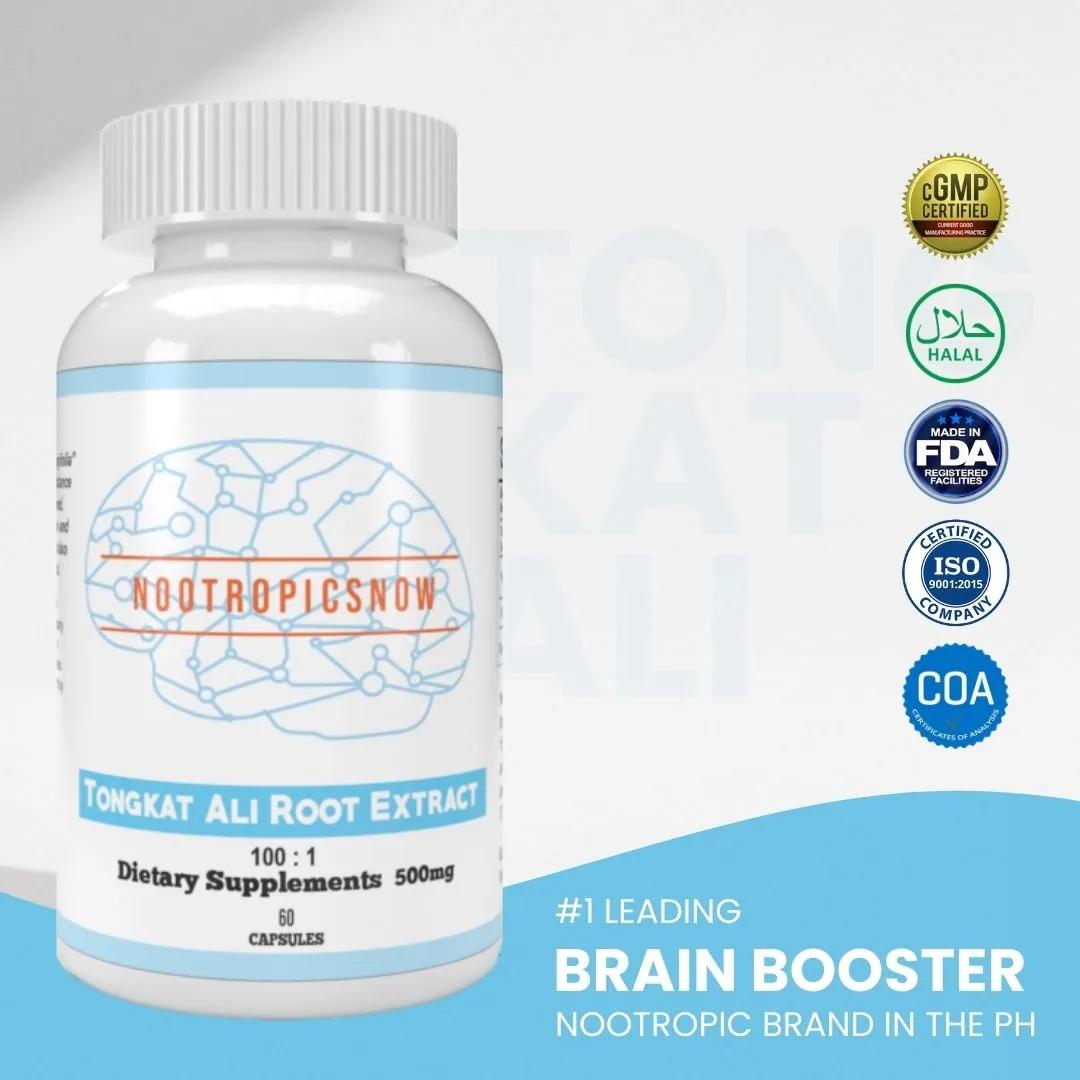
Stress
Last reviewed July 23, 2026
Occasional emails. Unsubscribe anytime.
TL;DR
In the Philippines, shoppers comparing ashwagandha often want a simple answer, but the better approach is to match the product to the goal and the label to the evidence.3
Ashwagandha is commonly discussed as an adaptogenic herb in the scientific literature, and that framing fits how many PH shoppers encounter it online and in supplement stores.13 This guide focuses on practical selection: how to read the label, how to think about stress and sleep support, and how to tell whether a formula is built for daily wellness or a more specific routine. The point is not to chase the “strongest” bottle; it is to choose a product that is easy to understand and reasonable to use consistently.
The research base is most developed for stress-related outcomes. A 2024 systematic review and meta-analysis evaluated ashwagandha for stress and anxiety, and a 2021 randomized placebo-controlled trial examined stress-relieving activity in stressed, healthy adults.16 Sleep is another common use case, and a separate systematic review and meta-analysis specifically looked at ashwagandha extract and sleep in human participants.2 That means the supplement is usually discussed in two lanes: daytime stress support and nighttime wind-down support.
For shoppers in the Philippines, this practical framing helps with comparison shopping. If a product label is vague, the buyer has to guess whether it is meant for stress, sleep, or broad wellness. If the label is clear, it becomes easier to compare extract type, serving size, and how long one bottle may last.
Systematic reviews and meta-analyses have evaluated ashwagandha for stress and anxiety outcomes in randomized trials, and the overall picture is promising but not uniform.71 That matters because many supplement pages imply a stronger certainty than the evidence can support. A cautious reading is better: the studies suggest a possible role in stress-related support, but results vary across trials, protocols, and products.
One reason the literature is difficult to simplify is that ashwagandha is not a single fixed intervention. Trials may use different extract types, different doses, different durations, and different participant groups. The 2019 randomized double-blind placebo-controlled study in stressed healthy adults looked at the stress-relieving activity of an ashwagandha extract, while broader reviews summarize both preclinical and clinical work around neuropsychiatric effects.63 So when readers ask whether ashwagandha “works,” the more accurate question is which extract, for which goal, over what time frame.
Sleep research is a separate but related branch. The 2021 meta-analysis on sleep evaluated randomized controlled trials of ashwagandha extract versus placebo in adults, which is why sleep support is often mentioned alongside stress in buyer comparisons.2 That does not mean every person will notice the same effect, but it does explain why many labels position ashwagandha as a calm-evening supplement rather than a stimulant-style product.
There is also a broader wellness conversation around ashwagandha. Reviews describe its use as an adaptogen and discuss wider biological activity, including anti-stress effects.38 That broader language is common in marketing, but it should not replace the specific evidence on stress and sleep. For buyers, the safest way to interpret the literature is to keep the claim narrow: ashwagandha has human-study support for stress-related outcomes and sleep, with uneven results across studies.72
The label is often more important than the brand name. When comparing ashwagandha capsules, look first for the extract style: some products use a standardized root extract, while others use branded extract forms that shoppers commonly compare because they want a clean way to judge formula type and intended use.34 If the label does not clearly state the extract, the product is harder to compare.
Dose per serving matters too. A good label should make it easy to see how much ashwagandha you are actually getting, whether that is listed as milligrams of extract, a standardization percentage, or another clearly stated format. Reviews of ashwagandha products emphasize that ingredient transparency and serving instructions are central to smart buying, especially when users are comparing options for stress or sleep support.34 A bottle with attractive branding but weak label detail is usually a poor value.
It also helps to decide which routine you are building. Some shoppers want a daytime stress-support formula, while others want a nighttime product that fits a sleep routine. Reviews note that ashwagandha is commonly used in both settings, which is why many buyers search for “best ashwagandha for stress” or “ashwagandha for sleep.”32 The formula should match the goal; otherwise, the user is forced to guess how to place it in the day.
If you are comparing branded extracts, remember that the buyer question is often about label clarity rather than status. KSM-66 vs Sensoril is a common comparison because shoppers want a simple way to judge whether the product is a standardized root extract or a branded form with a particular positioning. The better option is the one whose label is easiest to understand and whose intended use matches your routine.
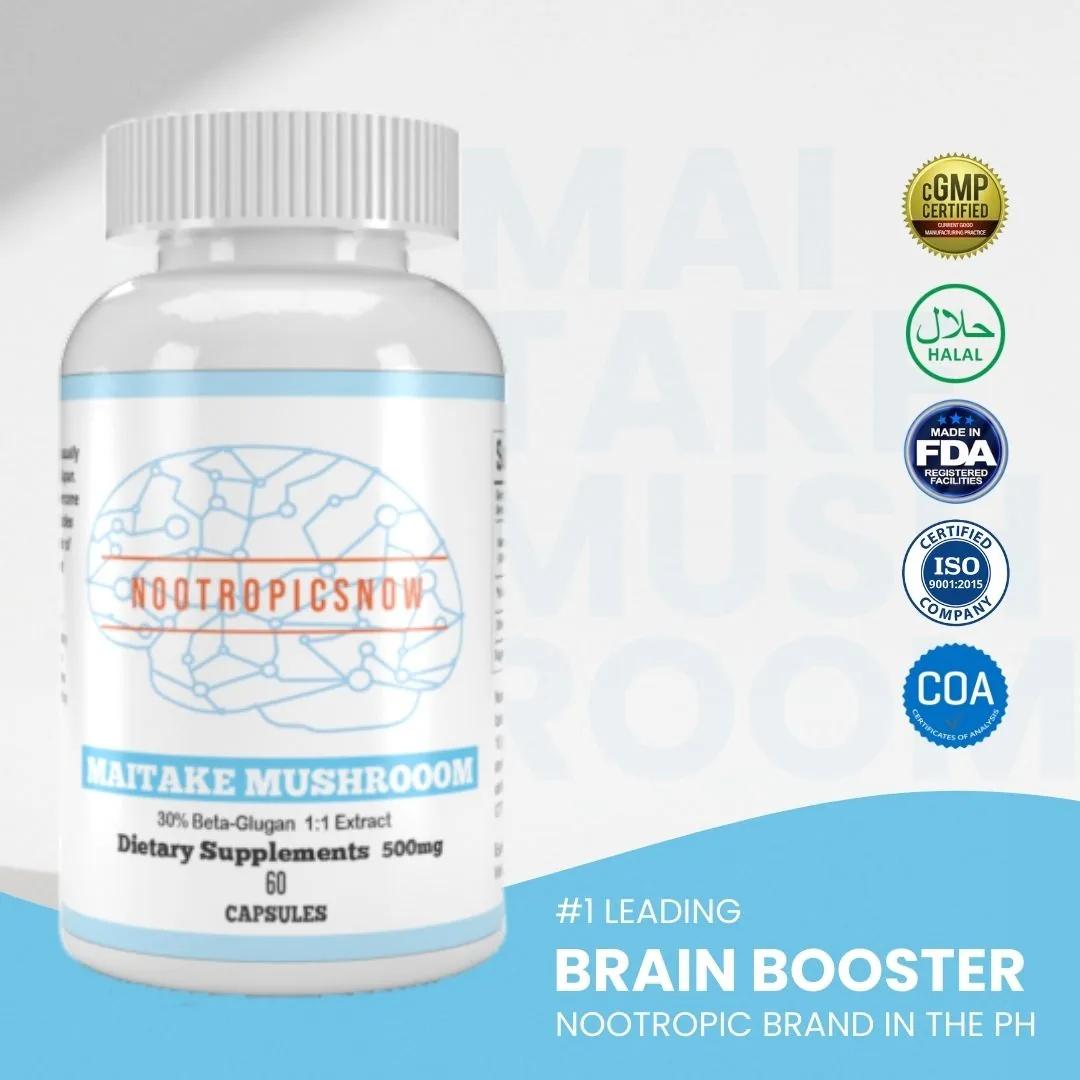
For readers who also browse other supplement categories, it can help to compare across use cases instead of only by marketing language. If you want a different non-caffeine wellness option alongside ashwagandha, a mushroom supplement can sit in the same shopping basket without being part of the same goal. For example, maitake mushroom products are often grouped into broader daily-wellness browsing, which may appeal to readers who want variety in a non-stimulant routine.
Start with the simplest question: does the bottle tell you what is inside? Clear ingredient lists, serving instructions, and capsule count make comparison shopping easier, especially when you are buying online and cannot inspect the package in person.36 If the label is vague, it becomes difficult to compare one product with another or to know how long a bottle will last.
A good ashwagandha product usually states whether it is a single-ingredient formula or part of a blend. Single-ingredient products are easier to evaluate because you can see whether the capsule contains ashwagandha root extract, how much is present, and whether the serving size is practical. Blends may still be useful, but they make it harder to judge what role ashwagandha is supposed to play. Reviews and broader discussions of nutraceutical use emphasize that clarity is important when buyers are evaluating plant-based products.93
Value is not just about sticker price. It is about cost per serving, bottle count, and whether the product format suits your habits. Capsules are often easier for consistency, while tablets may be preferred by some users for storage or swallowing preferences. The better buy is the one you are likely to take consistently, because a supplement that sits unused is poor value no matter how attractive the listing looks.43
When evaluating ashwagandha capsules, check whether the product description points to stress support, sleep support, or broader daily wellness. That matters because a label can be technically accurate yet still mismatched to the buyer’s routine. A daytime stress formula may not be the best fit for a bedtime routine, and a sleep-oriented product may not be ideal if the goal is general wellness support.
If you want a performance-oriented comparison in another supplement lane, tongkat ali is often used as a separate reference point for shoppers who care about goal-specific routines. Tongkat ali is typically discussed in a very different context from ashwagandha, which is why it can be useful as a comparison product for readers sorting by outcome.
Ashwagandha is a popular option for readers shopping for stress-related support because that is where the best-known evidence cluster sits.17 The 2019 placebo-controlled study looked at adults with self-reported high stress, and the 2024 review also centered on stress and anxiety outcomes in clinical trials.61 That makes ashwagandha a logical first stop for people whose main question is how to find a calmer, more manageable day.
Sleep is another common use case. The meta-analysis on sleep specifically evaluated ashwagandha extract in adult participants, which is why many buyers place it in a nighttime routine rather than a daytime stack.2 If your routine already includes a bedtime wind-down, the supplement may fit there more naturally than in the morning. Still, it is better to judge the product by its label directions and your own routine than by general internet advice.
People often ask whether one extract is “better” than another. In practice, the answer usually depends on the goal. A branded extract may appeal to shoppers who want a straightforward label story, while a standard root extract may appeal to those who want a simpler single-ingredient product. The literature supports stress and sleep outcomes broadly, but it does not turn one marketing name into a universal winner.32
A separate question is whether ashwagandha should be used for focus or memory. That is not the strongest use case in the research base, and the most consistent discussion remains stress and sleep.410 If focus is the main goal, it may make more sense to look at cognition-focused products instead of forcing ashwagandha into a role it does not primarily serve.
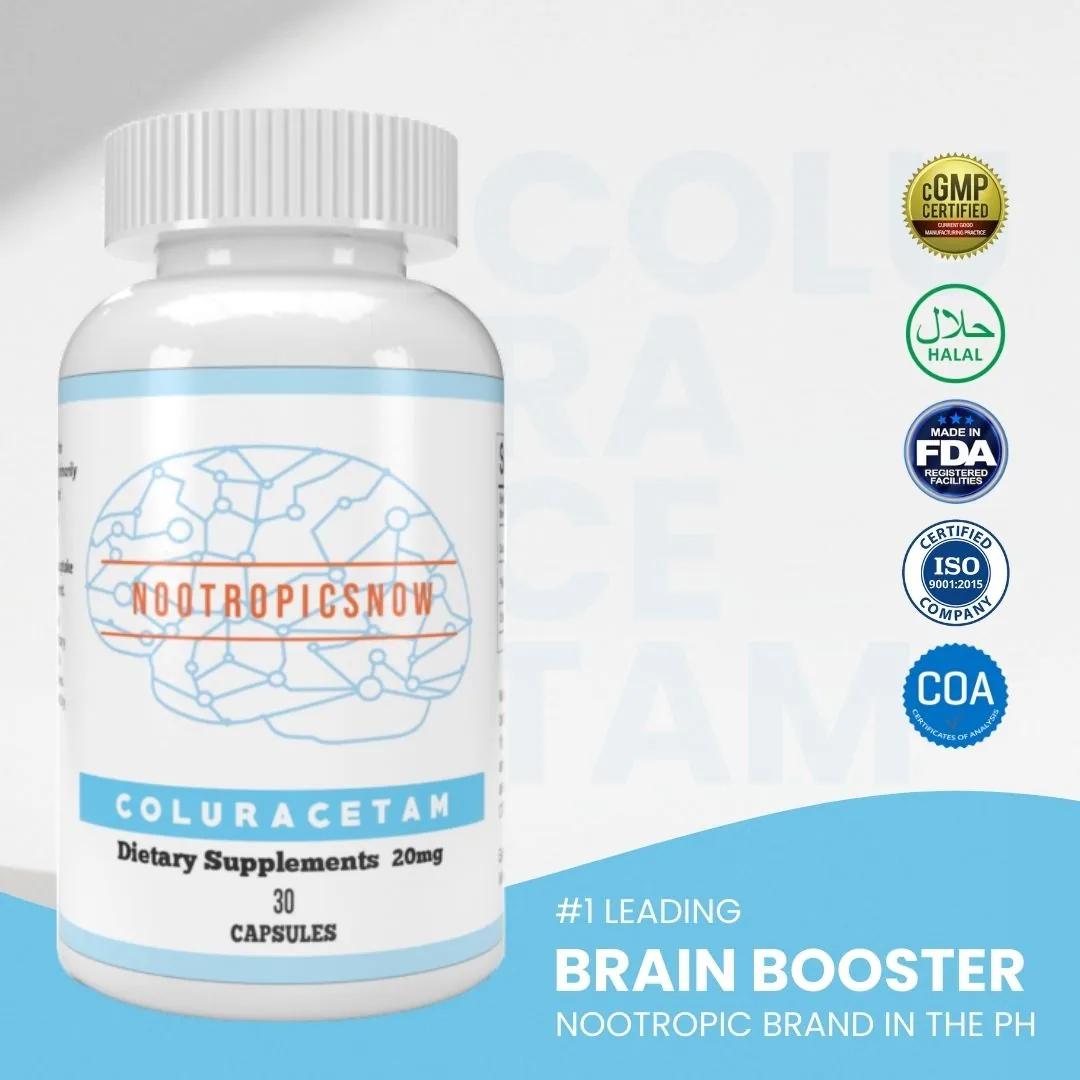
For that kind of cognition-first shopping, coluracetam is the sort of product some readers compare when they decide they want a more focus-centered option than an adaptogenic herb.
Safety and tolerability are part of the ashwagandha conversation, not an afterthought.51 Reviews discuss both healthcare claims and safety/toxicity aspects, which is a reminder that “natural” does not automatically mean “appropriate for everyone.”5 As with any supplement, the safest approach is to read the label carefully and pay attention to how you feel after starting.
Online discussion often centers on side effects, liver-safety concerns, and whether one extract is really better than another. Those concerns are a reason for realistic expectations, not panic. Reviews of ashwagandha note its wide use and ongoing scientific interest, but they also emphasize safety and toxicity considerations.53 If a person notices unwanted effects, the product should be stopped and the situation reassessed with a qualified clinician.
It is also wise to be cautious if you already take medication or manage a health condition. Nutraceutical guidelines and review articles make clear that plant-based products belong in a broader clinical conversation, especially when someone is already under care.9 This is especially relevant if the supplement is being considered for stress or sleep, since those same symptoms can overlap with other health issues that deserve proper evaluation.
For PH buyers, that caution matters because easy online access can make a supplement feel interchangeable with a general wellness snack. It is not. A good purchase is one that fits your needs, your routine, and your comfort with the product’s label.
Cost per serving is the fairest way to compare ashwagandha products, especially when bottle sizes differ.43 A lower sticker price can still be poor value if the serving count is tiny or if the dose is awkward for daily use. Compare how many days a bottle lasts, not just the price shown on the listing.
The most useful value check is simple: does the label tell you enough to compare fairly? If the extract type, serving size, and capsule count are clear, it is much easier to tell whether the product is worth a try. If the product page is vague, the buyer has to infer quality from marketing language, which is a weak basis for decision-making.34
Format matters too. Some buyers prefer capsules because they are easy to fit into a routine, while others prefer tablets or another format for convenience. The best supplement is the one you can take consistently without friction. Consistency is especially important for products discussed in the context of stress and sleep, since those outcomes are usually evaluated over time rather than after a single dose.62
If you are browsing from the Philippines, focus on listings that are easy to understand and easy to receive through local Philippine shipping or delivery within the Philippines. That practical detail matters because a good product with poor accessibility is not a good everyday choice.
Is ashwagandha a good choice for stress support in the Philippines?
Ashwagandha is commonly studied for stress-related outcomes, and systematic reviews have found promising but mixed results.71 It is best viewed as a supplement option, not a guaranteed solution.
Can I take ashwagandha at night for sleep support?
Sleep is one of the better-known use cases discussed in the research, so many shoppers place it in a nighttime routine.2 Start with the product’s label directions and be consistent before judging results.
Which is better: KSM-66, Sensoril, or a standard root extract?
That depends on your goal and the product’s label clarity.34 Buyers often compare branded extracts because they want a simple way to judge formula type, dose, and intended use.
How long should I try an ashwagandha supplement before deciding if it fits me?
Many shoppers want a practical trial window rather than instant results.62 A consistent routine and clear label instructions matter more than chasing the strongest bottle.
What are the main concerns people raise online about ashwagandha?
The most common online concerns are side effects, liver-safety chatter, and whether one extract is truly better than another.5 Those questions are why careful label reading matters.
Does ashwagandha help with focus or memory?
The strongest discussion in the evidence base is around stress and sleep, while cognition-related interest exists but is less central for most buyers.410 If focus is the main goal, look for products built around that use case.
If you are comparing other wellness options after reading this guide, tongkat ali is a common next stop for readers who want a different goal-driven supplement path. tongkat-ali-philippines
This article is for educational purposes only. It is not medical advice, not a substitute for professional consultation, and is not intended to diagnose, treat, cure, or prevent any disease.
Statements about dietary supplements have not been evaluated by the FDA. Individual results vary. Consult a licensed physician before starting any new supplement — especially if you are pregnant, breastfeeding, have a medical condition, or are taking prescription medication.
Quality and sourcing information is available on our quality page. Batch-level lab test data is available on request — contact support.
Last reviewed: 2026-07-23
Velan Arumugam, Venugopal Vijayakumar, Arthi Balakrishnan. Effects of Ashwagandha (Withania Somnifera) on stress and anxiety: A systematic review and meta-analysis.. Explore (New York, N.Y.) (2024). https://pubmed.ncbi.nlm.nih.gov/39348746/
Kae Ling Cheah, Mohd Noor Norhayati, Lili Husniati Yaacob. Effect of Ashwagandha (Withania somnifera) extract on sleep: A systematic review and meta-analysis.. PloS one (2021). https://pubmed.ncbi.nlm.nih.gov/34559859/
Alex B Speers, Kadine A Cabey, Amala Soumyanath. Effects of(Ashwagandha) on Stress and the Stress- Related Neuropsychiatric Disorders Anxiety, Depression, and Insomnia.. Current neuropharmacology (2021). https://pubmed.ncbi.nlm.nih.gov/34254920/
Shiyi Guo, Mohammad J Rezaei. The benefits of ashwagandha () supplements on brain function and sports performance.. Frontiers in nutrition (2024). https://pubmed.ncbi.nlm.nih.gov/39155932/
Deepa S Mandlik Ingawale, Ajay G Namdeo. Pharmacological evaluation of Ashwagandha highlighting its healthcare claims, safety, and toxicity aspects.. Journal of dietary supplements (2021). https://pubmed.ncbi.nlm.nih.gov/32242751/
Adrian L Lopresti, Stephen J Smith, Hakeemudin Malvi. An investigation into the stress-relieving and pharmacological actions of an ashwagandha (Withania somnifera) extract: A randomized, double-blind, placebo-controlled study.. Medicine (2019). https://pubmed.ncbi.nlm.nih.gov/31517876/
Camellia Akhgarjand, Farzaneh Asoudeh, Amir Bagheri. Does Ashwagandha supplementation have a beneficial effect on the management of anxiety and stress? A systematic review and meta-analysis of randomized controlled trials.. Phytotherapy research : PTR (2022). https://pubmed.ncbi.nlm.nih.gov/36017529/
Michał Wiciński, Anna Fajkiel-Madajczyk, Zuzanna Kurant. Can Ashwagandha Benefit the Endocrine System?-A Review.. International journal of molecular sciences (2023). https://pubmed.ncbi.nlm.nih.gov/38003702/
Jerome Sarris, Arun Ravindran, Lakshmi N Yatham. Clinician guidelines for the treatment of psychiatric disorders with nutraceuticals and phytoceuticals: The World Federation of Societies of Biological Psychiatry (WFSBP) and Canadian Network for Mood and Anxiety Treatments (CANMAT) Taskforce.. The world journal of biological psychiatry : the official journal of the World Federation of Societies of Biological Psychiatry (2022). https://pubmed.ncbi.nlm.nih.gov/35311615/
Cristina Lorca, María Mulet, Catalina Arévalo-Caro. Plant-derived nootropics and human cognition: A systematic review.. Critical reviews in food science and nutrition (2023). https://pubmed.ncbi.nlm.nih.gov/34978226/