Starter
Sleep
Last reviewed July 23, 2026
Occasional emails. Unsubscribe anytime.
TL;DR
In the Philippines, shoppers comparing magnesium for sleep often want simple guidance on timing, label reading, and what to expect from a nighttime routine.
Magnesium is often discussed in sleep content because many people use it as part of a broader evening routine rather than as a single isolated step. Sleep quality is shaped by multiple influences, including sleep hygiene, circadian timing, and other routine habits, so it makes sense to think of magnesium as one part of a wider plan instead of a guaranteed fix. 31
That framing matters because insomnia and sleep disturbance can involve difficulty falling asleep, difficulty maintaining sleep, or waking too early, and those patterns can be affected by more than one factor at once. 3 Chronotherapy adds another useful lens here: it looks at how timing can align with the body’s circadian rhythms, which is why supplement timing comes up so often in sleep conversations. 1
For readers in the Philippines, that practical mindset is helpful when browsing online. It is usually better to start with a simple routine, read the label carefully, and choose one change at a time so you can tell whether the supplement is actually fitting your evening pattern.
Magnesium glycinate is often mentioned in these conversations because it is commonly associated with bedtime use, but the broader point is not that one form works for everyone. Rather, the form should match tolerance, serving size, and how easy it is to keep the habit consistent. 34
A common approach is to take magnesium in the evening as part of a pre-sleep routine. The reason is practical: a supplement fits better when it is tied to a repeatable wind-down sequence than when it is taken at random times on different days. Chronotherapy supports this logic because it focuses on timing in relation to circadian rhythms. 1
If you are trying magnesium for sleep, consistency matters more than searching for a perfect minute. Take it at about the same time for several nights in a row, then judge whether it feels compatible with your routine. That approach also makes it easier to notice whether anything else changed at the same time, such as screen use, caffeine timing, or a later dinner. 12
How long before bed to take magnesium is usually a personal preference question rather than a fixed rule. Many people place it in the wind-down window, because that is the easiest habit to repeat. If you are experimenting, keep the schedule simple: one supplement, one time window, one bedtime pattern. That makes your observations cleaner and reduces guesswork. 1
There is also a practical caution here. If you change the dose every night and move the timing around, it becomes hard to know what is happening. A stable routine gives you a clearer read on whether magnesium belongs in your pre-sleep stack. 32
Magnesium glycinate comes up often in sleep discussions because it is associated with bedtime use, and many shoppers look for it when they want a gentler-feeling evening option. 3 Magnesium citrate also appears frequently in supplement conversations, but people often compare it with other forms based on tolerance and how it fits into their routine rather than expecting one form to fit every need. 4
When you compare bottles, pay attention to the serving panel. If the label lists elemental magnesium, that is the number most people use when comparing serving size across products. The compound name on the front of the bottle is not always the same thing as the amount of elemental magnesium in the capsule or tablet. 4
That label-reading step matters because shoppers sometimes assume two products with the same front-label compound name are equivalent. They may not be. A smaller capsule with a higher elemental amount can look very different from a larger serving that contains less elemental magnesium. In other words, the practical comparison is the actual magnesium delivered per serving, not just the marketing name on the front. 4
If you are building a sleep routine and want a calmer-feeling supplement to browse alongside magnesium glycinate, ashwagandha is often sold as a stress-support option in the supplement aisle. The brand is typically marketed around stress and well-being rather than as a direct magnesium substitute. Catalog option: ashwagandha.
Start with the manufacturer’s directions on the label. That is the safest baseline when you are trying a new magnesium product, because different forms and serving sizes can vary widely. The goal is to introduce one change at a time so you can understand how your body responds. 34
A simple step-by-step routine looks like this:
That last step is important because bedtime habits are cumulative. A supplement can look helpful on one night and irrelevant on another simply because the rest of the evening changed. People often get a clearer answer when they pair magnesium with a consistent wind-down routine, not a constantly changing one. 1
If a product causes stomach discomfort, the issue may be the form, the serving size, or the timing. Magnesium citrate is often discussed differently from glycinate in terms of routine fit, and that is one reason shoppers compare forms before buying. 4 When you notice discomfort, do not rush to alter every variable at once. Instead, consider whether you need a different form or a gentler evening schedule.
For some readers, it also helps to think beyond magnesium alone. If your evening routine is built around winding down after a demanding day, a calming amino acid such as theanine may be a useful related browse option. Vendors typically market theanine products as a calm-and-rest bedtime choice.
One common mistake is changing the dose and timing every night. That makes it difficult to separate signal from noise, especially when you are trying to judge something as routine-dependent as sleep quality. A more useful approach is to keep the schedule steady and observe the result over several nights. 12
Another mistake is ignoring other sleep disruptors. Late-night smartphone use, especially at night, has been associated with circadian sleep-wake rhythm problems such as insomnia and excessive daytime tiredness. 2 If you are still scrolling in bed, magnesium may not have a fair chance to show you anything useful.
People also sometimes overlook the difference between a compound amount and elemental magnesium. That matters because the label may emphasize the ingredient form while the serving panel tells you how much magnesium you are actually getting. Compare products carefully so you are not assuming two supplements are equal when they are not. 4
A final mistake is stacking too many nighttime supplements while testing a new product. If you add magnesium, a calming herb, and a new sleep drink all at once, you lose the ability to tell what changed. Simpler is better when you are trying to understand your own response pattern. 35
Anyone with a medical condition, ongoing sleep concerns, or questions about supplement interactions should seek personalized guidance from a clinician or pharmacist. That is especially sensible if you already take medicines at night or if your sleep issue has been persistent rather than occasional. 3
People who are already using other products in the evening should simplify the routine before adding magnesium. A clean test is more informative than a crowded stack. If the goal is to learn whether magnesium belongs in your bedtime routine, you want as few moving parts as possible. 1
There is also a broader wellness angle worth keeping in mind: stress and sleep often overlap. Research on ashwagandha highlights its use in the context of healthy responses to stressors and well-being among people experiencing chronic stress. 5 That does not make it a substitute for magnesium, but it does explain why some people compare the two when building a nighttime routine.
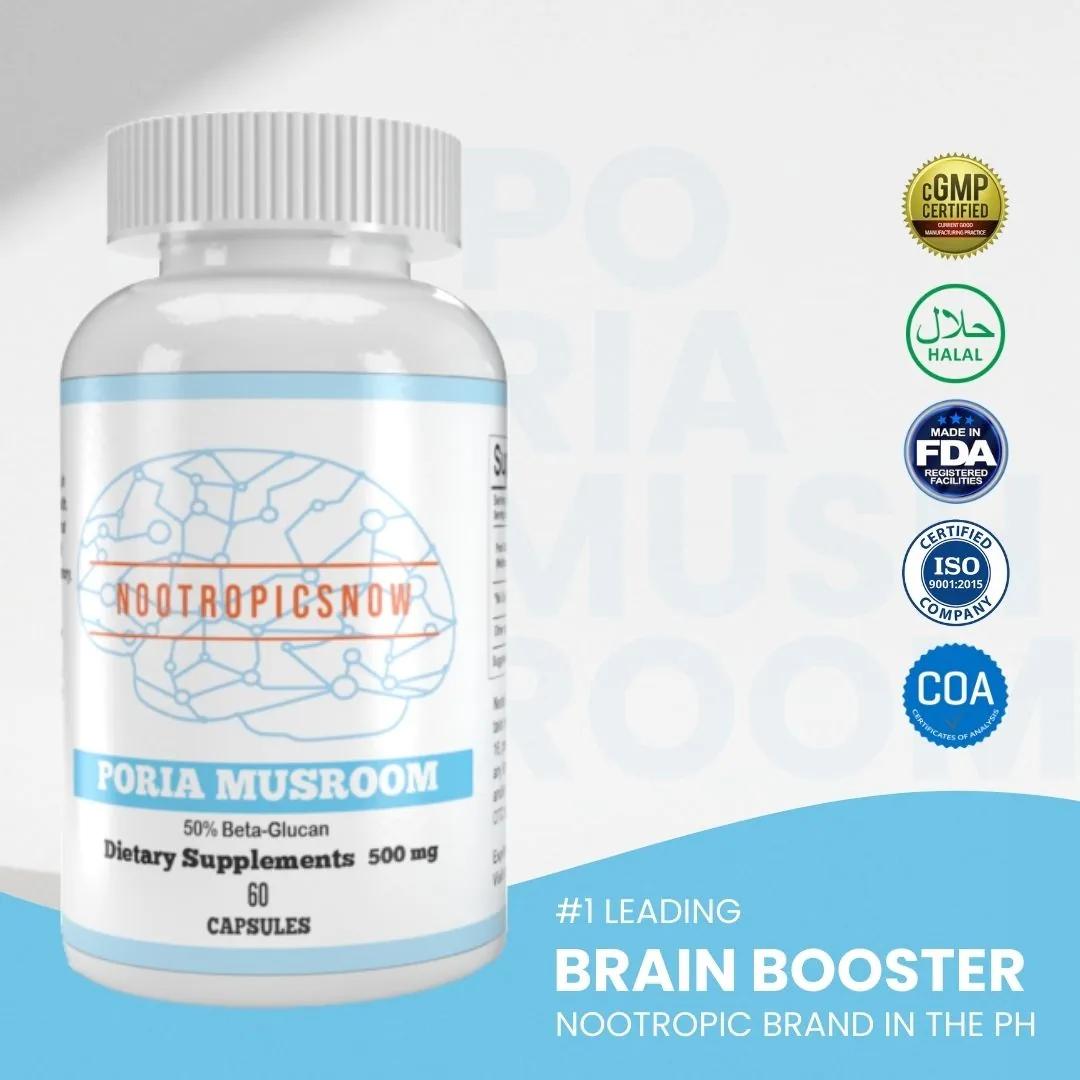
For readers in the Philippines shopping online, the practical checklist should include product details, serving size, and delivery within the Philippines before ordering. If you prefer to browse a related stress-support option while you compare sleep routines, poria mushroom is often positioned as a calming mushroom-based add-on for evening habits.
Is it better to take magnesium in the morning or at night?
For sleep-focused routines, magnesium is usually discussed as an evening supplement, especially when people want it to fit a consistent bedtime habit. 1
Can I take magnesium every night for sleep?
Many people build magnesium into a nightly routine, but it is smart to follow the product label and check with a clinician if you have health conditions or take other medicines. 3
How long before bed should I take magnesium?
A common practical approach is to take it as part of your wind-down period rather than at random times; consistency matters more than chasing a perfect minute. 1
What magnesium type is most popular for sleep?
Magnesium glycinate comes up often in sleep discussions, while other forms are compared based on serving size, tolerance, and routine fit. 34
Can magnesium help if my sleep is affected by phone use?
Magnesium is not a substitute for sleep hygiene; late-night smartphone use has been linked with worse sleep patterns, so reducing screen time can be part of the answer. 2
Can people in the Philippines buy magnesium supplements online safely?
Yes—check the product label, serving size, and shipping details carefully before ordering, and compare options in PHP so you know the true cost.
If you want a calming bedtime add-on to compare alongside magnesium, browse theanine options for a simple evening routine.
This article is for educational purposes only. It is not medical advice, not a substitute for professional consultation, and is not intended to diagnose, treat, cure, or prevent any disease.
Statements about dietary supplements have not been evaluated by the FDA. Individual results vary. Consult a licensed physician before starting any new supplement — especially if you are pregnant, breastfeeding, have a medical condition, or are taking prescription medication.
Quality and sourcing information is available on our quality page. Batch-level lab test data is available on request — contact support.
Last reviewed: 2026-07-23
Daniel P Cardinali, Gregory M Brown, Seithikurippu R Pandi-Perumal. Chronotherapy.. Handbook of clinical neurology (2021). https://pubmed.ncbi.nlm.nih.gov/34225975/
Ashish Goel, Arsalan Moinuddin, Rajesh Tiwari. Effect of Smartphone Use on Sleep in Undergraduate Medical Students: A Cross-Sectional Study.. Healthcare (Basel, Switzerland) (2023). https://pubmed.ncbi.nlm.nih.gov/37958035/
Amber N Edinoff, Natalie Wu, Yahya T Ghaffar. Zolpidem: Efficacy and Side Effects for Insomnia.. Health psychology research (2021). https://pubmed.ncbi.nlm.nih.gov/34746488/
Roger J Hart. Nutritional supplements and IVF: an evidence-based approach.. Reproductive biomedicine online (2024). https://pubmed.ncbi.nlm.nih.gov/38184959/
Cynthia Baker, Jessica B Kirby, Jack O'Connor. The Perceived Impact of Ashwagandha on Stress, Sleep Quality, Energy, and Mental Clarity for College Students: Qualitative Analysis of a Double-Blind Randomized Control Trial.. Journal of medicinal food (2022). https://pubmed.ncbi.nlm.nih.gov/35984870/