Starter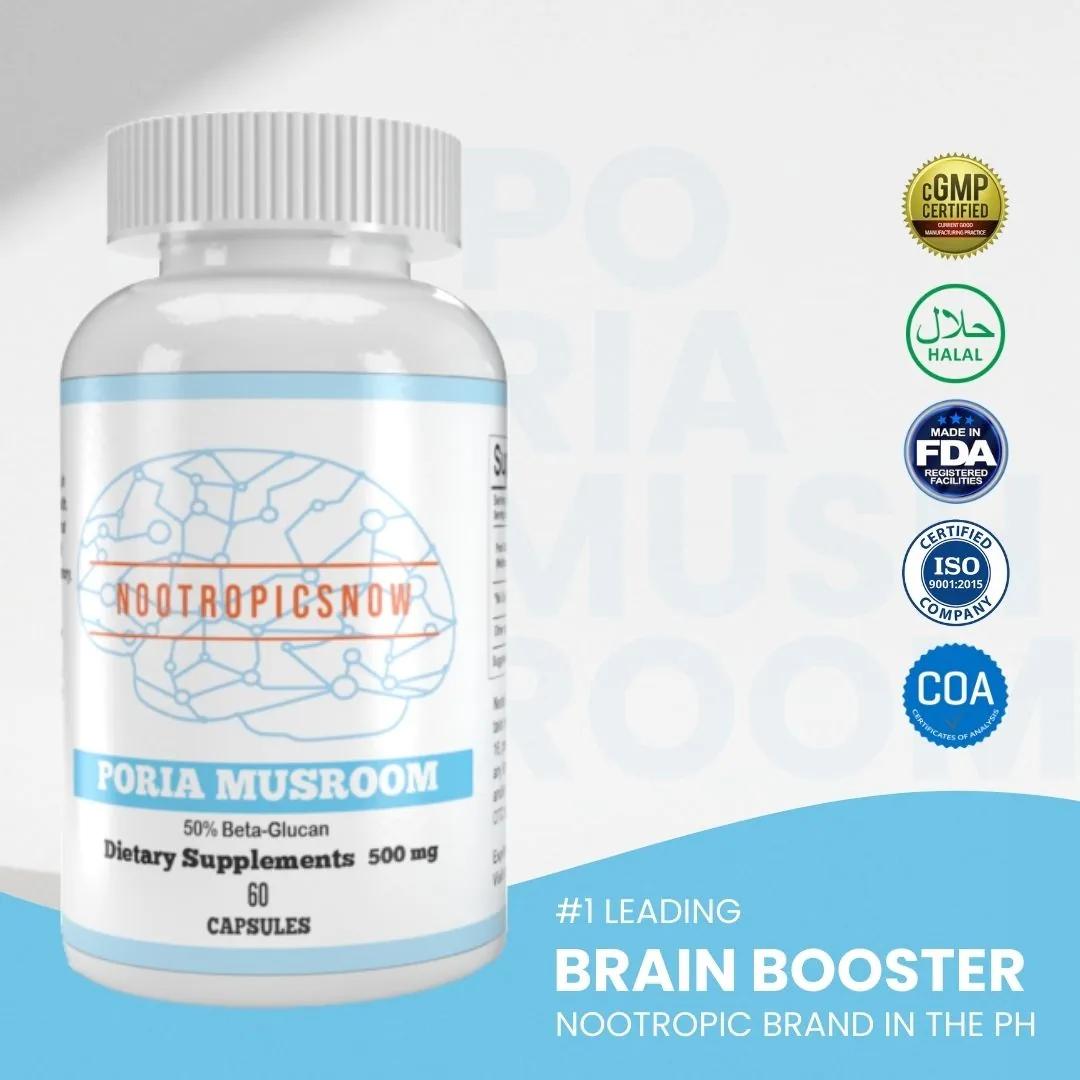
Sleep
Last reviewed July 23, 2026
Occasional emails. Unsubscribe anytime.
TL;DR
In the Philippines, shoppers comparing sleep supplements often want a simple yes-or-no answer, but the more useful answer is usually “it depends on the sleep problem.”
Sleep supplements are often used with the hope of making bedtime easier, reducing restlessness, or improving sleep quality, but they do not all work in the same way or for the same person.1 Some products are used off-label as sleep aids, and the evidence base is still uneven, especially when people assume that a popular ingredient must be broadly effective for everyone.2
A practical way to think about sleep supplements is by sleep goal. A person who mainly struggles to fall asleep may respond differently from someone who wakes up in the middle of the night or someone whose sleep is disrupted by stress and a racing mind. That matters because the “best” supplement is often the one that matches the pattern of the problem, not the one with the loudest marketing.2 When a product is sold as a calming aid, that does not automatically mean it will improve every sleep complaint.
This is also why evidence can look confusing. A supplement may have some support for one outcome, such as sleep onset, while showing less consistent value for sleep continuity or next-day alertness. The current literature also reminds us that sleep problems are common and can affect cognitive recovery, emotions, and overall quality of life, which is one reason people keep looking for simple tools.2 Still, the fact that a supplement is commonly used does not make it a sure answer.
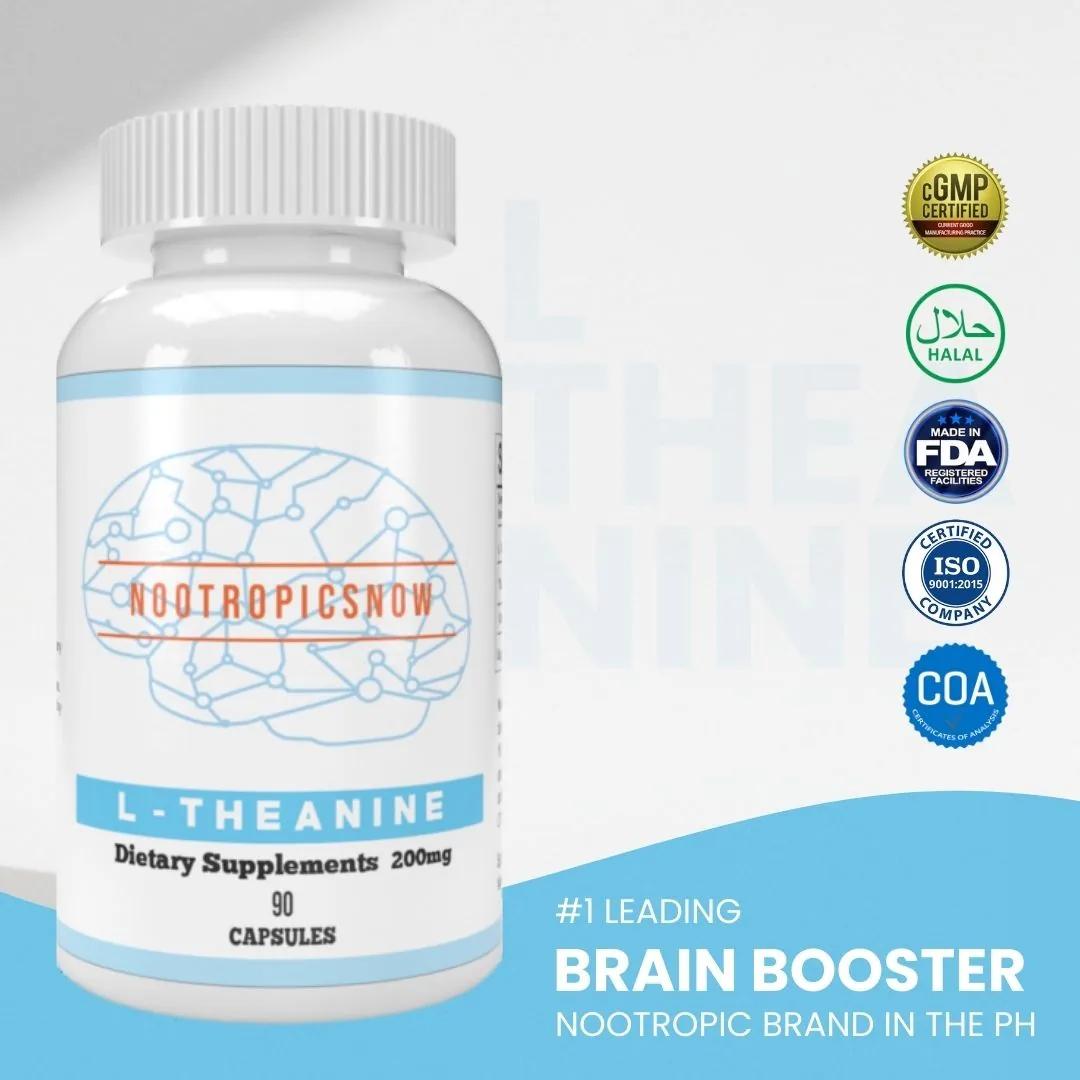
If you are building a routine around a calming amino acid, L-theanine is often discussed as a non-stimulant option for winding down. For readers comparing that category, theanine is the key ingredient to notice before looking at a product card.
The main point is not that sleep supplements never help. It is that they are usually better understood as narrow tools: useful for a specific sleep pattern, less impressive when the problem is more complex, and rarely enough on their own if the bedtime routine is chaotic.5
Melatonin is one of the most discussed sleep ingredients in both research and consumer searches.2 It is commonly used when the goal is to support sleep onset or to align bedtime with a more predictable routine. Even so, the evidence should be read carefully: the broad point is that melatonin is widely used and studied, not that it works equally well for every person or every sleep complaint.2
Other ingredients often appear in sleep supplement conversations too, including magnesium, L-theanine, tryptophan, 5-HTP, valerian, and chamomile. The issue is not whether these names show up on labels—they do—but whether the evidence for a given ingredient lines up with the goal a buyer actually has.2 If someone wants help falling asleep, that is a different question from helping with nighttime awakenings or with stress that keeps the nervous system turned on.
Because the evidence is not equally strong for all ingredients, cautious language matters. “May help,” “is commonly used,” and “is studied for” are more accurate than broad claims that a supplement “works” in a universal sense. That cautious framing is especially important for products sold as natural sleep aids, since “natural” does not guarantee better results or better tolerability.
For example, magnesium is often chosen by people who want a familiar, low-stimulant bedtime option. But the right question is whether the formulation and the person’s situation make sense together, not whether magnesium is automatically the best answer. The same logic applies to valerian, chamomile, or amino-acid-based formulas: they can be reasonable to explore, but the benefit is not guaranteed.
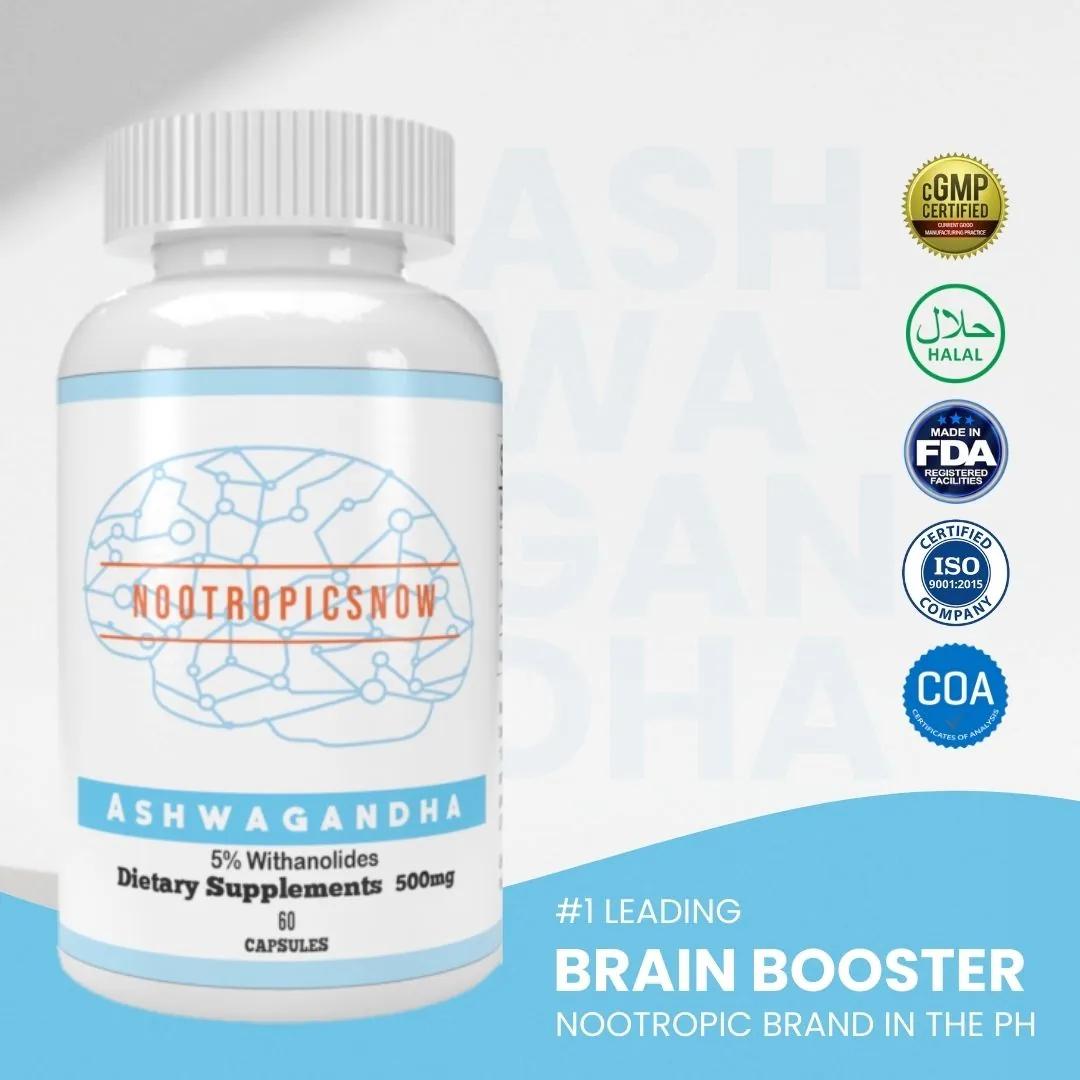
When stress is part of the picture, some readers compare broader calming products. Ashwagandha is sold as a stress-oriented option, and that positioning makes sense for people whose sleep trouble seems tied to tension rather than to a purely timing-based sleep issue. If that is the lane you are comparing, the stress angle matters before the brand name does. Catalog option: ashwagandha.
The broader takeaway is that ingredient popularity and ingredient fit are not the same thing. Melatonin may get the most attention, but the best match depends on the sleep complaint, the rest of the routine, and whether the person is trying to fall asleep, stay asleep, or calm down enough to transition into bedtime.2
Supplements sit inside a larger sleep ecosystem. Stress, daily routines, physical activity, and attitudes toward sleep all shape how well someone sleeps, which means a capsule or powder cannot carry the whole job by itself.34 Research on sleep quality and stress links chronic stress with poorer sleep quality, and physical activity is also associated with better sleep quality, including reduced sleep latency and circadian rhythm regulation.3
That matters because people often reach for supplements when their real problem is a schedule issue, late screen time, irregular bedtimes, or a stress load that never really drops. In those cases, a supplement may offer some support, but it is unlikely to compensate for a routine that keeps the brain alert into the night. Sleep attitudes also matter: when people value sleep and prioritize it, sleep hygiene tends to be better, which can make any supplement strategy more sensible.4
This is one reason sleep hygiene keeps showing up in conversations about supplements. Good sleep habits do not replace everything else, but they can make the difference between a product that seems slightly helpful and one that feels like a waste. If someone takes a calming product while still having a very inconsistent bedtime, the outcome can be disappointing even if the ingredient itself is reasonable.
Physical activity is another underappreciated lever. The evidence cited here links activity with better sleep quality and with lower sleep latency, so movement during the day may set up a better baseline for bedtime than adding more products ever will.3 For many readers, that means the first upgrade is not another bottle; it is a more consistent wake time, lighter evening stimulation, and enough daytime movement to build sleep pressure naturally.
Stress-heavy schedules also help explain why some people compare mushrooms or other calming products alongside more familiar ingredients. Poria mushroom is often positioned as a related stress-support option for people looking at a broader sleep routine. If the goal is to explore calming support rather than a stimulant-style product, mushroom is the cue to watch in the product name.
So if a supplement appears to help, that may reflect more than the ingredient itself. It may also reflect better timing, a calmer evening routine, more realistic expectations, or a reduction in stress load. In practice, that means supplement use and sleep hygiene work together better than either one does alone.45
People who are more likely to notice a benefit are often those whose sleep issue has a clear pattern. That can include stress-related restlessness, trouble winding down, or inconsistent routines that make bedtime feel unpredictable.65 In those situations, a calm-focused supplement may feel more relevant than it would for someone whose main issue is frequent awakenings from pain, breathing problems, or another underlying condition.
Sleep problems can also affect daytime functioning. Research on special operations forces personnel notes that inadequate sleep can lead to decrements in reaction time, memory, and other facets of cognition.7 That does not mean every supplement improves next-day performance, but it does explain why even small changes in sleep can matter to how a person feels and functions the following day.
Another group that may be more interested in sleep-support products is people working under high stress. An exploratory study of fever clinic nurses during closed-loop management linked high occupational stress and strict isolation with impaired sleep quality.6 That is not the same as saying a supplement will solve the issue, but it does show why stress-linked sleep concerns are such a common consumer search pattern.
The best fit, again, depends on the pattern. A person with bedtime anxiety may want a product with a calmer profile, while someone who mainly wants to nudge sleep timing may look more closely at melatonin-based options. A person who is comparing stress-support ingredients may also look at broader botanicals. That is where ashwagandha can be a relevant catalog option for readers who believe the main driver is tension rather than a pure sleep-timing issue. ashwagandha
The practical expectation should stay modest: some people notice a subtle improvement, some notice none, and some discover that the real gains come after they fix routines, bedtime consistency, or stress load. That variability is normal, and it is one reason sleep supplements should be approached as tools for a specific scenario rather than as a universal solution.52
Evidence for sleep supplements is not the same as evidence for prescription insomnia treatment.5 In clinical settings, chronic insomnia is still a condition that often needs structured assessment and a broader plan, especially when sleep problems are persistent or have a strong impact on daytime functioning.15 That does not mean every person needs a prescription. It does mean that recurring sleep trouble should not be handled forever by trial and error.
A cautious approach is to start with realistic expectations. The goal is usually better sleep quality, easier sleep onset, fewer awakenings, or less bedtime restlessness—not a dramatic transformation after one dose.2 It is also wise to pay attention to product quality, ingredient labels, and whether the ingredient actually matches the sleep goal. A product can be marketed as calming and still be a poor fit if the issue is not stress-related.
If you are comparing sleep products in the Philippine market, the same logic applies: local availability is useful only if the ingredient and the goal line up. Look for local Philippine shipping, read labels carefully, and avoid assuming that a popular supplement is automatically the right one for your sleep pattern.
Sleep supplements also sit best inside a broader plan. The combination of routine changes, sleep hygiene, and a realistic ingredient choice is more sensible than expecting a single capsule to do all the work.45 If sleep remains poor despite those changes, a clinical evaluation becomes more important than continuing to rotate through different bottles.
Do supplements work for sleep?
Sometimes, but not reliably for everyone. The evidence suggests that some ingredients may help certain sleep problems, especially when the issue is stress, sleep onset, or sleep routine, but results vary.2
Which sleep supplement gets the most attention?
Melatonin is one of the most frequently discussed ingredients, but magnesium, L-theanine, tryptophan, and valerian are also common in sleep supplement searches.2
Can supplements help if stress is keeping me awake?
They may be more relevant when stress is part of the sleep problem, but they work best as part of a broader routine that also supports sleep hygiene.34
Are sleep supplements a replacement for better sleep habits?
No. Sleep attitudes, sleep hygiene, and daily routines still matter, and supplements are best used as a support tool rather than the whole plan.4
Can people in the Philippines find sleep supplements online?
Yes, many shoppers look for sleep support products online, but the key is choosing a product that matches the sleep goal and checking the product details carefully.
When should I be cautious about relying on supplements?
If sleep issues are persistent, affect daytime functioning, or do not improve with basic routine changes, it is better to get a proper evaluation instead of continuing to self-manage indefinitely.5
In short, sleep supplements can be useful, but their value is usually specific, modest, and highly dependent on the reason sleep is off in the first place. When the goal is calmer bedtime support, theanine is one of the cleaner places to start. l-theanine-philippines
This article is for educational purposes only. It is not medical advice, not a substitute for professional consultation, and is not intended to diagnose, treat, cure, or prevent any disease.
Statements about dietary supplements have not been evaluated by the FDA. Individual results vary. Consult a licensed physician before starting any new supplement — especially if you are pregnant, breastfeeding, have a medical condition, or are taking prescription medication.
Quality and sourcing information is available on our quality page. Batch-level lab test data is available on request — contact support.
Last reviewed: 2026-07-23
Xu X, Wang Y, Ye S. The effect of enhanced external counterpulsation on sleep quality and quality of life in patients with chronic insomnia: study protocol for a randomized controlled trial.. (2026). https://pubmed.ncbi.nlm.nih.gov/42343282/
Gharooee Ahangar S, Hasanpour M, Fatahian R. Trazodone, melatonin, and combination therapy for insomnia, fatigue, and daytime sleepiness following traumatic brain injury: study protocol for a randomized clinical trial.. (2026). https://pubmed.ncbi.nlm.nih.gov/42163386/
Vats H, Rai RH, Zaki S. A mediation model of physical activity levels and cardiorespiratory fitness: The role of sleep quality and stress. (2026). https://doi.org/10.21203/rs.3.rs-10019496/v1
Alvarado G, Palmer CA.. Sleep Attitudes Are Associated with Adolescent Sleep Hygiene and Sleep Health.. (2026). https://pubmed.ncbi.nlm.nih.gov/41931271/
Gutierrez G, Chowdhary A, Hartogensis W. Outcomes from a combined cognitive behavioral therapy for insomnia (CBT-I) and sleep-related medication and substance use reduction treatment.. (2026). https://pubmed.ncbi.nlm.nih.gov/41370949/
Wang F, Hu Y, Wei D. Sleep Quality and Influencing Factors of Nurses in Fever Clinics During Closed-Loop Management: An Exploratory Mixed-Methods Study.. (2026). https://pubmed.ncbi.nlm.nih.gov/42278760/
Corry DT, Kiefer AW, Benedict BA. Self-Reported Sleep Quality and Cognitive Performance in Special Operations Forces Personnel.. (2026). https://pubmed.ncbi.nlm.nih.gov/42378457/