Starter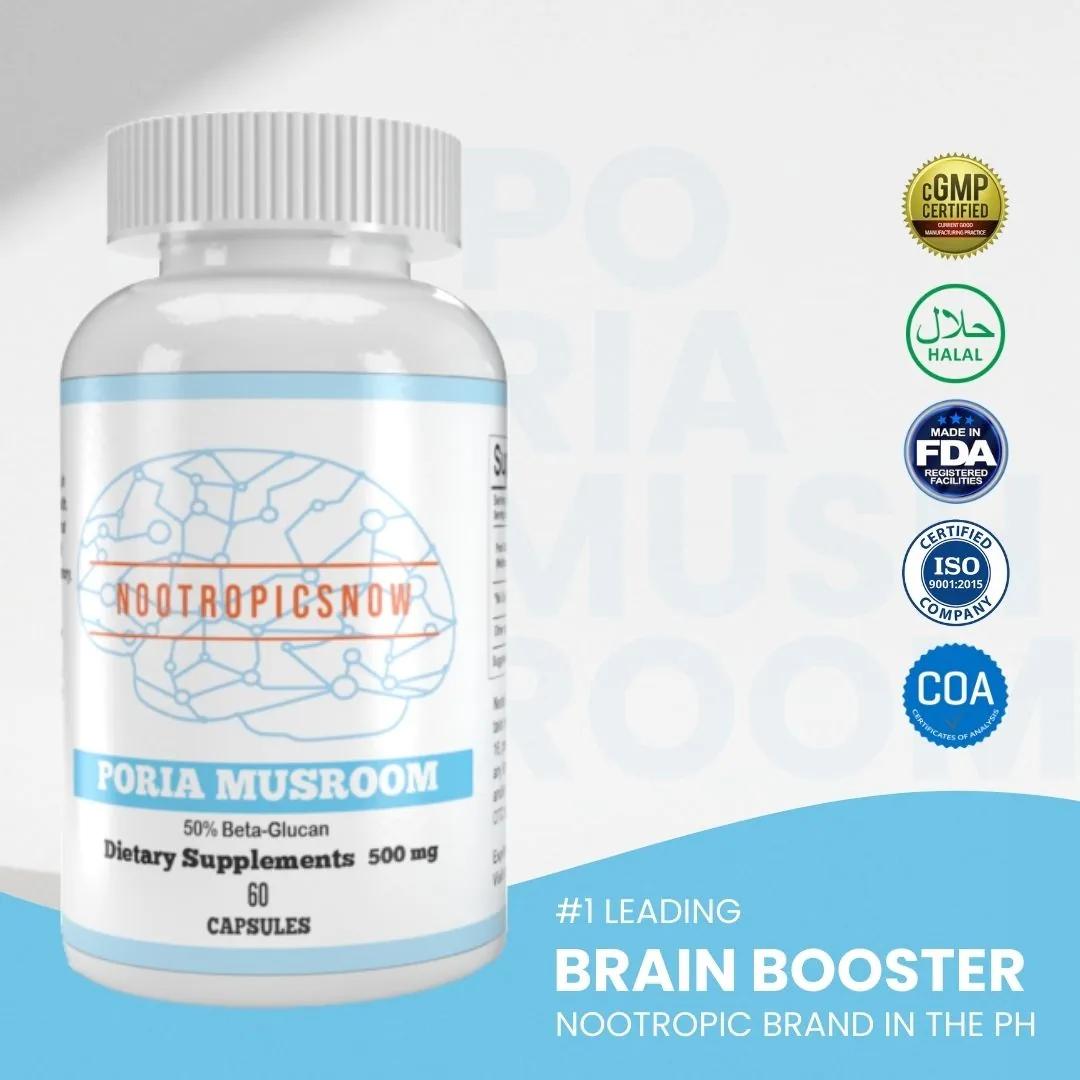
Sleep
Last reviewed July 23, 2026
Occasional emails. Unsubscribe anytime.
TL;DR
In the Philippines, shoppers looking at GABA for sleep usually want a simple way to support a calmer bedtime routine without overcomplicating the stack.
GABA is commonly discussed as a sleep-focused supplement because it is positioned around relaxation and bedtime use, not because it is a universal solution for insomnia.1 In practical terms, people often reach for it when their sleep issue feels like trouble falling asleep, waking too early, or having a bedtime routine that does not feel settled.1
That framing matters. Insomnia is a broad pattern that can involve difficulty initiating sleep, maintaining sleep, or waking up too early in the morning, and those patterns do not always have the same cause or the same best strategy.1 A supplement may fit one person’s routine and be irrelevant for another. So when people ask how to take GABA supplement for sleep, the more useful question is often whether GABA matches the specific sleep pattern they are trying to manage.
It also helps to keep the language cautious. GABA is a supplement people try for sleep support; it is not something to assume will work the same way every time. That is especially important if your sleep problems are persistent, because longer-lasting insomnia patterns deserve a broader look at stress, schedule, light exposure, and other health factors.1
Timing is one of the most important parts of any sleep supplement routine. Chronotherapy is built around the idea of optimizing treatments according to the body’s circadian rhythms, which is why bedtime timing matters so much in sleep-adjacent decisions.2 In simple terms, the question is not only what you take, but when you take it relative to sleep.
That idea also fits what we know about evening habits. Nighttime smartphone use has been associated with disrupted sleep-wake rhythm patterns and excessive daytime tiredness, so a supplement is usually more sensible when it is paired with a quieter pre-bed environment rather than used as a stand-alone fix.4 If your bedtime routine still includes bright screens, stimulation, or inconsistent sleep timing, you may have trouble judging whether GABA is doing anything useful.
For that reason, people often get better signal from a simple routine: lower light, fewer interruptions, and the same approximate bedtime each night. Then the supplement becomes one variable inside a larger pattern. That approach is more useful than taking GABA randomly and hoping to notice a clear effect. It also makes it easier to compare GABA with other options later, because you are keeping the rest of the routine stable.
The most careful way to start is to use the lowest serving listed on the product label and take it consistently before bed rather than changing the schedule from night to night.1 Product formulas vary, so the label is the first practical guide. If you are unsure whether to take it with food or on an empty stomach, consistency matters more at the start than trying to optimize every detail.
A steady schedule helps you answer the real question: does this ingredient fit my bedtime routine? Taking it at the same point each evening gives you a better sense of how it feels across several nights. If you change the dose, the timing, and the surrounding routine all at once, it becomes hard to tell what mattered.
For some readers, the goal is not to chase a dramatic effect but to build a calmer sleep routine. In that context, GABA can function as one piece of a broader bedtime stack, especially if the rest of the routine is already simple and repetitive. If you are comparing a GABA product with another calming ingredient, the choice often comes down to whether you want something closer to relaxation support or something aimed more at sleep timing.21
Any sleep supplement should be reviewed in the context of your overall health, current medications, and sleep pattern.1 That caution is especially relevant if you already take other bedtime products or have a complex sleep history. The more moving parts you have, the more important it is to avoid stacking several new things at once.
It is also reasonable to stop and reassess if a product leaves you feeling off or simply does not fit your routine.5 Sleep supplementation works best when the feedback loop is honest: if the supplement does not seem useful after a fair trial, there is no advantage in forcing it into the routine. Instead, step back and look at the full picture, including screen habits, bedtime consistency, and whether the issue is actually sleep timing rather than relaxation.
Some shoppers compare GABA with other calming ingredients because they want a gentler evening stack. Ashwagandha, for example, has been explored in relation to stress, sleep quality, energy, and mental clarity, which is why it often appears in shopping comparisons for people whose sleep feels stress-linked rather than purely schedule-linked.3 That does not mean it is automatically the better option; it simply means the comparison is reasonable when stress is part of the story.
If your routine is already complicated, a simpler approach is often easier to evaluate. One ingredient, one schedule, and a consistent pre-bed environment gives you cleaner feedback than a crowded stack with overlapping goals.
People comparing bedtime supplements often put GABA next to melatonin or other calming ingredients marketed for stress and sleep support. That comparison makes sense because the practical goal may not be “more sleep” in the abstract, but rather a better bedtime transition, better sleep timing, or less mental friction at night.25
Melatonin is often discussed in relation to sleep timing, while other ingredients may be more about relaxation or stress-related winding down. Chronotherapy is a reminder that timing itself can matter in sleep, so a product aimed at rhythm support may fit differently from one aimed at calmness.2 If your main issue is that your sleep schedule is drifting late, GABA may not be the first thing to prioritize. If your main issue is that you feel tense and cannot settle, then a calming ingredient may be more relevant.
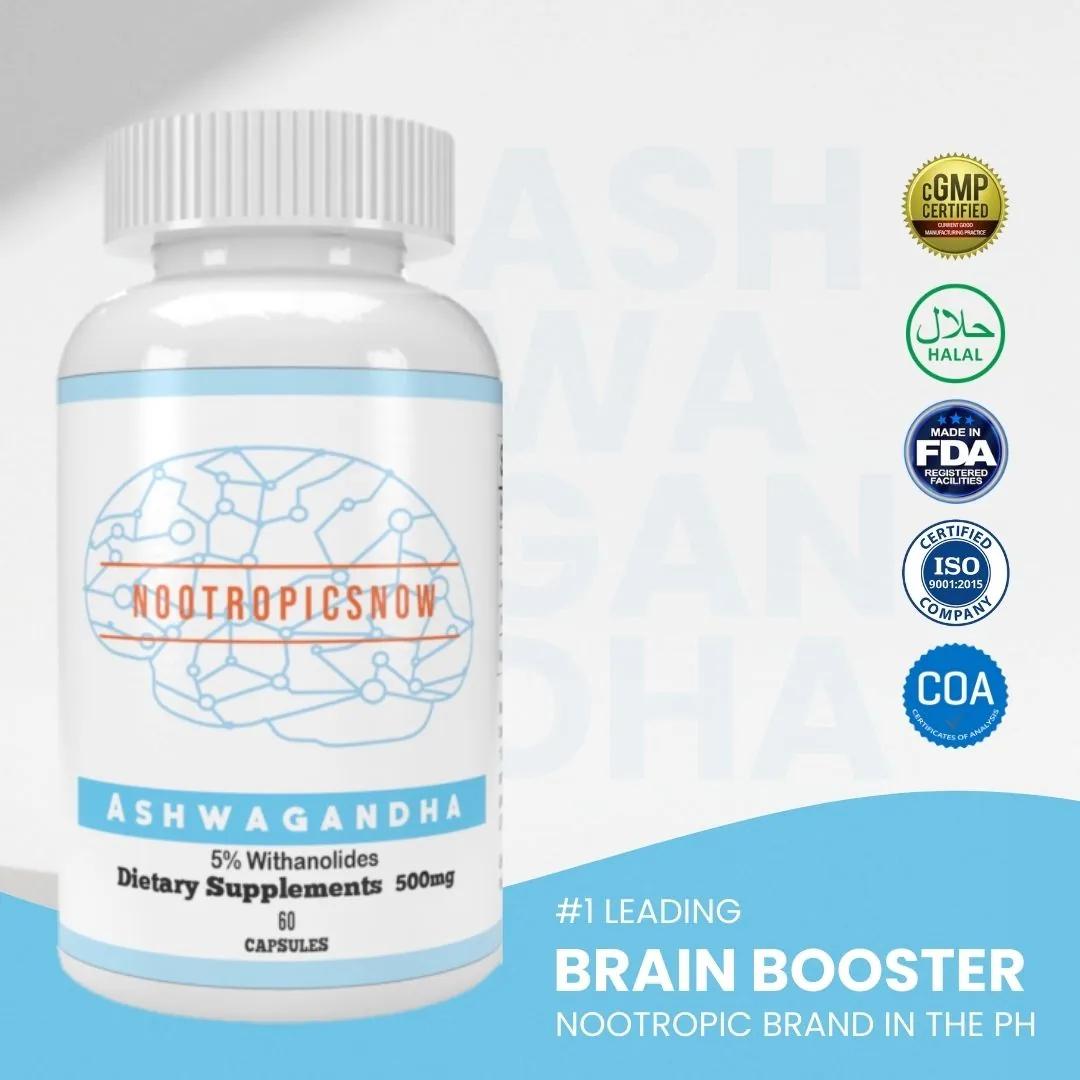
Ashwagandha is a common comparison because it has been studied in contexts related to stress and sleep quality, and it is often marketed for people who want a calmer evening profile rather than a stimulant-like effect.3 For some shoppers, that makes it a sensible alternative to consider alongside GABA. If you want to compare stress-oriented bedtime options, ashwagandha is one common route.
Another related category is mushroom-based calming products. They are usually positioned differently from direct sleep timing aids, but they may appeal to readers who want a gentler evening stack and prefer formulas that feel less singularly “sleep pill” in style. For shoppers exploring a broader relaxing stack, poria mushroom is one example of a product often grouped with calm-evening routines.
If your sleep problems are persistent, severe, or layered with other health issues, it makes sense to review the situation with a healthcare professional rather than escalating supplement use on your own.1 Sleep symptoms can reflect stress, schedule problems, medication effects, or other conditions, and a supplement alone may not address the actual driver.
Caution is also sensible if you are already taking multiple products at night. Even when each item seems mild on its own, the overall routine can become hard to interpret. That is one reason many people do better with a simple trial period: one ingredient, one bedtime window, and close attention to how you feel the next day.
In practice, the question is not whether a sleep supplement is “good” in the abstract. It is whether it fits your pattern. If your issue is waking too early, that may point you toward a different kind of support than if you mainly struggle to unwind. If your sleep difficulty is tied to a schedule problem, the first fix may be routine timing rather than another capsule.12
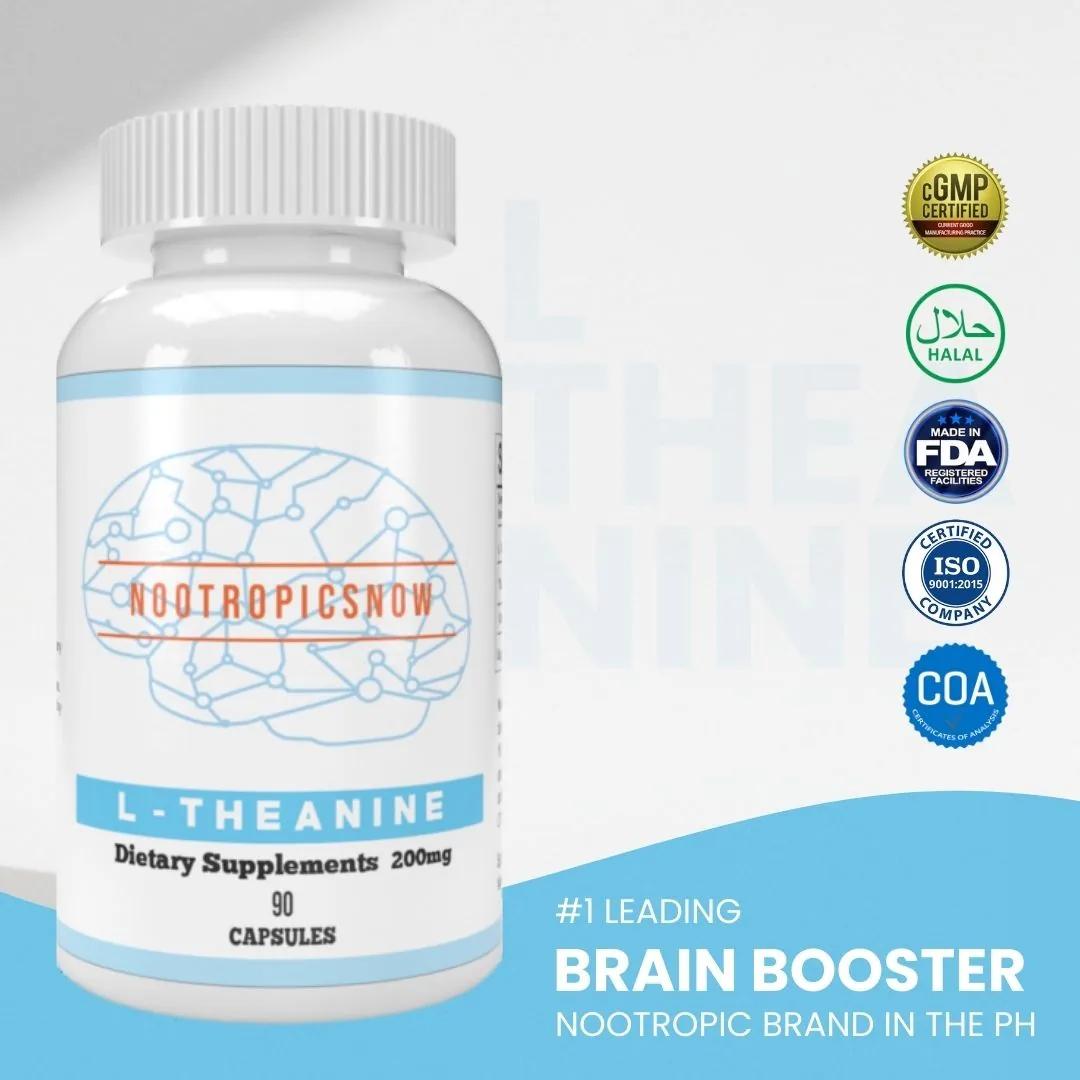
A calmer bedtime stack does not have to be complicated. Many shoppers compare products that are positioned for stress and sleep support, then choose the one that best matches their bedtime routine and tolerance for simplicity.35 If you prefer a more straightforward option to compare against GABA, L-theanine is often marketed as a calming ingredient for night use and general relaxation.
That makes L-theanine a practical reference point for readers who want a product centered on calm rather than stimulation. Theanine-based options are often considered when the evening goal is to settle the mind and keep the stack light.
The same logic applies when comparing different product formats. Some people prefer a single-ingredient approach because it is easier to evaluate. Others want to build around a broader routine that includes wind-down habits, lighting changes, and a calmer pre-bed environment. If you are in the Philippines and shopping locally, it is worth checking availability, local Philippine shipping, and whether the label matches the routine you actually plan to follow.
Some shoppers compare the two because they are both used in bedtime routines, but the better choice depends on whether your main issue is sleep timing, relaxation, or both.25
Use the product label as your first guide, since formulas differ. If you are unsure, keep the routine consistent so you can judge your response over several nights.1
Bedtime timing matters, so take it as part of a regular wind-down routine and keep the timing consistent night to night.2
Yes, but shoppers should still check product details, local Philippine shipping, and the fit with their own bedtime routine before buying.
Sleep issues can have many drivers, including schedule, stress, and screen habits, so it may be worth reassessing the full routine instead of only changing the supplement.41
For readers who want a calmer alternative to compare against GABA, L-theanine is a sensible place to start. l-theanine-philippines
This article is for educational purposes only. It is not medical advice, not a substitute for professional consultation, and is not intended to diagnose, treat, cure, or prevent any disease.
Statements about dietary supplements have not been evaluated by the FDA. Individual results vary. Consult a licensed physician before starting any new supplement — especially if you are pregnant, breastfeeding, have a medical condition, or are taking prescription medication.
Quality and sourcing information is available on our quality page. Batch-level lab test data is available on request — contact support.
Last reviewed: 2026-07-23
Amber N Edinoff, Natalie Wu, Yahya T Ghaffar. Zolpidem: Efficacy and Side Effects for Insomnia.. Health psychology research (2021). https://pubmed.ncbi.nlm.nih.gov/34746488/
Daniel P Cardinali, Gregory M Brown, Seithikurippu R Pandi-Perumal. Chronotherapy.. Handbook of clinical neurology (2021). https://pubmed.ncbi.nlm.nih.gov/34225975/
Cynthia Baker, Jessica B Kirby, Jack O'Connor. The Perceived Impact of Ashwagandha on Stress, Sleep Quality, Energy, and Mental Clarity for College Students: Qualitative Analysis of a Double-Blind Randomized Control Trial.. Journal of medicinal food (2022). https://pubmed.ncbi.nlm.nih.gov/35984870/
Ashish Goel, Arsalan Moinuddin, Rajesh Tiwari. Effect of Smartphone Use on Sleep in Undergraduate Medical Students: A Cross-Sectional Study.. Healthcare (Basel, Switzerland) (2023). https://pubmed.ncbi.nlm.nih.gov/37958035/
Roger J Hart. Nutritional supplements and IVF: an evidence-based approach.. Reproductive biomedicine online (2024). https://pubmed.ncbi.nlm.nih.gov/38184959/