Starter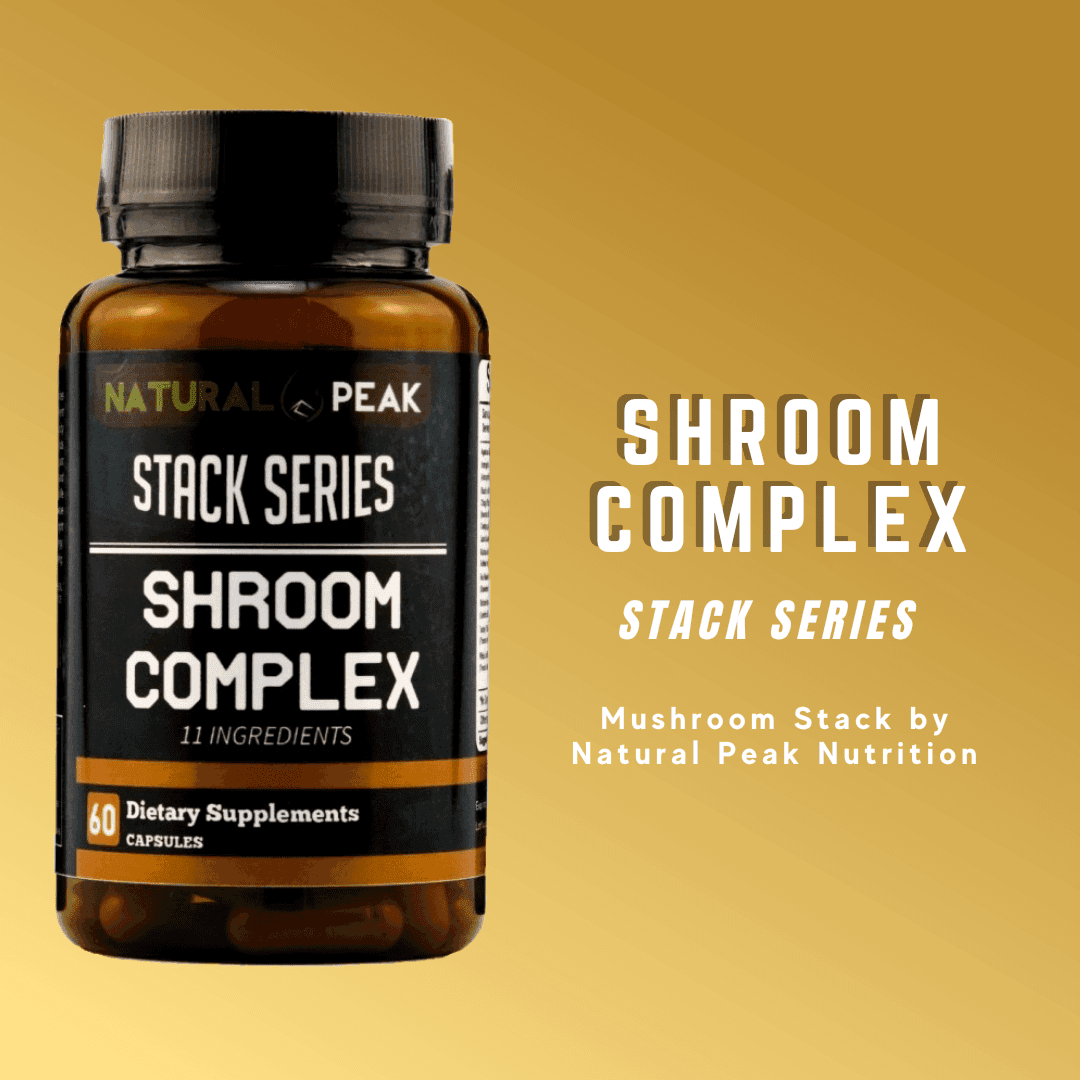
Energy
Last reviewed July 23, 2026
Occasional emails. Unsubscribe anytime.
TL;DR
In the Philippines, shoppers comparing natural energy drinks often want something that feels lighter than a heavily engineered formula but still fits work, study, or training days.
A practical way to think about a natural energy drink is that it leans on recognizable ingredients and avoids the “chemical taste” impression many people associate with ultra-processed drinks. That does not mean every bottle has to be simple; it means the formula should be easy to understand at a glance and easy to repeat in real life.
For many readers, the main question is where the lift comes from. Coffee, tea, and yerba mate are familiar examples of natural caffeine sources, and plant-based routines are often chosen by shoppers who want a more straightforward ingredient profile.2 A lighter feel can also come from lower sugar and fewer stimulants, not just from the source of caffeine itself.
Hydration is a bigger part of the picture than many labels imply. During exercise in the heat, body water loss through sweating is a natural consequence, and that fluid loss can affect aerobic performance and how energetic you feel.1 So if you are using a drink around training, the best choice may be the one that helps you stay hydrated, not the one that hits hardest.
The result is that “natural” is not one single style. Some shoppers want a quick lift; others want a steadier profile; others want a drink that fits into a workout routine without feeling too aggressive. Those are different goals, and they deserve different label choices.
Start with the caffeine source. If you can tell whether the drink uses coffee, tea, yerba mate, or another named source, you are already ahead of many vague “energy blend” products. A short, readable ingredient list usually makes it easier to estimate how the drink will feel.
Sugar is the next obvious filter. If you are sensitive to sweetness or try to keep daily sugar intake lower, look for low sugar energy drinks or drinks with little to no added sugar. That does not automatically make them better, but it can make them easier to use regularly if you do not want a sweet crash-and-burn profile.
For workouts, think beyond stimulation. Because exercise under heat stress raises the importance of fluid balance, a drink that supports hydration may be more practical than a formula built mostly around excitement.1 If the label reads like a stimulant stack but offers little fluid or electrolyte support, it may not be the best match for training.
You can also use the label to judge tolerance. If you usually dislike jittery drinks, a smaller caffeine dose or a gentler source may fit better than a high-stimulant blend. If you want something for mornings, a formula that you can drink consistently matters more than one that feels impressive once and miserable later.
A simple framework works well: identify the caffeine source, check the sweetness, then ask whether the drink solves your real problem. If the answer is “I need hydration plus a moderate lift,” that points you in a different direction than “I just want the strongest possible buzz.”
Coffee and tea are still the easiest entry points for people looking for natural caffeine drinks. They are familiar, easy to explain, and often easier to tolerate than a long list of added stimulants. In practice, these drinks appeal to readers who want something closer to a beverage than a supplement shot.
Yerba mate shows up often in natural energy drink lists because it fits the plant-based positioning many shoppers want. Plant-based diets are widely discussed for their health and environmental context, and athletes sometimes look for plant-forward options that feel compatible with daily routines.2 Yerba mate is not the only option, but it fits the broader trend toward recognizable botanical sources.
Some shoppers also look at mushroom ingredients. That interest is not just about taste; it is often tied to the idea of plant-based energy boosters and a gentler-feeling routine. Research on mushroom-derived compounds is still very ingredient-specific, so it is better to think of mushrooms as a category with different functions rather than as one universal energy solution.34
Astaxanthin is another example of a natural compound people sometimes see in energy-adjacent products. In exercise-fatigue research, astaxanthin has been studied for anti-inflammatory and antioxidant properties and for effects on fatigue and recovery in a rat model.4 That does not make it a substitute for caffeine, but it shows why some formulas blend “energy” with broader recovery positioning.
One more point: “natural” is not a guarantee of a better feel. A formula can be plant-based and still be too intense, too sweet, or too busy. The ingredient list has to make sense together, not just sound wholesome.
Tea-based drinks usually appeal to readers who want a lighter caffeine profile. They can fit mornings, long desk days, or situations where you want alertness without a heavy edge. Tea-based options also tend to be easier to pair with food and hydration.
Coffee-based drinks are the most familiar to many people. They are often the easiest natural caffeine source to find, and they map well to a routine you already understand. If you want predictability, coffee-based drinks are usually the simplest style to evaluate.
Yerba mate drinks are often chosen by shoppers who want a more plant-forward profile. They can feel like a middle ground between “traditional energy drink” and “botanical beverage,” which is why they show up frequently in healthy energy drink options roundups.
Hydration-first products are worth comparing when fatigue may actually be about sweat loss, heat, or long activity rather than lack of stimulation. The exercise-in-heat literature is clear that thermoregulation and fluid balance matter for performance, so a drink that supports those needs may be more useful than a purely stimulant-heavy option.1
If you want a cleaner choice, ask which style best matches your day. A tea-based drink may be better for focus, a coffee-based drink may be better for habit-building, a yerba mate drink may fit a plant-forward mindset, and a hydration-first option may be the right answer when physical effort is the main issue.
The first red flag is a label that tries to do too much. Long lists of flavor systems, sweeteners, and extra stimulants can make it hard to know what is actually driving the effect. That is especially important if you are sensitive to caffeine or if you want to use the drink daily.
Another warning sign is a formula that feels strong but leaves you flat later. That pattern often means the product is tuned for impact rather than repeat use. For many people, the “best” product is the one that feels consistent on ordinary weekdays, not the one that overdelivers once and then becomes unpleasant.
Also watch for drinks that ignore hydration completely. If the context is exercise, long commutes, or hot-weather activity, water and electrolyte status can matter as much as the energy ingredient itself.1 A stimulant-only product may feel exciting, but that does not automatically make it the smartest fit.
It is also reasonable to be cautious with vague marketing language. If a can says “clean energy” but does not tell you the source of the caffeine or the amount of sweetness, the label is asking for trust without giving you much to evaluate. In a crowded market, clarity is the safer signal.
For study or desk work, many people do best with a moderate caffeine drink that does not feel harsh. A tea-based or coffee-based option can be easier to repeat than a formula loaded with extras. The goal is usually stable alertness, not a dramatic spike.
For exercise, think first about hydration and second about stimulation. Because fluid loss during heat and prolonged activity can affect aerobic performance, drinks that support hydration can be more practical than drinks that simply feel strong.1 If you already use water or electrolytes during training, a natural energy drink may be the add-on rather than the main event.
For morning routines, simple is often better. A clear caffeine source and a label you understand at a glance make it easier to stay consistent. If the drink is part of a commute or a school-day rhythm, convenience matters as much as ingredient quality.
If you want less stimulation, prioritize ingredient simplicity and lower sweetness over trendy branding. That usually points you toward tea, coffee, or a lighter plant-based option rather than an aggressively marketed blend.
A useful way to compare products is by asking three questions: How much caffeine is in it? How sweet is it? Does it support hydration if I need it to? Those questions are practical because they map to the reasons people actually use the drink.
For shoppers who want a broader formula rather than a single-ingredient drink, Natural Peak Nutrition’s mushroom stack is a reasonable comparison point. Its broader positioning makes sense if you are looking for a more complex natural formula, and the nutrition angle can appeal to readers who want to compare mushroom-based energy options with fuller ingredient lists.
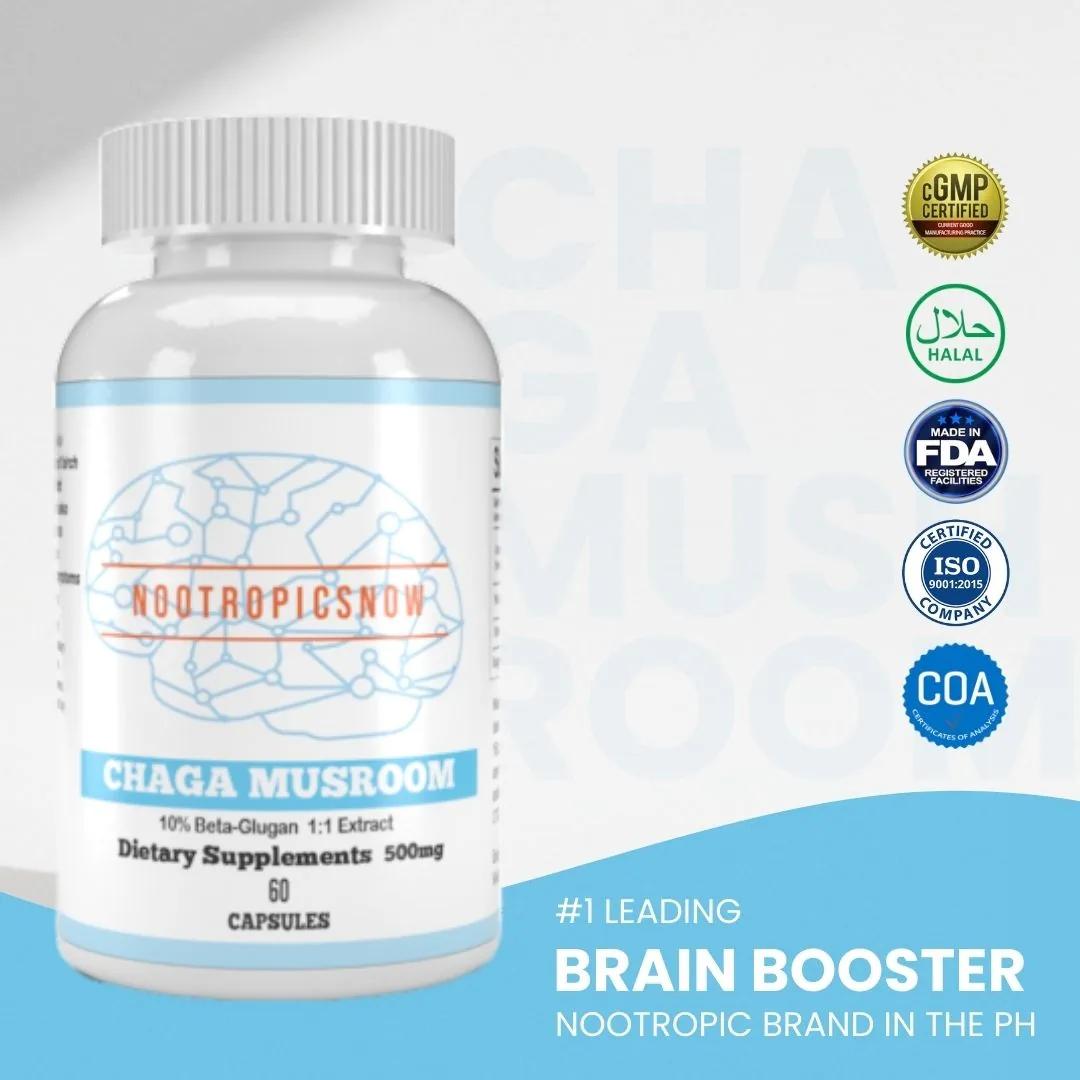
If you want something simpler, chaga is a common mushroom name to look for in energy-oriented supplement conversations. It is often compared by shoppers who prefer a straightforward mushroom product rather than a multi-ingredient stack, especially when they want a cleaner label and less complexity.
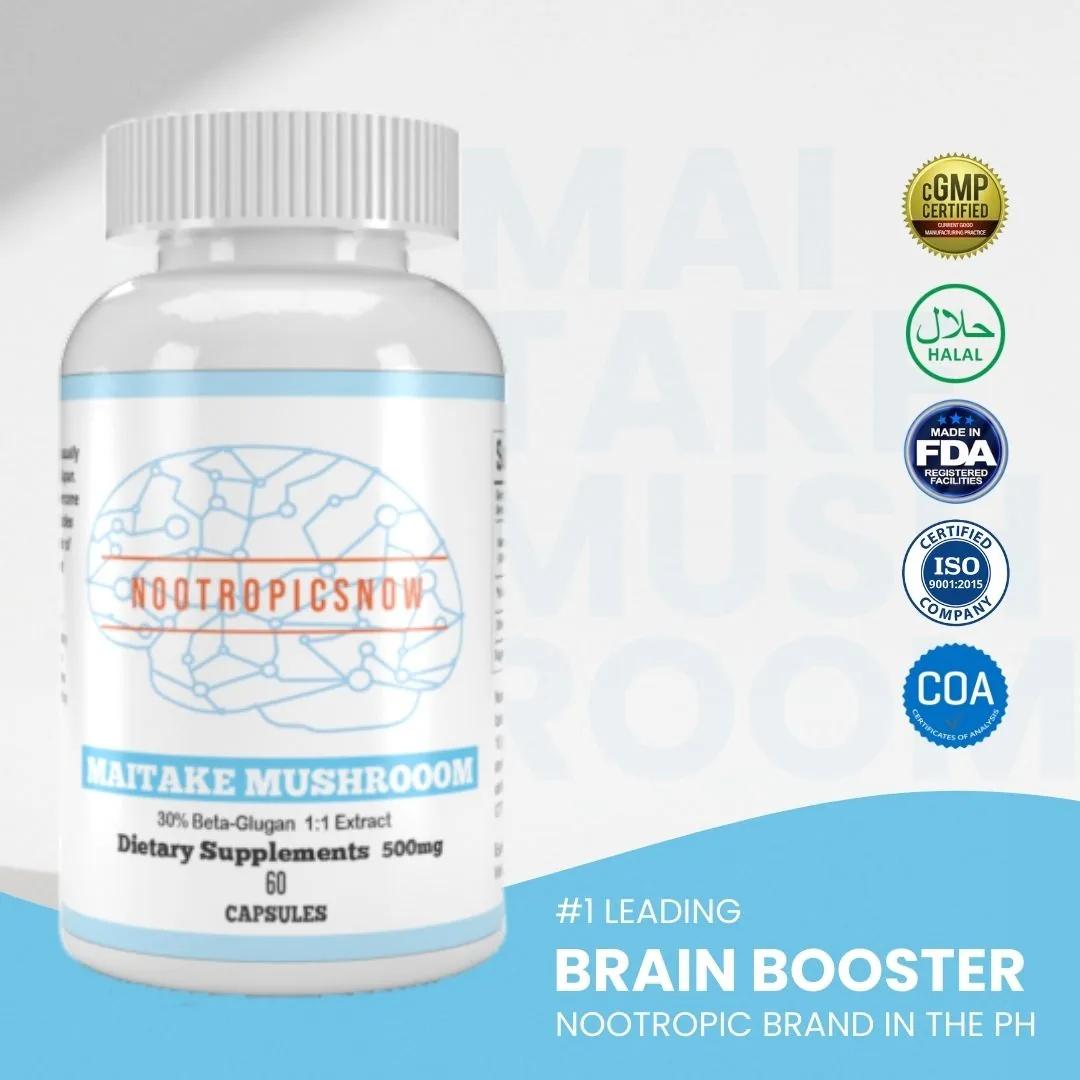
Maitake is another mushroom that shows up in natural energy routines, especially when people are exploring plant-based comparisons and want to see how one mushroom supplement differs from another.
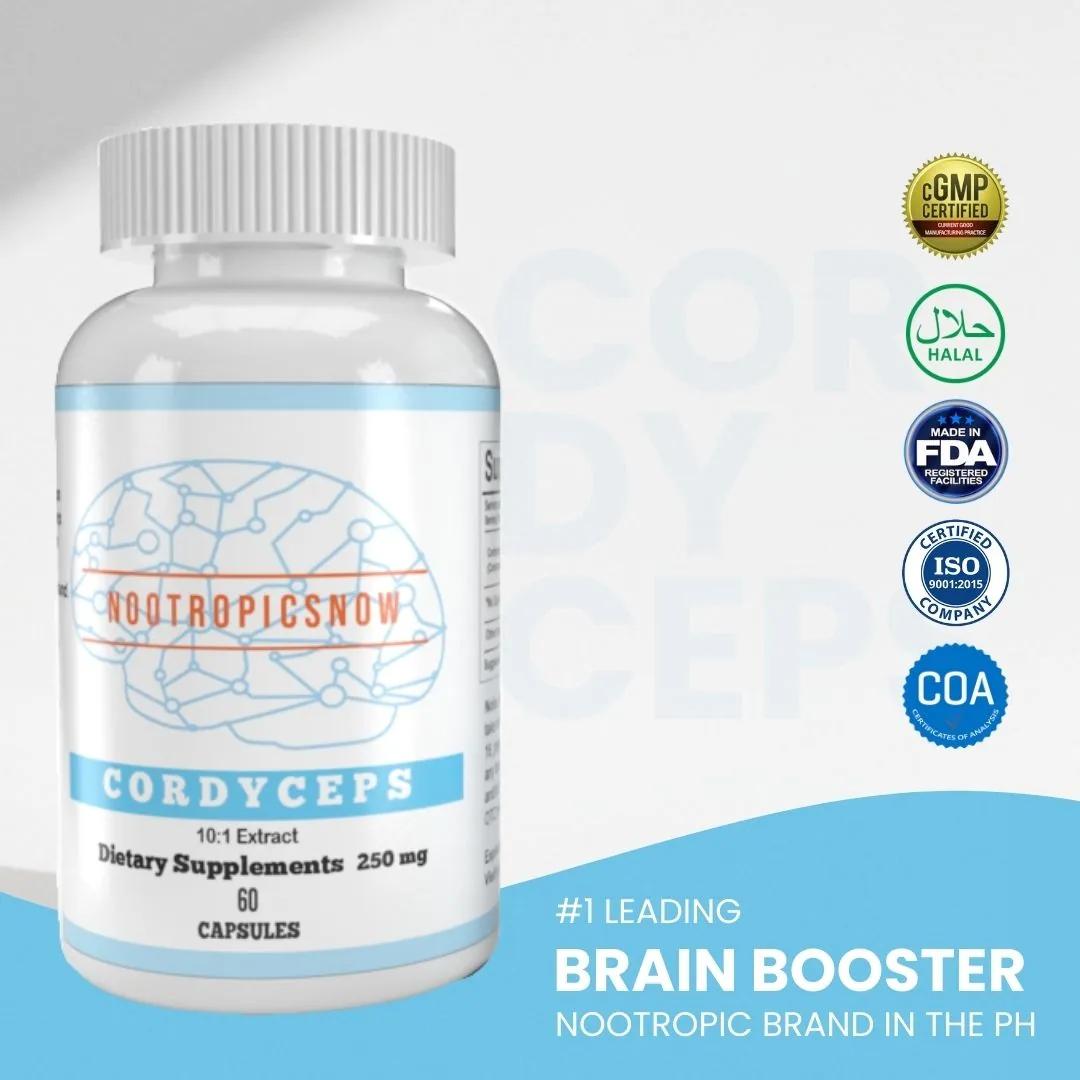
Cordyceps is the most obvious fit if you want an energy-focused mushroom product with a recovery-friendly angle, and the cordyceps category is often the first place people look when they want a mushroom-based routine that feels more performance-oriented.
The word “natural” can be useful, but only if you translate it into specifics. Does the drink use a named caffeine source? Is the sweetener level modest? Does it fit hydration needs? Those questions matter more than the label aesthetic.
Mushroom-based products, for example, often sit at the intersection of energy, recovery, and general wellness. Research on compounds such as astaxanthin and oleuropein shows why brands like to connect natural ingredients with energy metabolism, fatigue, and recovery language, but the evidence is ingredient-specific and not interchangeable across the category.43
That is why the best natural energy drinks are usually the ones that are honest about what they do. A coffee-based beverage should look like a coffee-based beverage. A hydration-first formula should look like something meant to help you keep up fluid balance. A mushroom blend should be judged as a mushroom blend, not as a magic shortcut.
If you keep that lens, the label becomes much easier to interpret. You are not chasing the most exciting promise; you are choosing the formula that matches your day.
What is the best natural energy drink for everyday use?
The best everyday option is usually the one with a clear caffeine source, a short ingredient list, and a sweetness level you can tolerate consistently.
Are natural energy drinks better than regular energy drinks?
It depends on your goal. Many shoppers prefer natural-style drinks for ingredient simplicity, while others care more about taste, caffeine level, or hydration.
Can I find the best natural energy drinks in the Philippines without artificial sweeteners?
Yes. A practical approach is to compare labels for caffeine source, sugar content, and ingredient simplicity before buying.
Do natural energy drinks need to be caffeine-free to count as natural?
No. Many natural-style drinks still use caffeine; the difference is often the source and the overall ingredient profile.
Why do some natural energy drinks still make me crash later?
A crash can happen when the drink is too stimulating for your tolerance or when it does not fit well with hydration, timing, or food intake.
What do people on Reddit and YouTube usually want to know before buying?
They often ask about artificial sweeteners, preservatives, sugar content, and whether the drink feels smoother than a standard energy drink.
If you want a single mushroom-based pick to start with, cordyceps is the most direct energy-first comparison from this list.
This article is for educational purposes only. It is not medical advice, not a substitute for professional consultation, and is not intended to diagnose, treat, cure, or prevent any disease.
Statements about dietary supplements have not been evaluated by the FDA. Individual results vary. Consult a licensed physician before starting any new supplement — especially if you are pregnant, breastfeeding, have a medical condition, or are taking prescription medication.
Quality and sourcing information is available on our quality page. Batch-level lab test data is available on request — contact support.
Last reviewed: 2026-07-23
Julien D Périard, Thijs M H Eijsvogels, Hein A M Daanen. Exercise under heat stress: thermoregulation, hydration, performance implications, and mitigation strategies.. Physiological reviews (2021). https://pubmed.ncbi.nlm.nih.gov/33829868/
Heidi Lynch, Carol Johnston, Christopher Wharton. Plant-Based Diets: Considerations for Environmental Impact, Protein Quality, and Exercise Performance.. Nutrients (2018). https://pubmed.ncbi.nlm.nih.gov/30513704/
Gaia Gherardi, Anna Weiser, Flavien Bermont. Mitochondrial calcium uptake declines during aging and is directly activated by oleuropein to boost energy metabolism and skeletal muscle performance.. Cell metabolism (2025). https://pubmed.ncbi.nlm.nih.gov/39603237/
S Liu, K Daďová. Effects of Astaxanthin on Chronic Exercise Fatigue.. Physiological research (2025). https://pubmed.ncbi.nlm.nih.gov/40886374/