Starter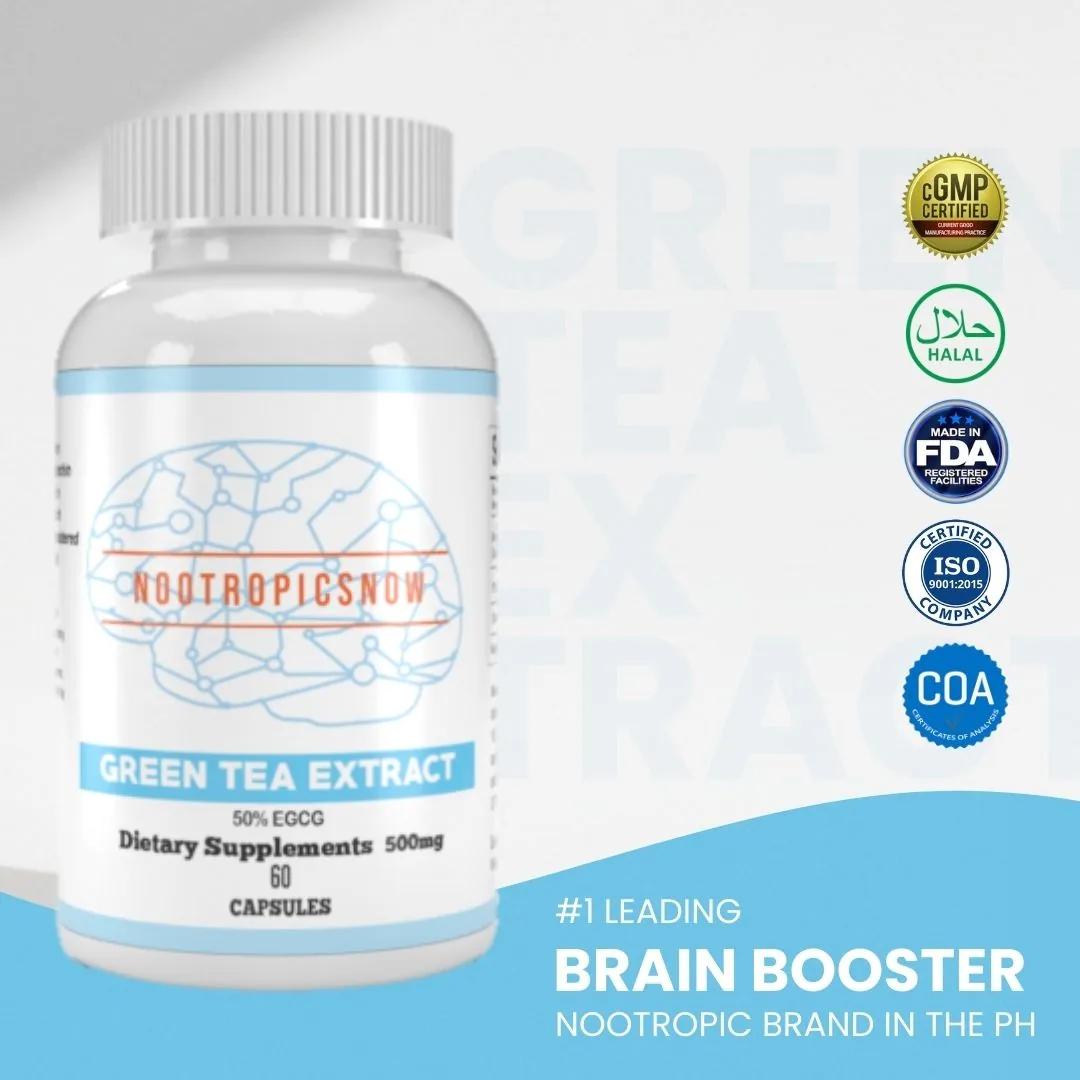
Energy
Last reviewed July 23, 2026
Occasional emails. Unsubscribe anytime.
TL;DR
In the Philippines, shoppers comparing chaga tea often want a product that is easy to understand, easy to brew, and not wrapped in overblown claims. That makes format and label quality more useful than marketing copy alone.
Chaga is a medicinal basidiomycete fungus with diverse bioactive compounds, and the research literature has long focused on its chemical profile rather than on simple one-line wellness claims.2 One reason people keep coming back to chaga mushroom tea is that it fits into a familiar routine: a hot drink, a visible ingredient, and a product format that is easier to evaluate than many capsules or blends. Still, the value of chaga tea depends heavily on how it was prepared and what the seller actually put in the bag or bottle.
A key point from the research is that hot-water extraction has been used to study chaga’s small phenolic ingredients and antioxidant activity.1 In plain language, that means steeping or decocting chaga does pull out some compounds of interest, but not every process extracts the same mix. Another study comparing extraction techniques found that different methods can change the chemical profile of the final chaga extract, including phytochemical composition and antioxidant activity.2 That matters because the words “chaga tea” can cover everything from a simple tea bag to a stronger extract-style product.
For shoppers, the practical takeaway is simple: if you want the best chaga tea, don’t start with claims about energy or immunity. Start with the format, the processing method, and whether the product page explains what kind of chaga preparation you are actually buying. Clear sourcing is especially useful when you’re ordering online and comparing delivery within the Philippines with imported listings.
When you compare labels, look first for sourcing and processing details. A vague mushroom label tells you very little, while a useful product page usually states whether the item is a tea bag, a decoction-style product, a powder, or an extract-based blend. That distinction matters because extraction method can affect which compounds are present.2 If a seller does not specify the format, you do not really know whether you are looking at a light tea-style product or something closer to a concentrated extract.
Tea format also changes expectations. Simple tea bags are usually chosen for convenience, but a stronger extraction process can produce a different chemical profile than a casual steep. Research on chaga extraction has compared water, ethanol mixtures, ultrasound-assisted extraction, and supercritical methods, showing that solvent and technique change what is recovered.23 So if a listing says “chaga tea” but also mentions advanced extraction, that product may behave very differently from a basic tea bag.
For buyers who prefer something more concentrated, products made with stronger extraction methods may not taste or perform like a standard cup of mushroom tea. A supercritical CO2 study on chaga triterpenoids identified compounds such as ergosterol and lanosterol derivatives in extracted material, underscoring that extraction style influences the final chemical mix.3 That does not make one format universally better; it just means you should match the format to your goal. If you want a mild daily drink, tea bags may be enough. If you want a more concentrated mushroom product, look for explicit extraction details before you buy.
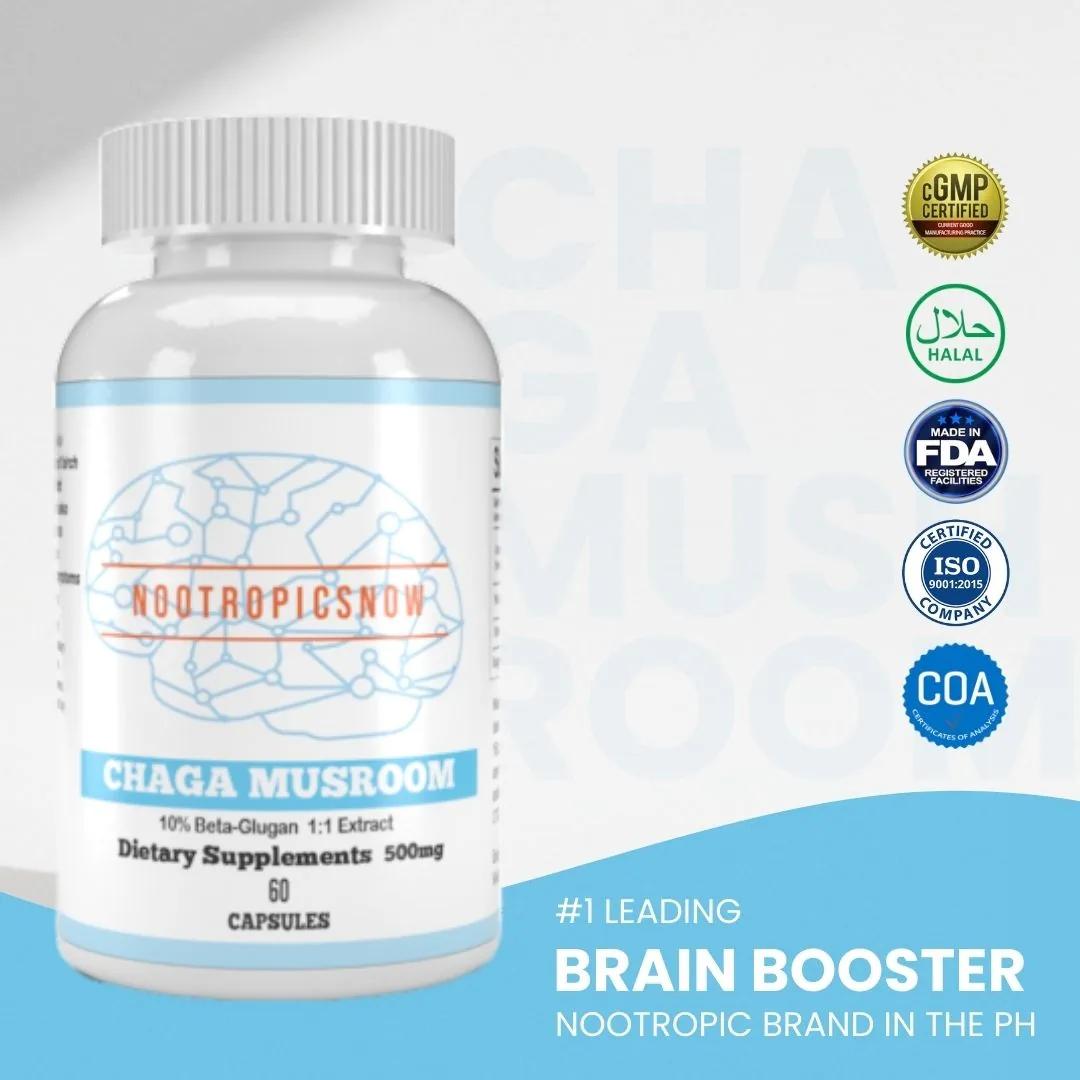
If you want a chaga-focused option that is easy to compare by format and availability, a mushroom-centered product page is usually the clearest starting point.
Chaga tea is commonly discussed as a mushroom tea made by steeping or decocting the fungus rather than by supporting it like a standard leafy tea. That is important because brew style shapes the final cup. A hot-water decoction tends to emphasize the compounds that are water-friendly, while other extraction methods can shift the profile in different directions.12 In practical terms, the taste you get depends on the raw material, the grind, the extraction style, and how long the product spent in hot water.
Many buyers describe chaga tea taste as earthy, woody, or mildly bitter, but the exact cup varies by product format and extraction. The research does not give a single universal taste profile, and that is the point: different processing methods recover different compounds, so a tea bag may taste and behave differently from an extract-based blend.23 If you enjoy gentler drinks, a straightforward tea-style product may feel more approachable. If you prefer a stronger mushroom note, a more concentrated product may be closer to what you want.
It also helps to think about how you will use the drink. Some buyers want a morning ritual, others want something to sip after work, and some simply want a caffeine-free hot beverage with a mushroom angle. Because chaga itself is not a stimulant tea, the experience is usually less about a quick jolt and more about routine, flavor, and ingredient transparency. That is why the best chaga tea bags tend to be the ones that explain serving size, water volume, and brew time in plain language. If the label gives no preparation guidance, the product is harder to use consistently.
Published studies support that chaga contains antioxidant-related compounds. In one study, hot-water extract of chaga showed strong antioxidant activity compared with other medicinal fungi, which is one reason chaga remains a common topic in mushroom research.1 Another comparative analysis found that different extraction techniques changed phytochemical composition and antioxidant activity in chaga extracts, reinforcing the idea that the production method is part of the product itself.2
What the evidence does not do is justify sweeping consumer health promises. The available research in this area is strongest for chemistry, extraction differences, and laboratory antioxidant measures, not for broad claims about what a daily cup will do for every person.12 That is an important distinction for anyone shopping for the best chaga tea. A vendor may describe chaga as a wellness product, but the research you can safely lean on is narrower than that marketing language.
The science also suggests that chaga is not one uniform ingredient. A hot-water decoction, an ethanol-assisted extract, or a supercritical extract can each surface different compounds.23 So when two products both call themselves chaga tea, they may still differ substantially in chemistry, taste, and brewing behavior. That is why a careful product comparison should focus on ingredient list, extraction method, and transparency instead of assuming all chaga products are interchangeable.
Chaga products are supplements or tea-style products, so label quality matters. If a brand is vague about the species, the part of the fungus used, the extraction method, or the serving size, you have less reason to trust the product page. Since evidence varies by product type, it is sensible to avoid overstating outcomes from any single tea.2 A careful buyer should prefer listings that make the format obvious and provide enough detail to compare one product with another.
Concentrated extracts deserve extra attention because extraction can change the chemical profile and may produce a stronger product than a regular tea bag.3 That does not automatically make extract-based products unsafe, but it does mean they are not the same as a mild brewed cup. If you are sensitive to strong herbal products, start with the least concentrated option and read the label closely. This is especially relevant when ordering online, where product pages can blur the line between tea, powder, and extract.
It is also worth checking whether the seller explains local Philippine shipping, packaging, and storage. Heat and humidity can matter for dried herbal products, so a clear storage note is helpful. Finally, if you have a complex health history, are pregnant, or take medicines that require caution with supplements, it is reasonable to ask a clinician or pharmacist before adding a new mushroom product to your routine. The research here supports caution and transparency more than it supports big promises.12
The most useful product pages usually answer four questions quickly: What form is it? How was it extracted? What is in it? How do you use it? If a product page can answer those clearly, it is easier to separate a solid chaga mushroom tea from a vague mushroom marketing page. Product format matters because extraction method can affect which compounds are present, and more concentrated methods may yield a different profile from simple tea bags.23
For tea-style items, look for direct brewing instructions, not just a lifestyle photo. For extract-based products, check whether the page names the extraction method or at least explains that it is more concentrated than a standard steep. If you want a lighter daily cup, a product that presents itself plainly as tea may fit better than a multi-step extract. If you want to compare several listings side by side, the most honest “best” choice is the one that gives you the best combination of clarity, usable format, and value.
When the product is a plant-based morning routine option rather than a chaga product specifically, brands often market green tea extract as a focus and alertness choice.
A final practical note: “best chaga tea” is not just about the tea itself. It is also about how easily you can verify the source, compare the serving style, and understand the product before checkout. That is particularly useful for shoppers in the Philippines who want a straightforward online purchase without guessing from the title alone.
A beginner usually benefits from a product with clear ingredient labeling and straightforward brewing instructions. Tea-style products are easier to start with than more concentrated extract formats.
Taste can vary by product format and extraction method. Social discussions often focus on whether the cup is mild or stronger and earthier, so it helps to check the product description first.
Not necessarily. Studies show that extraction method changes the compounds recovered from chaga, so tea bags and extracted products can differ in concentration and profile.23
Follow the label instructions first. If a product is designed as a tea, brewing guidance should be on the package or product page.
Yes, many shoppers compare product pages, ingredients, and shipping details before ordering. The safest approach is to review the listing carefully and choose the format that matches your routine.
Compare ingredient transparency, format, and extraction details. A clear product page is usually more useful than a vague “best” claim.
This article is for educational purposes only. It is not medical advice, not a substitute for professional consultation, and is not intended to diagnose, treat, cure, or prevent any disease.
Statements about dietary supplements have not been evaluated by the FDA. Individual results vary. Consult a licensed physician before starting any new supplement — especially if you are pregnant, breastfeeding, have a medical condition, or are taking prescription medication.
Quality and sourcing information is available on our quality page. Batch-level lab test data is available on request — contact support.
Last reviewed: 2026-07-23
Yuki Nakajima, Yuzo Sato, Tetsuya Konishi. Antioxidant Small Phenolic Ingredients in Inonotus obliquus (persoon) Pilat (Chaga). Chemical and Pharmaceutical Bulletin (2007). https://doi.org/10.1248/cpb.55.1222
Nevena Preradović, Đura Nakarada, Uroš Gašić. Green Extraction and Liposomal Encapsulation of(Chaga) Extracts: Comparative Phytochemical and Antioxidant Analysis.. Molecules (Basel, Switzerland) (2026). https://pubmed.ncbi.nlm.nih.gov/41515441/
Nghia Huynh, Gabriele Beltrame, Marko Tarvainen. Supercritical COExtraction of Triterpenoids from Chaga Sterile Conk of.. Molecules (Basel, Switzerland) (2022). https://pubmed.ncbi.nlm.nih.gov/35335249/