Starter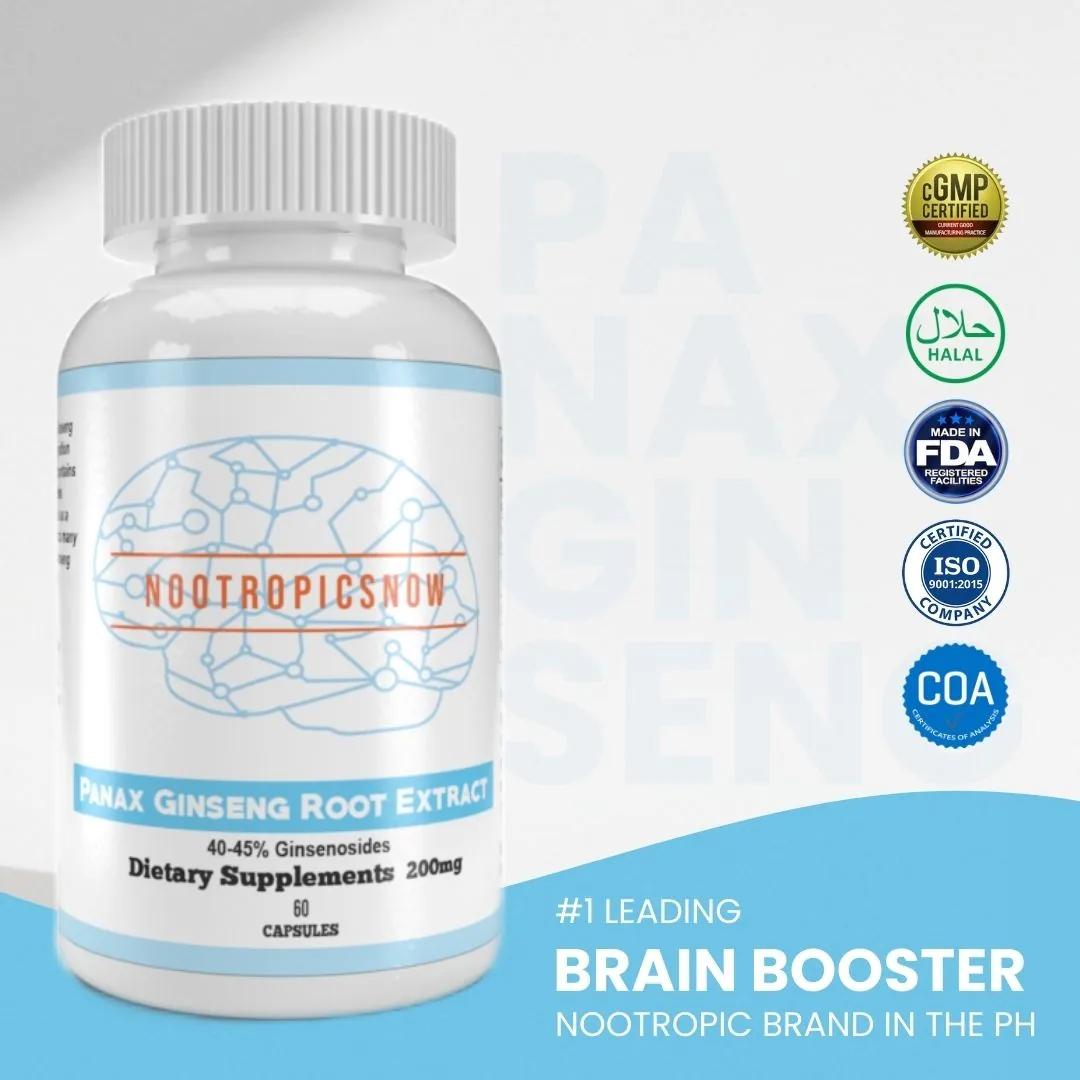
Energy
Last reviewed July 23, 2026
Occasional emails. Unsubscribe anytime.
TL;DR
In the Philippines, shoppers comparing energy supplements for chronic fatigue often need a practical way to sort “helpful support” from overpromising marketing.
Chronic fatigue is a symptom pattern, not a single diagnosis, so the first job is to ask what is driving the low-energy feeling. Nutrients matter because vitamins and minerals participate in energy-yielding metabolism, DNA synthesis, oxygen transport, and neuronal function, all of which can influence physical and mental fatigue.1 That is why supplement shopping should start with likely gaps and strain patterns rather than with the strongest stimulant on the shelf.
This matters in real life because two people can describe the same “tired all the time” problem and still need different support. One may be under-slept, one may be under-fueled, one may be recovering poorly after training, and another may be dealing with a stress-heavy schedule. The same bottle will not solve all of those situations. Reviews on fatigue and energy metabolism also point to the role of whole-body energy regulation, with the brain helping coordinate how the body allocates energy under stress and aging-related load.7
A useful way to think about supplements is to match them to the likely bottleneck:
That framing keeps expectations realistic. Supplements may support energy pathways, but they do not replace sleep, enough calories, iron status, or medical evaluation when fatigue is persistent or severe.1
A vitamin B complex is a logical first stop because B vitamins act as cofactors in energy metabolism, and a randomized double-blind trial reported improved fatigue and exercise performance after 28 days of supplementation.2 The logic is especially strong when your diet is irregular, you skip meals, or you suspect that your intake is not reliably covering the basics. B vitamins do not directly supply energy; they help the body process energy from food.2
Practical use is usually straightforward: many people take a B complex in the morning with food to reduce stomach upset and to avoid the feeling that they have “wasted” a daytime alertness aid. If you already consume a balanced diet and are not low in intake, the effect may be modest. That is not a failure of the product; it is a sign that the main bottleneck may lie elsewhere.
Caffeine is the most obvious short-term option when the main problem is low alertness. A review of caffeine and sport notes that its stimulatory effects can improve high-intensity endurance exercise, explosive efforts, resistance exercise, team sports, and combat sports, while also acknowledging individual variation in response.3 For fatigue, that means caffeine can be useful when you need a clear, time-limited lift, but the response is not uniform. Some people get a clean increase in wakefulness; others feel jittery or crash later.
That is why caffeine works best when it is used strategically rather than all day. Many users do better with a single earlier dose, especially if sleep debt is part of the fatigue pattern. In a chronic-fatigue context, too much caffeine can also mask the signal that you need rest, food, or a smaller workload. So caffeine is a tool, not a complete strategy.3
Creatine monohydrate is worth considering when fatigue overlaps with low training capacity or physically demanding routines. A recent review describes creatine monohydrate as supporting short-term performance by increasing intramuscular phosphocreatine stores, which aid ATP resynthesis during intense muscle contractions, and it notes emerging evidence for benefits beyond athletic performance.4 That makes creatine especially relevant if your tiredness shows up as low power, poor workout tolerance, or a sense that every task feels more draining than it should.
People often think of creatine only as a gym supplement, but the underlying mechanism is broader: it helps the body keep a fast-access energy buffer available during hard efforts.4 For some readers, that means better workout quality; for others, it may mean less “run-down” feeling during demanding weeks. Usual supplement decisions still matter here: choose a product with a clear ingredient profile, follow label directions, and be cautious if you have kidney disease or complex medical issues that deserve professional input.
When fatigue may be linked to low intake, the best move is often to look at vitamins and minerals before chasing a stronger stimulant effect. A narrative review on vitamins and minerals for energy, fatigue, and cognition emphasizes their roles in energy-yielding metabolism, oxygen transport, and neuronal functions, and connects those functions to both mental and physical fatigue.1 That is the core reason deficiency-related support deserves attention.
Search interest in B12, folate, iron, magnesium, and vitamin D is common for a reason: people often suspect that low energy is tied to something measurable in the diet or bloodwork. Even when a supplement is not a magic fix, it can be rational if intake is low or diet variety is poor. The benefit is most likely when the body is under-supplied, not when the issue is simply too much work and too little sleep.1
This is also where expectations need to stay grounded. Nutrient correction usually works gradually, not like a stimulant. If someone wants a product that feels immediately energizing, a mineral or vitamin may feel subtle. But subtle can be appropriate if the goal is to support the underlying pathway rather than force a temporary boost.
For shoppers in the Philippines, this is a useful filter because local buying decisions can be shaped by what is actually available, affordable, and tolerable for long-term use. A product that seems exciting online is less useful than one you can take consistently and match to your likely gap.
Rhodiola is often discussed for stress resistance and fatigue, and a recent review describes it as a plant whose bioactive components may function as adaptogens, increasing resistance to stress and improving resilience.5 The same review notes possible mechanisms that include modulation of energy substrate stores and use, reductions in fatigue and muscle damage, and altered antioxidant activity.5 That makes rhodiola a reasonable consideration when tiredness feels tied to heavy workload, demanding training, or a stress-heavy season.
Still, this is not the same evidence base as caffeine or core nutrient support. The research is promising, but it is broader and less direct, so the best language is cautious. Think of rhodiola as a “may help some people” option rather than a guaranteed fix.
This is also the right place to mention that stress-related tiredness often looks different from low-intake fatigue. You may still sleep enough hours but wake unrefreshed, or you may feel mentally flat even when physical energy is only mildly reduced. In those cases, a supplement that supports resilience may fit better than a pure stimulant, especially if you are trying to avoid late-day sleep disruption.
If you choose an adaptogen-style product, use one variable at a time. That makes it easier to tell whether the product actually changes how you feel, or whether the improvement came from better sleep, lighter workload, or a training adjustment.5
When fatigue follows long days or workouts, it is useful to separate “more stimulation” from “better recovery.” Exercise fatigue is shaped by energy metabolism and perceived exertion, and a review on endurance exercise-induced and mental fatigue highlights links between neurotransmission and the rising sense of effort during prolonged activity.8 Another review on lactate notes that lactate production is closely correlated with energy metabolism and that its physiological handling may matter for alleviating exercise-related fatigue.6
That context helps explain why recovery-oriented products can matter even when they are not stimulants. Cordyceps is often marketed for energy and recovery, and that positioning makes sense for readers who feel depleted after exercise or long, physically active days. The evidence is not as direct as it is for caffeine, but the product category fits a recovery-minded frame better than a pure wakefulness frame.
Cordyceps is therefore best thought of as a “support the comeback” option rather than a “push through anything” option. If your fatigue is cumulative, that distinction matters. You may be better served by a product that helps your body handle workload and recovery patterns than by another cup of coffee that only changes how alert you feel for a few hours.
Cordyceps also earns its place in a broader shopping strategy because it sits near the intersection of endurance, perceived exertion, and daily energy management. When long days and workouts are both part of the problem, it can be more relevant than people expect.
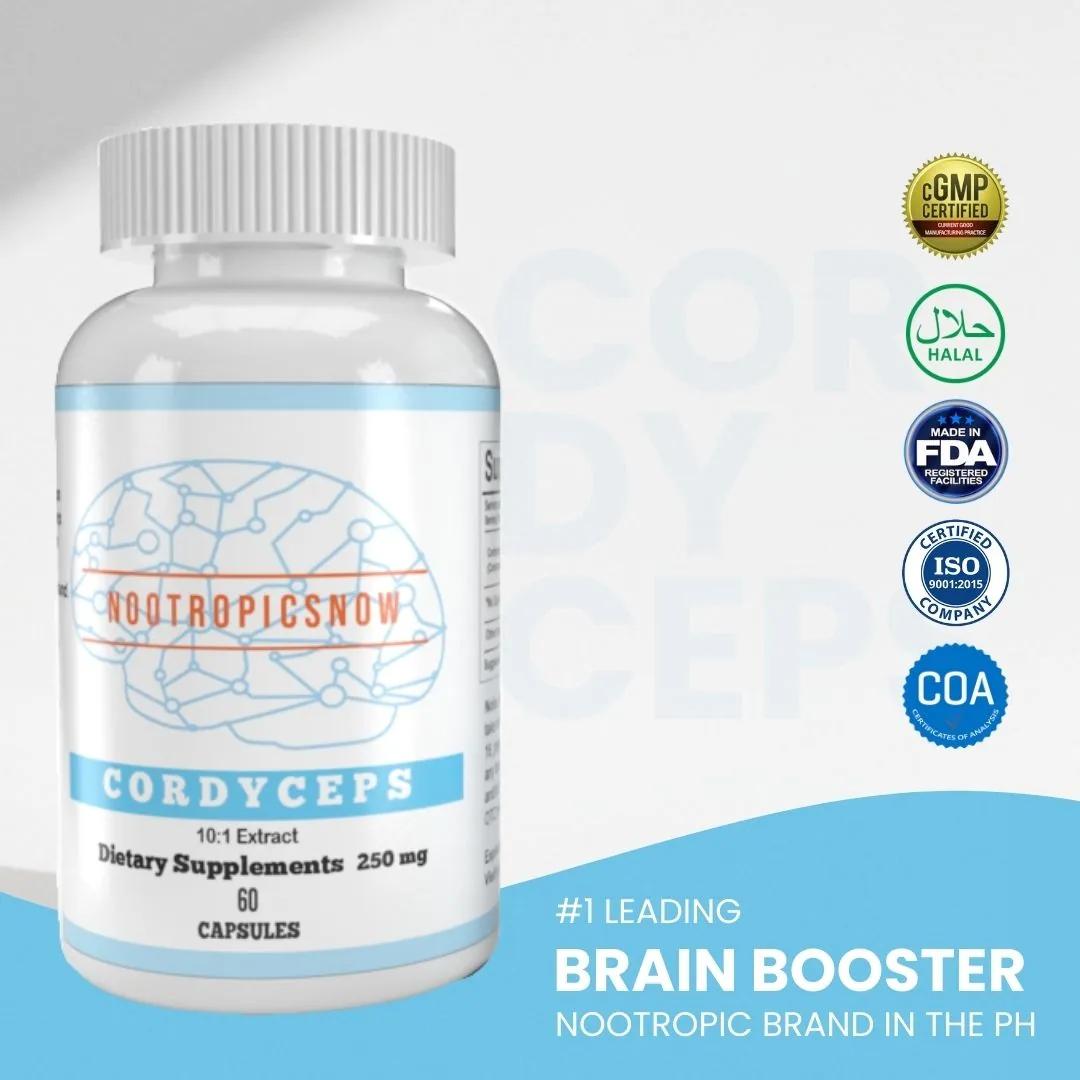
Catalog option: cordyceps mushroom 101.
Start with the most likely driver of fatigue:
Then narrow your shortlist to one supplement at a time. That matters because fatigue is easy to misread. If you try several products at once, you cannot tell whether one of them helped, whether the benefit came from a sleep change, or whether the result was just a good week. One variable at a time gives you cleaner feedback.
Product quality also matters. Favor items with a clear ingredient list, a sensible serving size, and a goal that matches your real problem. If your main issue is daytime alertness, a caffeine product can make sense. If you are looking for broader daily support, a B-complex or creatine product may be a better fit. If stress is the central driver, an adaptogen-style option may be more appropriate.3245
For fatigue that seems linked to a tough schedule, ginseng is another non-stimulant-style option that sellers commonly position for daytime energy support. It is sold as a practical energy-focused choice rather than as a strong stimulant, which may appeal to readers who want a gentler feel.
Catalog option: panax ginseng philippines.
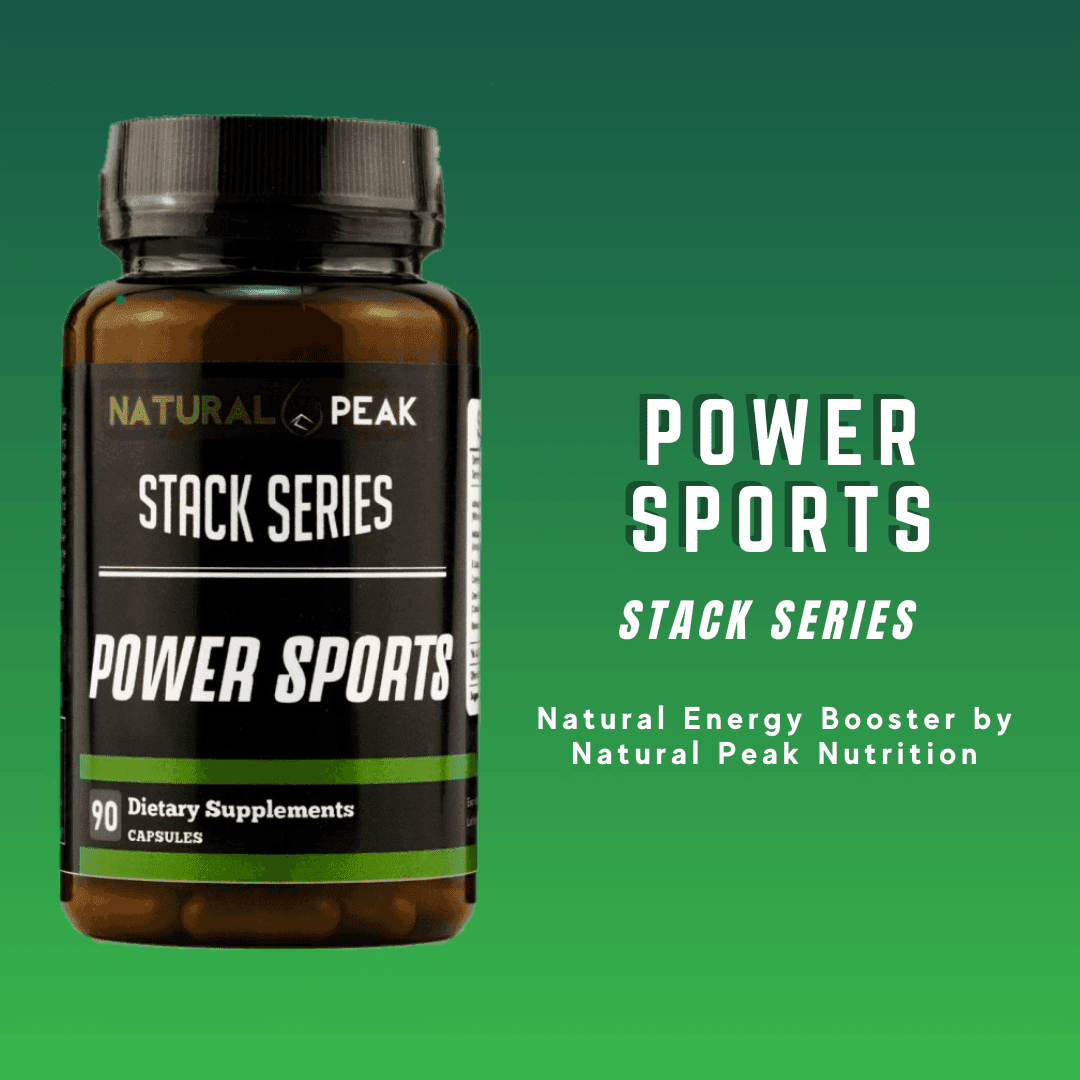
If your main concern is stress-related low energy, a broader formula can be useful when it is positioned around workload and resilience rather than quick stimulation. Natural Peak Nutrition’s Power Sports natural energy booster fits that sort of catalog niche because the nutrition angle makes it easy to compare against other stress-oriented products.
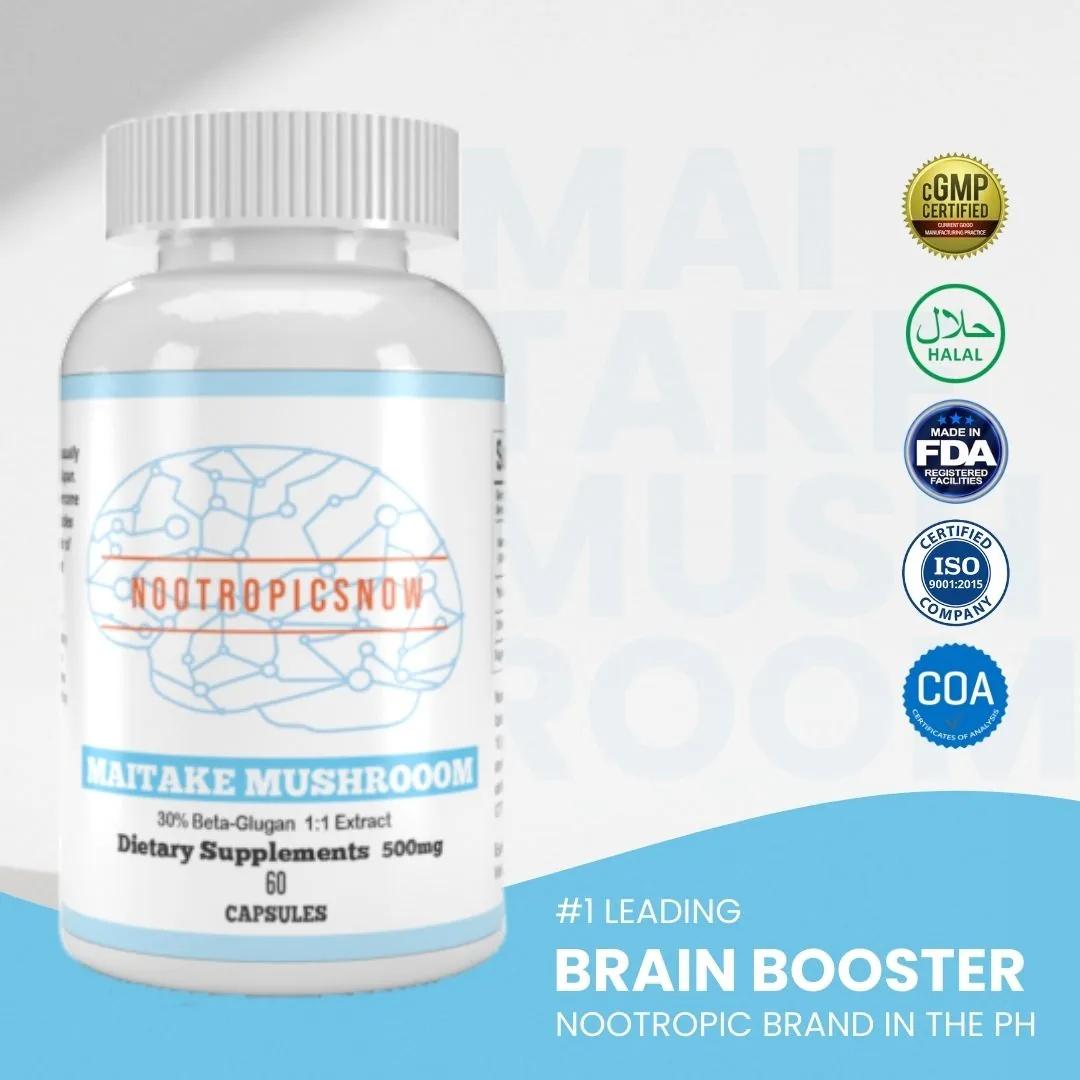
For shoppers comparing mushroom-based catalog choices, maitake gives you another energy-category reference point. It is sold as a mushroom option for readers who want a non-stimulant feel and prefer a simpler, catalog-friendly energy category.
A vitamin B complex is a reasonable first step because B vitamins support energy metabolism, and a randomized trial found improvements in fatigue and exercise performance after supplementation.2
Caffeine can improve alertness and performance, but individual responses vary, so it is better viewed as a short-term tool than a complete solution.3
Not exactly. B vitamins are more relevant when diet or metabolism support is the issue, while creatine is more relevant when fatigue overlaps with high physical or mental demand.24
They can be, especially for readers who notice fatigue after stress or heavy workloads, but the evidence is less direct than for core nutrients and caffeine.5
Yes, but availability and local Philippine shipping details can change by store and destination, so check product pages and ordering terms before you buy.
This article is for educational purposes only. It is not medical advice, not a substitute for professional consultation, and is not intended to diagnose, treat, cure, or prevent any disease.
Statements about dietary supplements have not been evaluated by the FDA. Individual results vary. Consult a licensed physician before starting any new supplement — especially if you are pregnant, breastfeeding, have a medical condition, or are taking prescription medication.
Quality and sourcing information is available on our quality page. Batch-level lab test data is available on request — contact support.
Last reviewed: 2026-07-23
Vitamins and minerals are described as playing roles in energy-yielding metabolism, DNA synthesis, oxygen transport, and neuronal functions, with effects on mental and physical fatigue.
Randomized double-blind trial noting that B vitamins act as cofactors in energy metabolism and evaluating 28-day supplementation for fatigue and performance.
Review stating caffeine’s stimulatory effects support performance and that individual variation in response exists.
Review describing creatine monohydrate as increasing intramuscular phosphocreatine stores and aiding ATP resynthesis, with emerging evidence beyond athletics.
Review describing rhodiola as an adaptogen that may increase resistance to stress and noting possible mechanisms involving fatigue and muscle damage.
Review stating lactate production is closely correlated with energy metabolism and discussing its physiological significance during exercise.
Review describing the brain as a mediator in the organismal energy economy and discussing energy metabolism in aging.
Review linking exercise-induced and mental fatigue with neurotransmission and perceived exertion during prolonged exercise.