Starter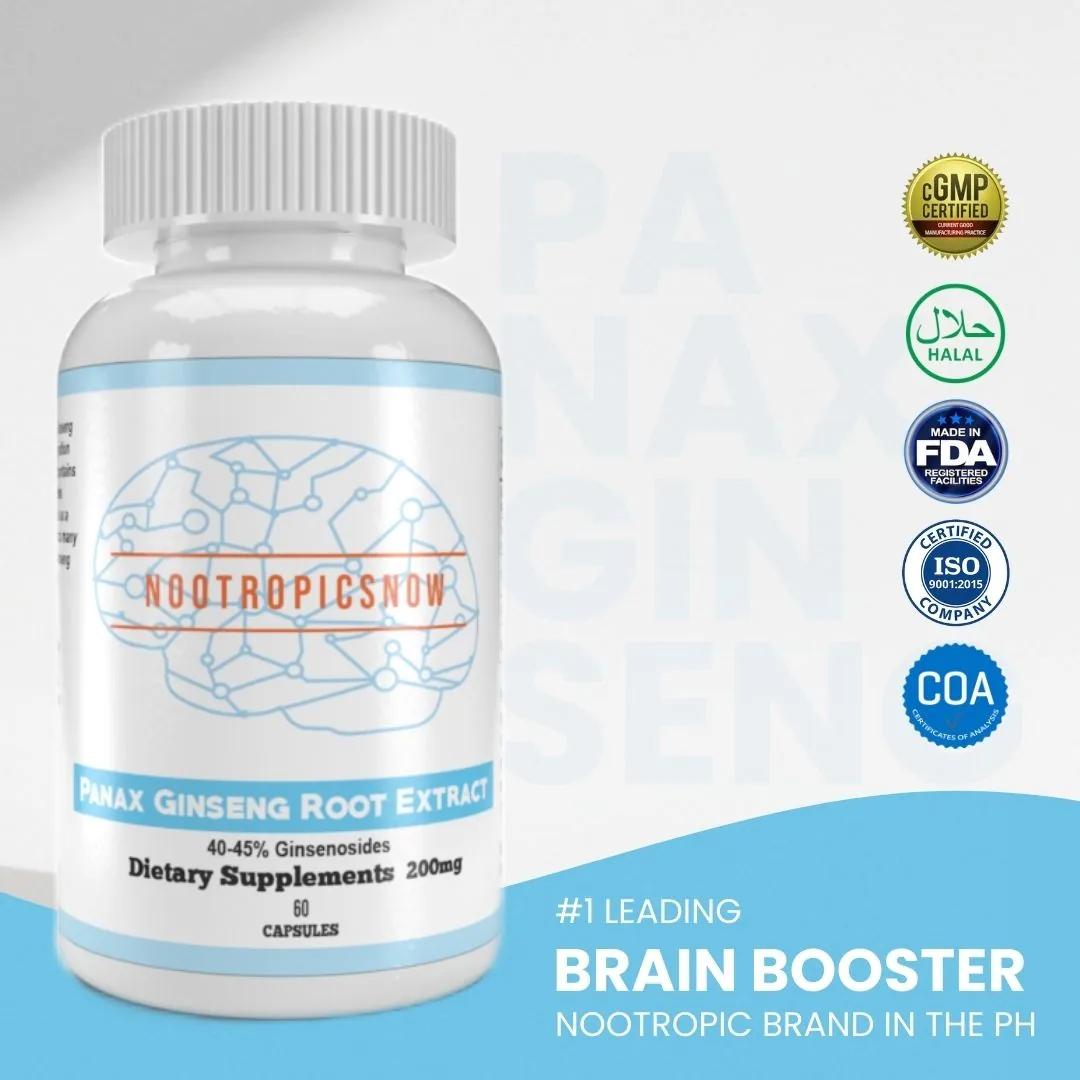
Energy
Last reviewed July 23, 2026
Occasional emails. Unsubscribe anytime.
TL;DR
In the Philippines, men comparing energy supplements often need a practical filter: what supports training, what fits a busy workday, and what is worth buying locally without overcomplicating the stack.
Energy supplements sit in a gray zone between nutrition support and performance support. Vitamins and minerals are essential to humans because they take part in energy-yielding metabolism, DNA synthesis, oxygen transport, and neuronal function, which is why low intake can show up as physical or mental fatigue. 1 A vitamin B complex trial also notes that B vitamins act as cofactors in energy metabolism processes and do not directly provide energy on their own. 4
That distinction matters because many men buy an “energy” product expecting a burst of stimulation, when the real issue may be sleep debt, under-fueling, heavy training, or a diet that is low in specific micronutrients. If the underlying problem is nutritional, the more relevant product is often one that fills a gap rather than one that pushes the nervous system harder. The same review that covers vitamins and minerals also links these nutrients with fatigue and cognition, which helps explain why some users feel a benefit and others do not. 1
This is also why one-size-fits-all advice falls apart. A supplement that helps a hard-training athlete may be the wrong fit for a man whose “low energy” is really stress and poor recovery. A product review for male soccer players emphasizes that nutritional strategies should match the sport’s energetic demands and fatigue burden, not just add more ingredients for the sake of it. 7
For workout-focused energy, caffeine is the clearest starting point. A sport-focused review says scientific evidence supports caffeine for improving high-intensity endurance exercise, explosive and high-intensity efforts, resistance exercise, team sports, and combat sports, while also noting individual variation in response. 2 That makes caffeine useful when the goal is performance output, alertness, or getting more out of a session, but it also means not everyone feels the same degree of lift.
Creatine is different. Creatine monohydrate is widely used because it can increase intramuscular phosphocreatine stores, which aid ATP resynthesis during intense muscle contractions and support short-term performance. 3 If a man wants help with repeated bursts of effort, lifting volume, or sprint-style training, creatine makes more sense than chasing a stronger stimulant effect.
B vitamins are best framed as support for the body’s energy machinery rather than as a buzz. A randomized trial in healthy humans describes B vitamins as crucial for basic cellular functions and metabolic pathways, and says each B vitamin acts as a cofactor in energy metabolism processes. 4 The same abstract states the supplementation hypothesis was to enhance physical performance and reduce physical fatigue, which is a better way to think about B-complex products: they may help when intake or need is relevant, but they are not a substitute for sleep or calories.
Magnesium and other minerals also deserve attention because the broader mineral literature ties them to fundamental metabolic pathways, oxygen transport, and neuronal functions. 1 That does not mean every man needs a high-dose mineral blend. It means a mineral shortfall can show up as poor training tolerance or fatigue, so the right purchase depends on whether the issue looks like a deficiency pattern, heavy sweating, or just poor supplement marketing.
Adaptogen-style ingredients occupy a middle ground between stimulant formulas and plain micronutrient support. Rhodiola rosea is described in the literature as a plant whose bioactive components may function as adaptogens, increasing resistance to stress and improving overall resilience. The same review notes that some effects may influence exercise performance and adaptations, with possible mechanisms including modulation of energy substrate stores and use, reductions in fatigue and muscle damage, and altered antioxidant activity. 5
That is a useful framing for men who feel flat under stress rather than sleepy from lack of caffeine. Rhodiola is not the same kind of tool as caffeine, and it is not intended to hit like a pre-workout. Instead, it is more often discussed as a resilience-support ingredient, which can be appealing when the main issue is stress plus fatigue rather than pure low arousal.
Mushroom-based products are usually positioned in a similarly cautious, non-stimulant lane. Cordyceps is commonly marketed around energy and recovery support, but the evidence base should still be read carefully and without inflated expectations. A review on physiological significance of elevated lactate levels notes that lactate production is closely correlated with energy metabolism and that controlling physiological effects of lactate may help alleviate fatigue during exercise. 6 That does not make every mushroom product equivalent, but it does support the broader idea that non-stimulant products are often chosen for training support and recovery-oriented goals rather than for an immediate buzz.
For readers comparing botanical options, Panax ginseng is often bought for a classic energy-adjacent profile. If you want a botanical rather than a stimulant-heavy formula, Panax ginseng is sold as a familiar place to start.
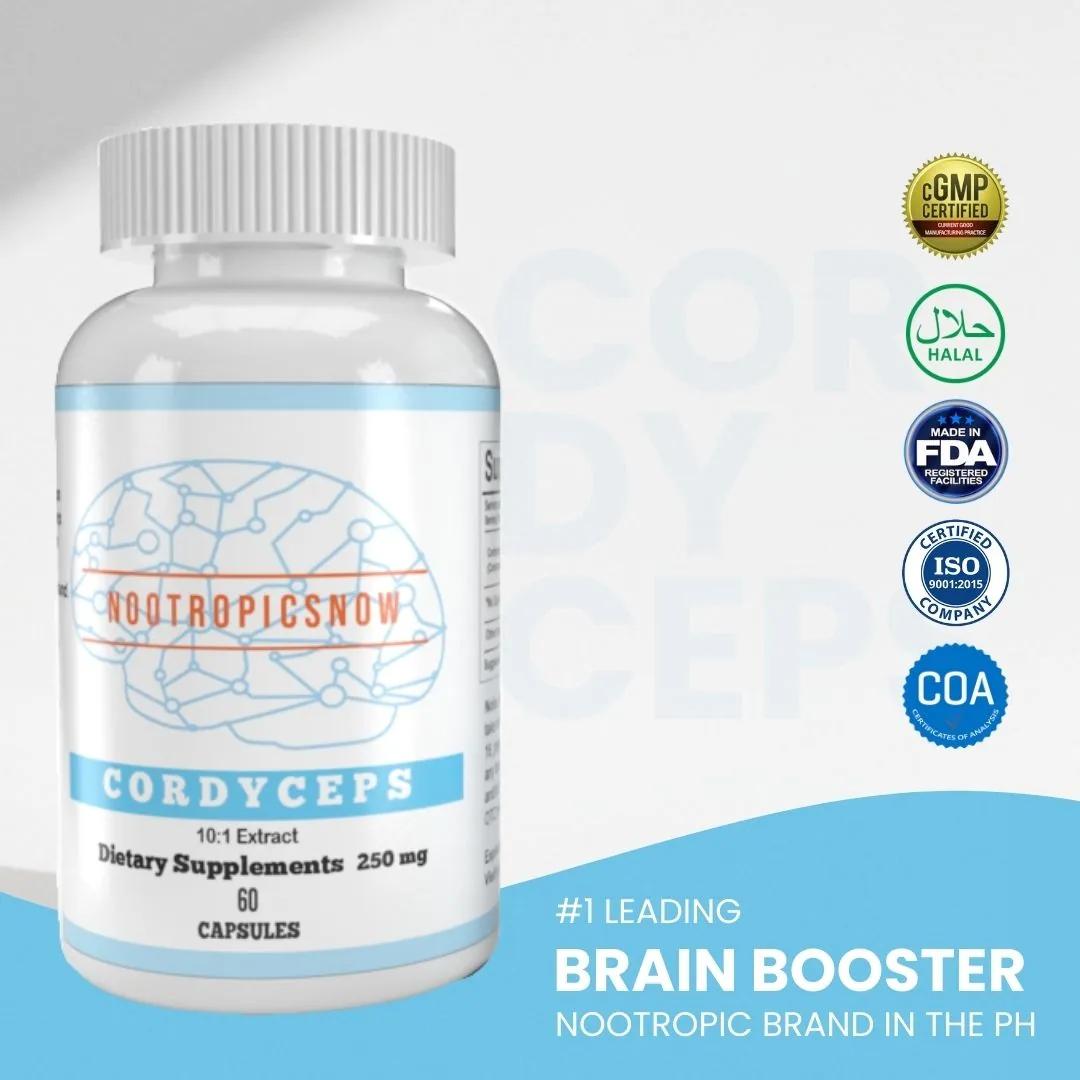
Cordyceps is often chosen by people who want something less aggressive than caffeine and more aligned with training recovery, so it makes sense to compare cordyceps alongside mushroom-based energy options.
The best choice depends on what “low energy” means in your routine. If you want better gym output, caffeine is the most straightforward option because the sport literature supports it for endurance, resistance, explosive work, and team sports. 2 If you want support for repeated training bouts or short bursts of power, creatine monohydrate has a clearer mechanism for short-term performance. 3
If fatigue feels tied to diet quality, irregular meals, or poor micronutrient intake, a B-complex or a mineral-containing product may be more relevant than a stimulant product. The biochemical review on vitamins and minerals describes their role in energy-yielding metabolism, oxygen transport, and neuronal function, while the B-complex trial highlights that B vitamins act as cofactors in energy metabolism. 1 4
If the real issue is stress plus low drive, adaptogen-style products can be a sensible category to test, but they should not be expected to behave like caffeine. Rhodiola’s literature discusses increased resistance to stress and possible effects on fatigue and exercise adaptation, which makes it a reasonable middle path for men who want a steadier feel. 5
For men who want an even more conservative approach, mushroom-based products can fit a “non-stimulant first” preference. That can be useful in the Philippines, where many shoppers are balancing work, commuting, training, and heat exposure; a product that feels smoother may be easier to live with than an aggressive formula. Local shopping also works best when you compare ingredients, not just claims, because local Philippine shipping makes it easy to order more than one thing and accidentally stack similar stimulants.
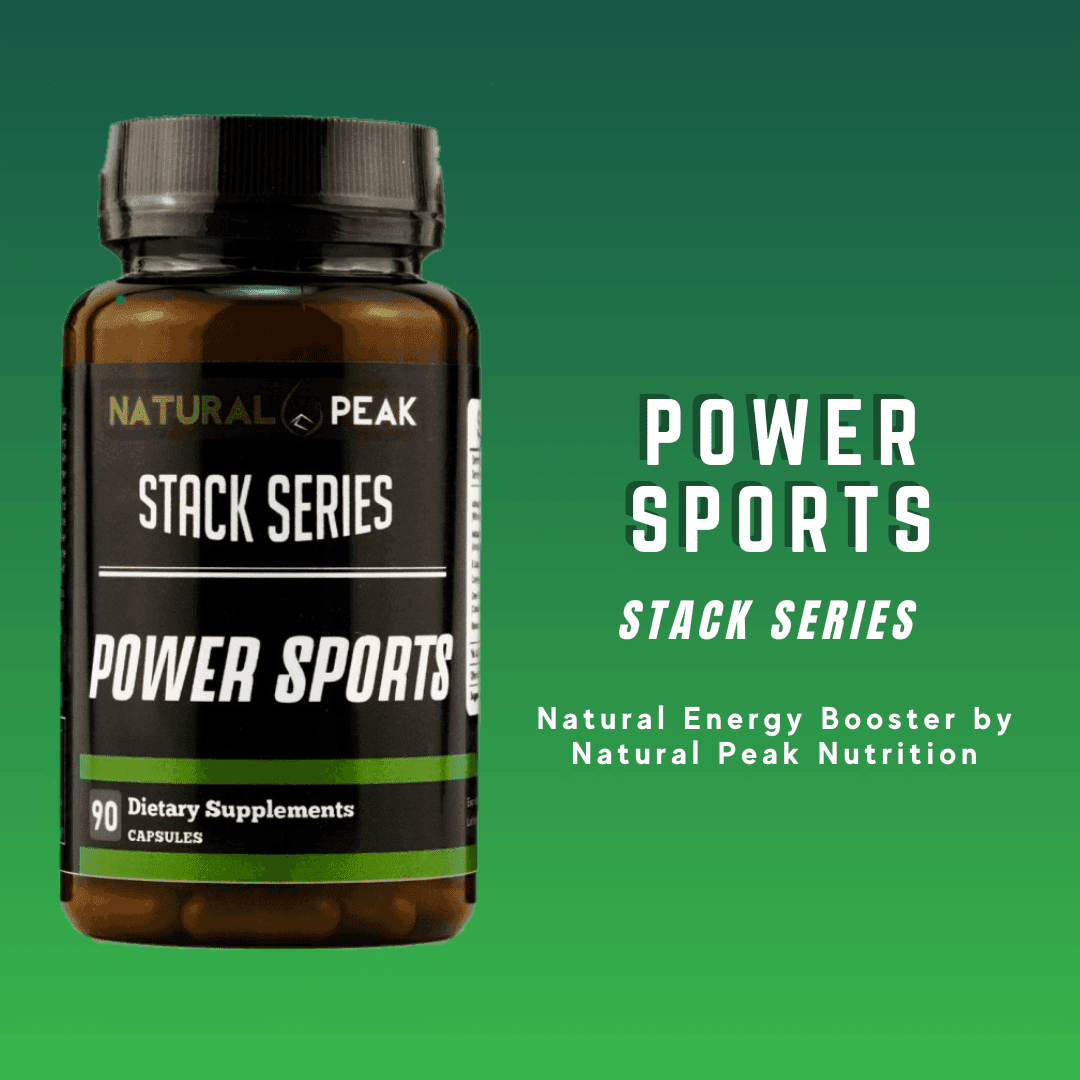
If you want a broader energy-style formula and are comparing general support products first, the nutrition angle is worth a close look. Natural Peak Nutrition’s energy-style product sits in that broader category for men who want a more general approach than a single ingredient.
The most common mistake is combining too many products that push the same pathway. Caffeine is the obvious example because people often pair coffee, pre-workout, and an “energy” capsule without realizing how much stimulant they have already taken. The caffeine review notes that individual variation in response exists, which is one reason a dose that feels fine for one person can feel excessive for another. 2
Another mistake is assuming more ingredients automatically means better results. If your goal is workout energy, a simple strategy is often better: pick one product, use it consistently, and judge the response before adding anything else. That approach matters because the literature on male soccer players emphasizes matching nutrition to actual energy demands and delaying fatigue, not indiscriminately adding supplements. 7
It also helps to watch for the difference between short-term stimulation and true support for fatigue. A person who feels drained because of poor sleep, high workload, or inadequate intake may not benefit much from a strong stimulant product. In that case, the best move may be to correct the root issue, then use a targeted supplement only if it still makes sense. The review on exercise-induced and mental fatigue also reminds us that fatigue is tied to neurotransmission and perceived exertion, which is a good reminder that low energy is not always a “supplement problem.” 8
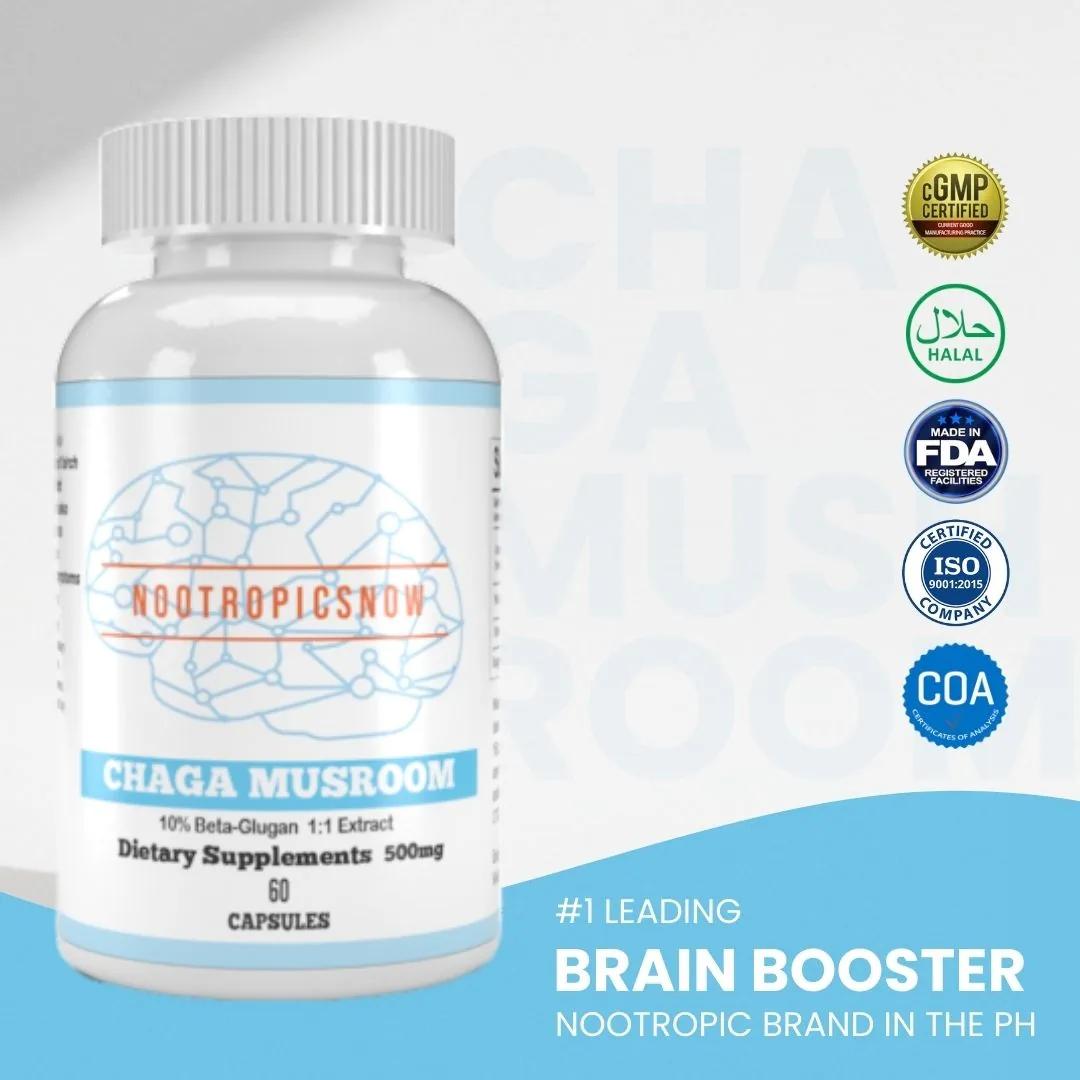
For men comparing mushroom-based products, cordyceps is often part of the conversation because it sits in the non-stimulant category and pairs naturally with recovery-oriented goals. If you want a mushroom option to compare against more direct energy formulas, a chaga product can be a useful side-by-side reference point.
For training-focused energy, caffeine and creatine have the strongest support among the options in this list. Caffeine is better when you want stimulation and sharper performance, while creatine is better when you want more short-term output during intense work. 2 3
B vitamins do not directly provide energy, but they are part of the metabolic pathways that help the body use nutrients for energy. That is why a B-complex makes more sense when intake is low or demand is higher. 4
They can be a reasonable category to consider when stress and fatigue overlap. Rhodiola, for example, is discussed as increasing resistance to stress and possibly affecting fatigue and exercise adaptation, but the evidence is more cautious than for caffeine or creatine. 5
Sometimes, but it is easy to overdo caffeine or duplicate ingredients. A better approach is to start with one clear goal and one primary product, then decide whether anything else is actually needed. 2 8
Yes—using a local catalog and checking product goals first can help you compare options more efficiently before you add anything to cart. That approach is especially useful when you want local Philippine shipping and do not want to build a stack from random labels alone.
Start with the cause of the low-energy feeling: training load, diet gaps, sleep, stress, or a need for more caffeine-free support. Then compare ingredient type, stimulant content, and whether the product matches your actual routine. 1 7
If you want the simplest evidence-based answer, caffeine is the most reliable for performance-style energy, creatine is best for intense training support, and B vitamins or minerals matter most when nutritional gaps are part of the picture. 2 3 4 For a calmer, non-stimulant direction, rhodiola, cordyceps, and similar mushroom-based products are worth comparing carefully, especially if you want a smoother feel rather than a hard push. 5 6
This article is for educational purposes only. It is not medical advice, not a substitute for professional consultation, and is not intended to diagnose, treat, cure, or prevent any disease.
Statements about dietary supplements have not been evaluated by the FDA. Individual results vary. Consult a licensed physician before starting any new supplement — especially if you are pregnant, breastfeeding, have a medical condition, or are taking prescription medication.
Quality and sourcing information is available on our quality page. Batch-level lab test data is available on request — contact support.
Last reviewed: 2026-07-23
Anne-Laure Tardy, Etienne Pouteau, Daniel Marquez. Vitamins and Minerals for Energy, Fatigue and Cognition: A Narrative Review of the Biochemical and Clinical Evidence.. Nutrients (2020). https://pubmed.ncbi.nlm.nih.gov/31963141/
Bryan Saunders, Larissa Registro da Costa, Ricardo Augusto Silva de Souza. Caffeine and sport.. Advances in food and nutrition research (2023). https://pubmed.ncbi.nlm.nih.gov/37722778/
Jorge Gutiérrez-Hellín, Juan Del Coso, Arturo Franco-Andrés. Creatine Supplementation Beyond Athletics: Benefits of Different Types of Creatine for Women, Vegans, and Clinical Populations-A Narrative Review.. Nutrients (2024). https://pubmed.ncbi.nlm.nih.gov/39796530/
Mon-Chien Lee, Yi-Ju Hsu, Sih-Yu Shen. A functional evaluation of anti-fatigue and exercise performance improvement following vitamin B complex supplementation in healthy humans, a randomized double-blind trial.. International journal of medical sciences (2023). https://pubmed.ncbi.nlm.nih.gov/37786445/
Grant M Tinsley, Andrew R Jagim, Gregory D M Potter. as an adaptogen to enhance exercise performance: a review of the literature.. The British journal of nutrition (2024). https://pubmed.ncbi.nlm.nih.gov/37641937/
Sungjun Lee, Yonghyun Choi, Eunseo Jeong. Physiological significance of elevated levels of lactate by exercise training in the brain and body.. Journal of bioscience and bioengineering (2023). https://pubmed.ncbi.nlm.nih.gov/36681523/
Andrew T Hulton, James J Malone, Neil D Clarke. Energy Requirements and Nutritional Strategies for Male Soccer Players: A Review and Suggestions for Practice.. Nutrients (2022). https://pubmed.ncbi.nlm.nih.gov/35277016/
Romain Meeusen, Jeroen Van Cutsem, Bart Roelands. Endurance exercise-induced and mental fatigue and the brain.. Experimental physiology (2021). https://pubmed.ncbi.nlm.nih.gov/32176398/