Starter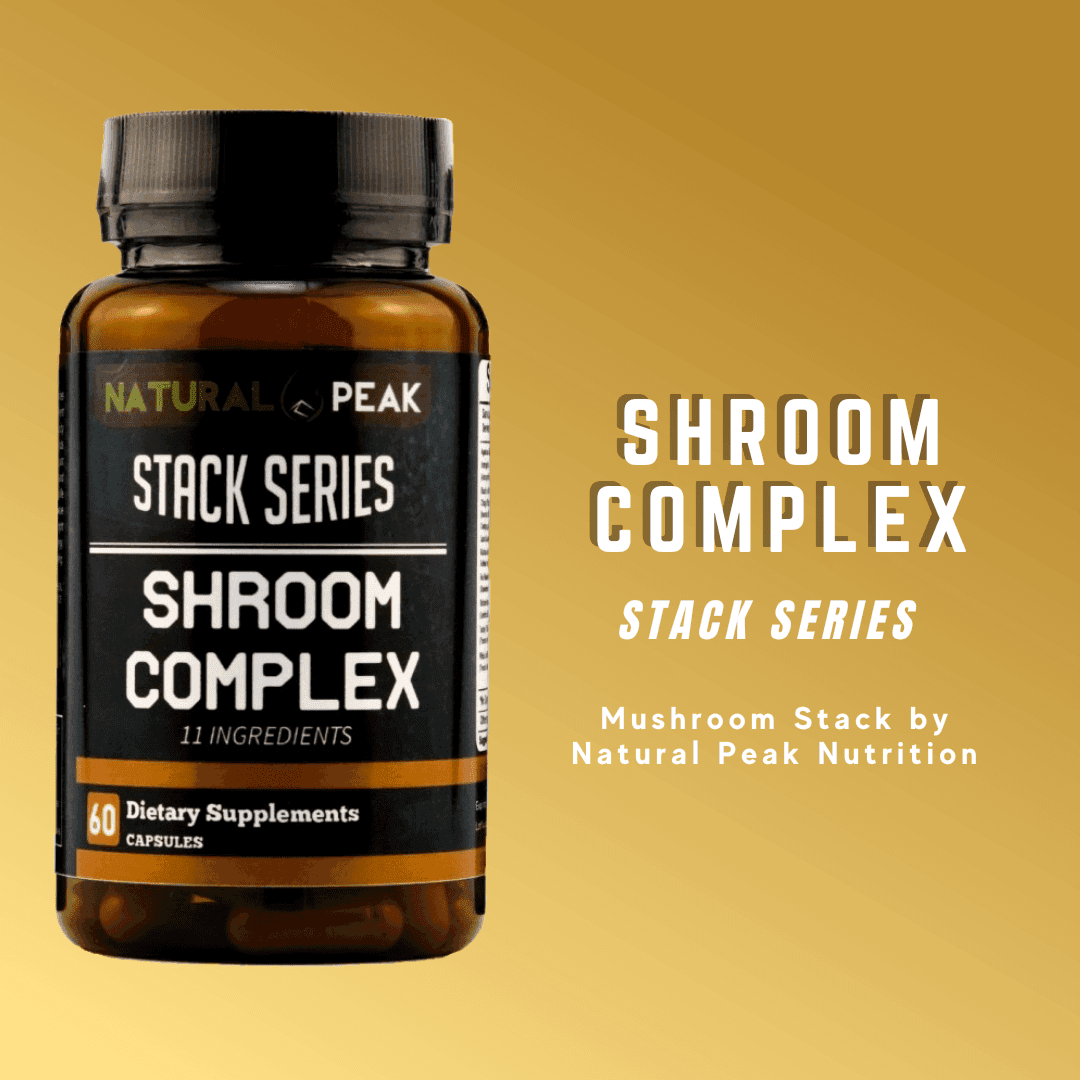
Stress
Last reviewed May 7, 2026
Occasional emails. Unsubscribe anytime.
TL;DR
In the Philippines, people comparing stress supplements often want something simple, but the better question is usually which option fits their situation, budget, and sleep pattern.
Stress supplements are best thought of as support tools, not quick fixes. Reviews of anxiety care emphasize that stress-related concerns sit on a spectrum, and broader management can range from lifestyle support to formal medical care depending on severity and diagnosis.1 That matters because “stress” can mean everyday strain, sleep loss, persistent worry, or symptoms that overlap with anxiety disorders.24
A supplement may help most when it fills a narrow gap. For example, a person with irregular sleep, long workdays, and poor recovery may notice a different response than someone with persistent anxiety symptoms or a separate mental health condition. The research base also suggests that sleep and stress are intertwined, so looking only at a capsule and ignoring sleep habits can leave the bigger problem untouched.5
This is why evidence-based stress support usually starts with a realistic frame: supplements may lower the load a bit, but they are rarely the whole plan. Reviews of early life stress and adult anxiety also remind us that stress biology is not one-size-fits-all, which is another reason to avoid expecting one ingredient to solve everything.2 If stress is intense, ongoing, or impairing daily life, a supplement alone is not enough of an answer.1
Among common stress support supplements, ashwagandha has some of the clearest human trial data in this outline. A randomized, double-blind, placebo-controlled study evaluated a standardized ashwagandha root extract in healthy adults and reported improvements in stress and anxiety scores, along with changes in stress hormones and quality of life measures.3
That does not mean ashwagandha is magic, but it does mean it has a better evidence footing than many products that are mainly promoted through word of mouth. The trial design matters here: placebo-controlled human data is more informative than general wellness claims, especially when the product is marketed for stress and calm rather than for a specific disease.
If you are considering ashwagandha, the practical questions are often about extract standardization, ingredient transparency, and consistency. The study in the outline used a standardized root extract with a defined withanolide content and piperine, which highlights an important point: product labels vary, and “ashwagandha” alone does not tell you how close a bottle is to the research model.3 That is one reason label reading matters as much as brand familiarity.
For readers comparing options in the Philippines, ashwagandha is often a reasonable first ingredient to evaluate if the goal is general stress support rather than immediate sedation. Still, it is smart to check for medicine interactions and personal tolerability before starting, especially if you already use other supplements or mental health medications.13
Magnesium is one of the most frequently discussed nutrient supplements for stress, but online popularity is not the same as strong product-specific proof. Reviews of anxiety-related biology note that inflammatory and stress-related pathways are involved in anxiety disorders, yet that does not mean every nutrient marketed for calm has equal support or that every person will respond the same way.4
A better way to think about magnesium is as a nutrient that may matter more when there is a clear gap in intake or a reason to suspect low status. That approach is more cautious than supporting magnesium as a universal stress fix. It also helps explain why some people feel a benefit while others do not: the response may depend on diet, baseline status, sleep quality, and whether stress is tied to another issue entirely.
This logic extends to other nutrient-based products as well. If a label contains a mineral or vitamin blend, the question is not only whether the ingredient has a reputation for calm, but whether the formula makes sense for your actual situation. For readers who are already eating a balanced diet, the expected effect may be modest. For those with poor intake or clear dietary gaps, a targeted nutrient can sometimes serve as a sensible starting point.14
A practical rule is to avoid buying magnesium just because it is trending. Ask instead: do I need a nutrient, or do I need a sleep routine, better workload boundaries, or professional support? That question often separates thoughtful use from random supplement shopping.
Stress and sleep problems often reinforce each other, which is why a stress plan may need to address both. A review of CBT-I research found that improving insomnia can also improve depression and anxiety outcomes in people with insomnia and certain comorbid psychiatric disorders.5 That does not make sleep treatment a supplement, but it does show why sleep quality is central to stress support.
If you are sleeping poorly, a calming supplement can sometimes feel underwhelming because the underlying driver is still active. In that setting, the supplement may be trying to do too much. Sleep loss can amplify irritability, lower resilience, and make ordinary demands feel heavier, which is why some readers see the most practical improvement when they pair supplement use with sleep changes.52
This matters especially in the Philippines, where long work hours, variable schedules, heat, and late screen time can all chip away at sleep consistency. A supplement may still be part of the picture, but the best results often come from combining it with a stable bedtime, lighter evening stimulation, and a realistic wind-down routine. The research on insomnia and mood outcomes supports that broader view.5
Not all stress is the same. Reviews of anxiety disorders show that pharmacological management is a separate clinical category from general wellness supplementation, and that is an important boundary to respect.1 If symptoms are intense, persistent, or tied to panic, severe avoidance, or trouble functioning at work or home, a supplement-only strategy may miss the real issue.
It also helps to remember that stress and anxiety can overlap with other conditions. The literature on anxiety and related disorders points to complex biology, including inflammatory signals and broader psychiatric patterns, which is one reason a generic “calming” product is not always the right fit.4 For some people, sleep disruption is the main problem; for others, the issue is a broader mood or anxiety condition; for still others, the trigger is medication, life events, or an unaddressed health problem.
That is why the best stress supplement is not always the strongest one advertised online. Sometimes the better decision is to step back, simplify the plan, and look for a clearer explanation of what is driving the stress response. If daily functioning is slipping, professional support is worth considering.12
Start with the label. A good stress supplement has a clear ingredient list, a recognizable dose, and a formula that makes it possible to compare the product with existing evidence. The ashwagandha trial in this outline used a standardized extract, which is a reminder that dose form and standardization matter as much as the ingredient name itself.3
Start one product at a time so you can judge your response. If you add multiple products at once, you will not know which one helped, which one did nothing, or which one caused side effects. This is especially important when you are comparing stress support supplements that may overlap with sleep, mood, or focus claims.
Also be cautious if you already take medicines or have a mental health condition. Reviews of anxiety treatment highlight that stress-related care is a medical area with real treatment complexity, so supplement choices should be made with that in mind.1 And because sleep and anxiety interact, it is worth asking whether the product you are eyeing is meant to support stress directly or is really better understood as part of a broader sleep plan.5
If you want a broader mushroom-based wellness stack rather than a single-ingredient approach, look carefully at the formula before buying. The word “mushroom” alone does not tell you how the product is positioned, how concentrated it is, or whether the blend matches your goal; Natural Peak Nutrition’s mushroom stack is one example of a broader formulation some shoppers compare when they want a wider wellness angle from mushrooms.
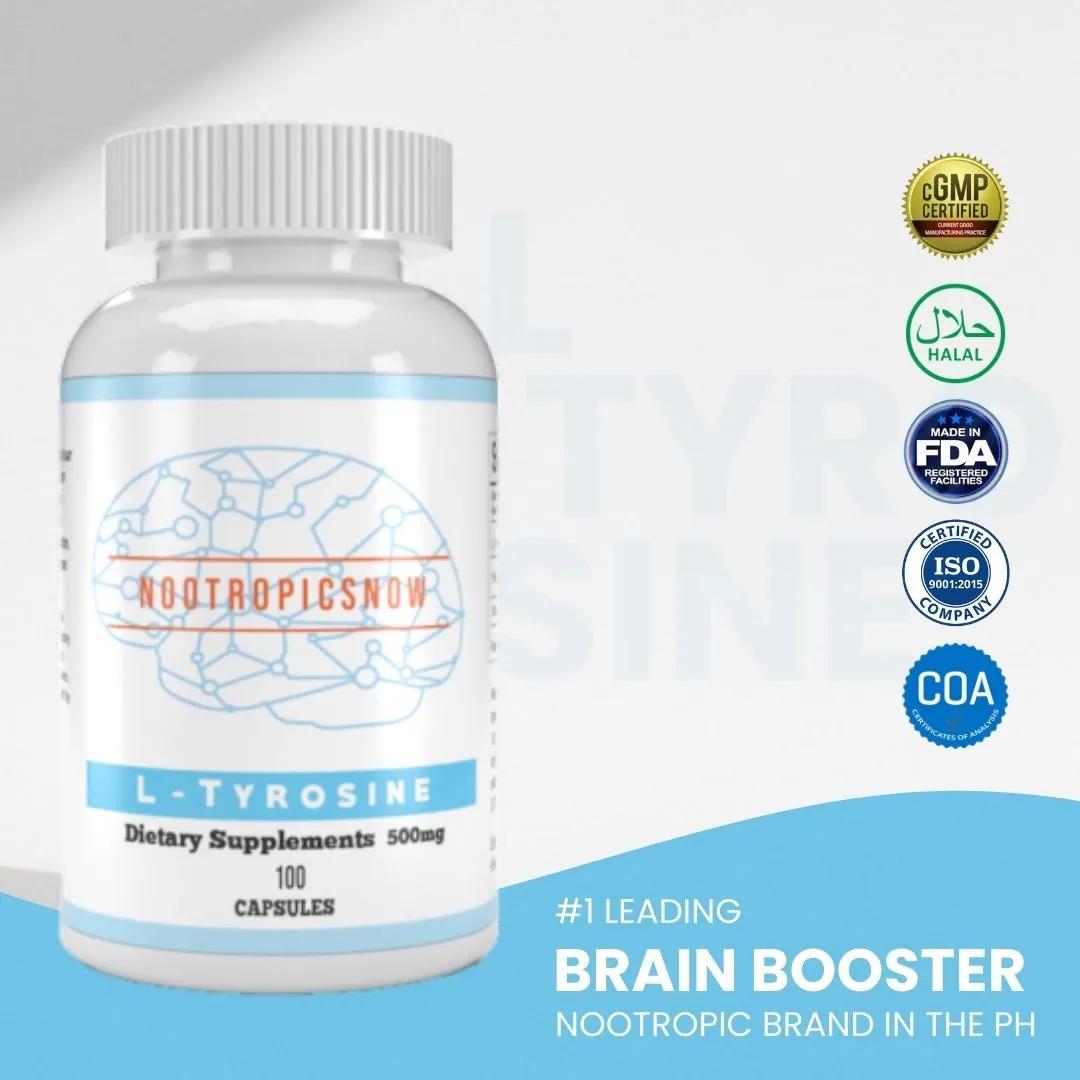
For readers who want a narrower routine, it is often better to choose one clear product and monitor it for a few weeks than to hop between options. That is especially true when the goal is stress support rather than a fast performance effect. If your main concern overlaps with energy or mental drive, L-tyrosine is a related option some shoppers compare, but it is marketed more toward mental performance and focus than calm alone.
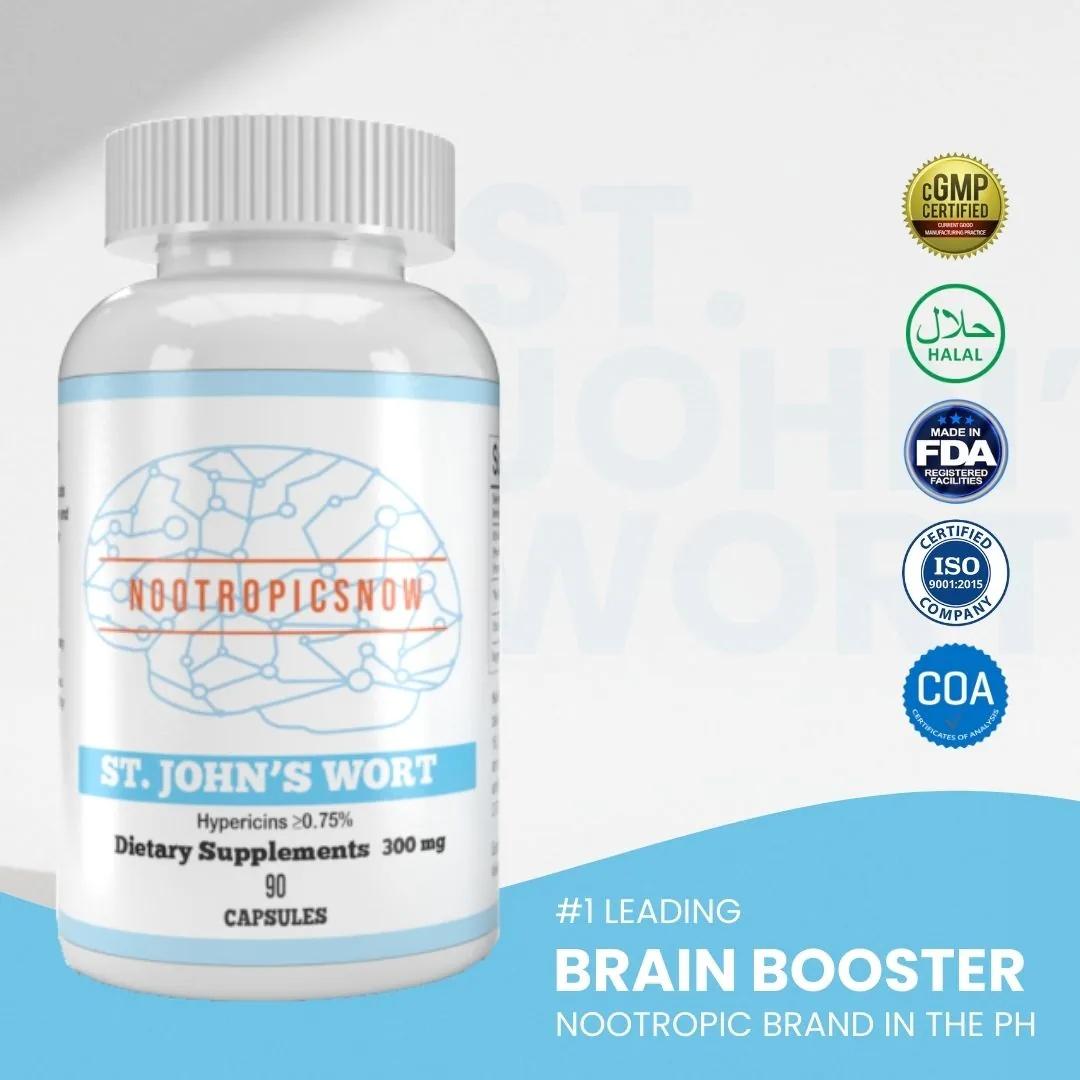
If you are comparing mood-oriented ingredients rather than pure stress support, products built around hypericins are usually discussed in a different lane. St. John's wort products with hypericins are often positioned for mood support, so they deserve extra caution around interactions and label quality.
Is stress supplement shopping in the Philippines different from buying globally?
The basics are similar: check the ingredient, dose, and whether the product fits your goals. Local shipping, pricing in Philippine pesos, and product availability can still affect the final choice.
Can ashwagandha help with stress-related tension?
A randomized controlled study found improvements in stress and anxiety measures with a standardized ashwagandha extract in healthy adults.3
Why do so many videos recommend magnesium for stress?
Magnesium is a common discussion point online, but online popularity is not the same as strong product-specific evidence. Focus on the label and the reason you are taking it.4
Is there a supplement that works immediately for stress?
Fast results are not a reliable promise to expect. Stress support is usually evaluated over time, and the best fit depends on the person and the product.3
Should I choose a supplement or improve sleep first?
If poor sleep is part of the problem, sleep-focused changes may be an important part of the plan because insomnia and stress can reinforce each other.5
What is the safest way to test a new stress supplement?
Use one product at a time, follow the label, and track how you feel so you can compare it with your baseline.1
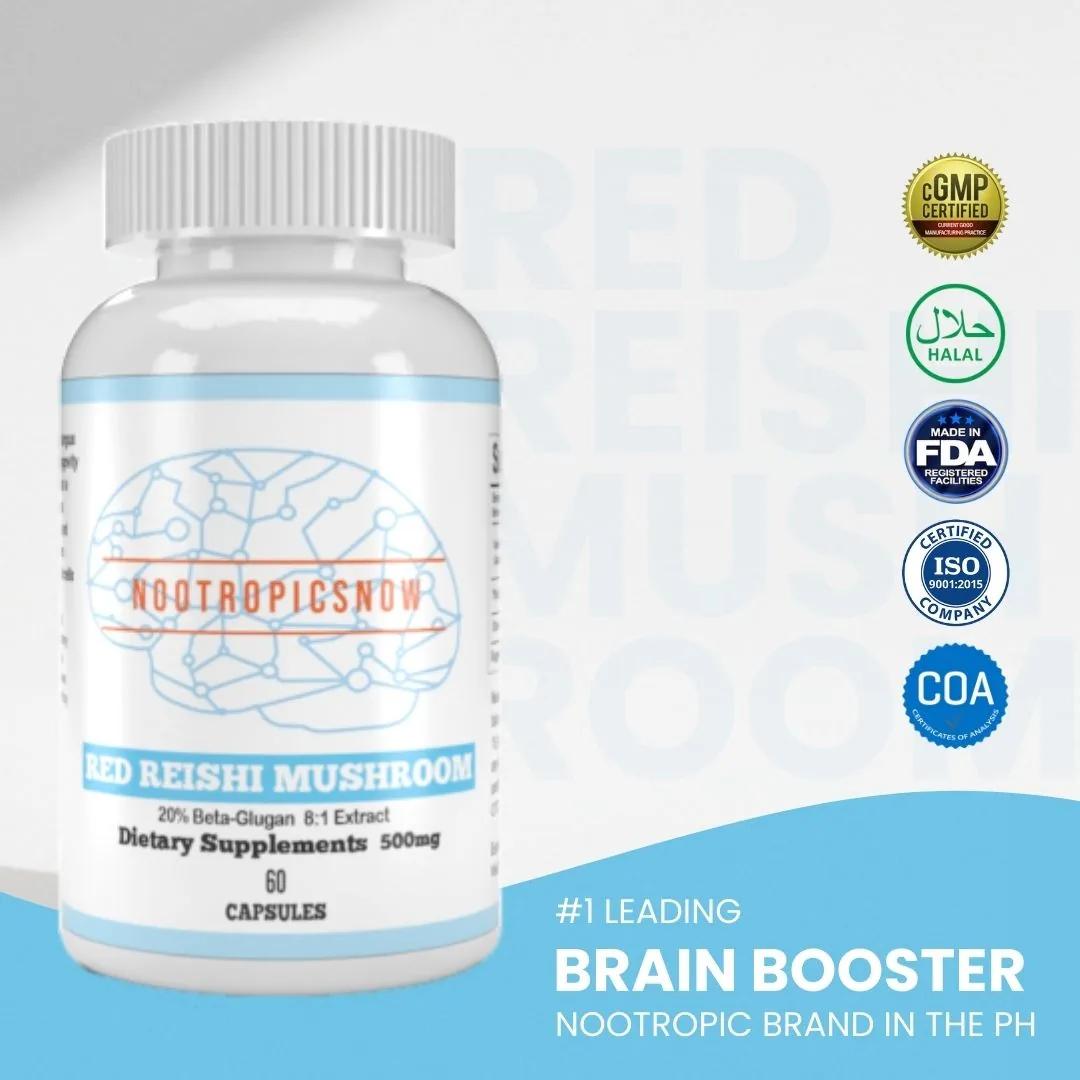
For readers who want the most evidence-backed mushroom-style stress option in this guide, red reishi mushroom is the final product to compare because it is commonly marketed for stress-and-sleep support within a cautious supplement-first framework.
This article is for educational purposes only. It is not medical advice, not a substitute for professional consultation, and is not intended to diagnose, treat, cure, or prevent any disease.
Statements about dietary supplements have not been evaluated by the FDA. Individual results vary. Consult a licensed physician before starting any new supplement — especially if you are pregnant, breastfeeding, have a medical condition, or are taking prescription medication.
Quality and sourcing information is available on our quality page. Batch-level lab test data is available on request — contact support.
Last reviewed: 2026-05-07
PubMed abstract states anxiety disorders are prevalent, reviews current pharmacological treatments, and frames management as a clinical area with approved and off-label options.
PubMed abstract states early life stressors are associated with increased risk for anxiety disorders in adulthood and discusses stress-related psychopathology.
PubMed abstract states this was a randomized, double-blind, placebo-controlled study of standardized ashwagandha root extract in healthy adults and reports improvements in stress and anxiety scores, stress hormones, and quality of life measures.
PubMed abstract states pro-inflammatory markers can directly modulate affective behavior and are described in PTSD, GAD, panic disorder, and phobias.
PubMed abstract states CBT-I may improve depression and anxiety outcomes among patients with insomnia and certain comorbid psychiatric disorders.