Starter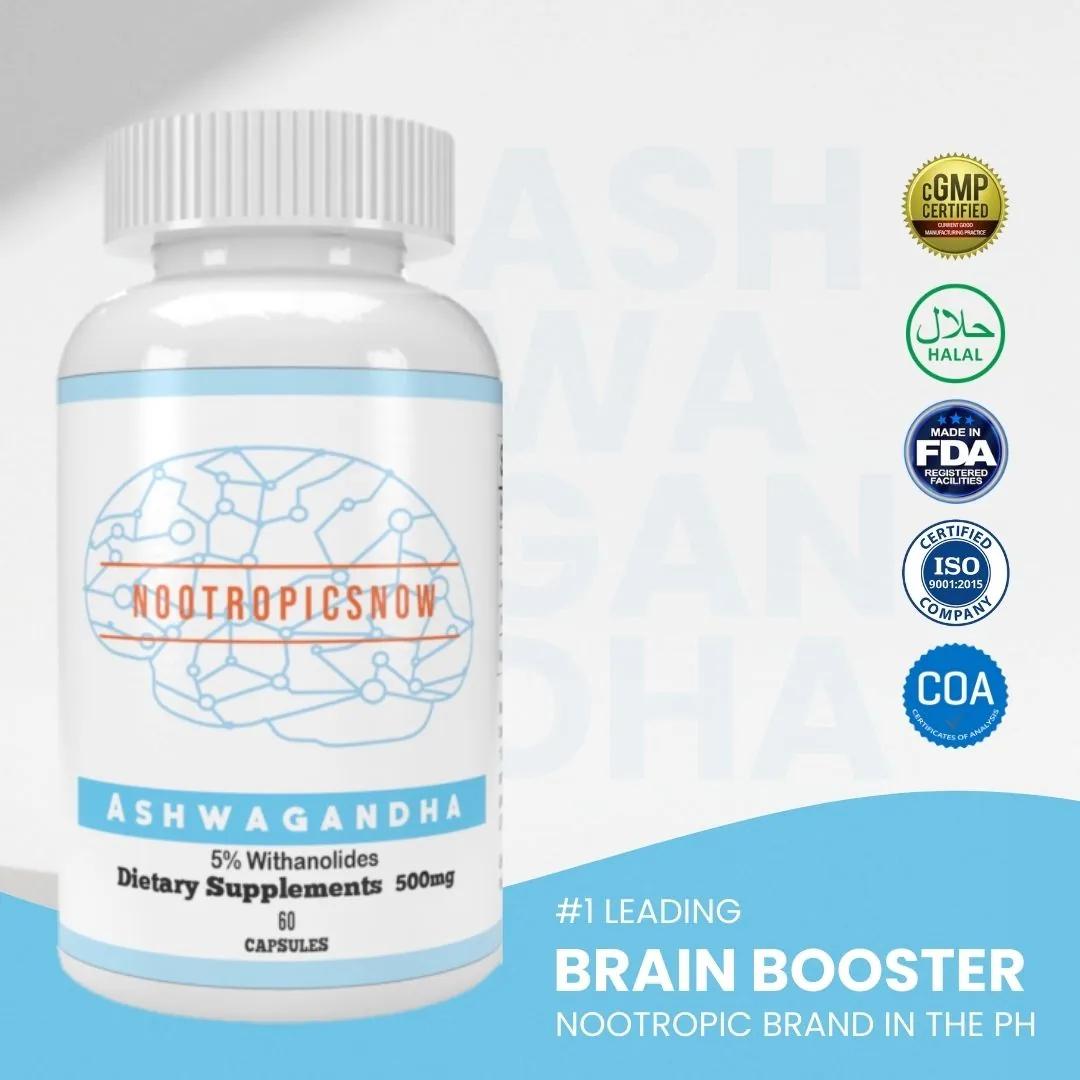
Sleep
Last reviewed May 4, 2026
Occasional emails. Unsubscribe anytime.
TL;DR
In the Philippines, shoppers comparing supplements for sleep usually want two things at once: a clearer idea of what each ingredient is for, and a practical way to buy the right SKU without overbuilding the stack.
Sleep complaints are not all the same. Some people mainly struggle to fall asleep, others wake during the night, and others sleep long enough but still wake up unrefreshed. Research also shows that objectively measured sleep duration can differ from what people feel they got, which is one reason the label “sleep support” can be too broad if you are trying to solve a specific problem.1
That matters because a supplement is usually more useful as one part of an evening routine than as a stand-alone fix. If your issue is bedtime tension, the ingredient choice may differ from what you would pick if your main concern is sleep timing or daytime sleepiness. Irregular sleep patterns are associated with poorer mental health and sleep quality in real-world monitoring research, so routine, light exposure, and schedule consistency deserve attention alongside ingredient choice.4
For buyers, the safer way to compare sleep aid supplements is to start with the problem you want to manage. Ask whether you want help with falling asleep faster, staying asleep more consistently, or feeling less keyed up before bed. That framing makes it easier to compare natural supplements for sleep without mixing up very different ingredients in one basket.1
Melatonin is one of the most commonly discussed ingredients for sleep support, especially when the concern is sleep timing or sleepiness. In the abstracted research pool here, melatonin is discussed in the context of assessing its therapeutic potential in adults with sleep complaints, which fits the way many shoppers already think about it: not as a sedative, but as a timing-related option.2
Theanine is often compared for a calmer pre-sleep wind-down rather than strong sedation. A translational study in the pool examined a walnut peptide and theanine combination in chronic stress-induced sleep disorders, including a human trial. The abstract specifically links these disorders with disrupted sleep architecture and reduced slow-wave sleep, so the pairing makes sense for readers who feel “wired” at night rather than simply sleepy.3
If you are comparing melatonin alternatives, this is where the decision gets more personal. Some readers prefer ingredients that feel gentler or more routine-friendly, while others want a product that is clearly oriented toward evening relaxation. Herbal sleep support often sits in that second group, especially when stress is part of the story. Ashwagandha is frequently marketed for stress-first routines, while red reishi is often browsed by shoppers who want a softer herbal option for nighttime wind-down.
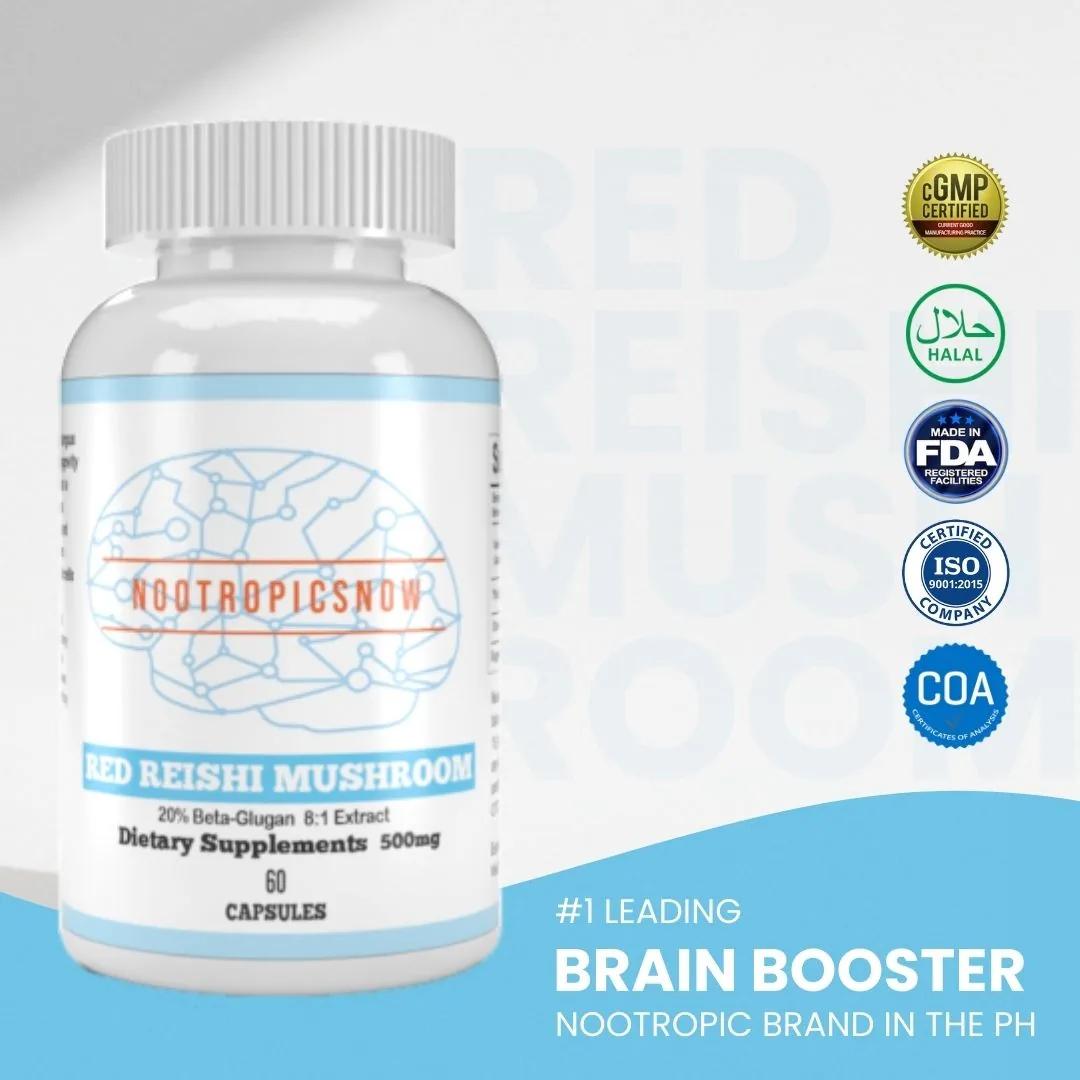
Red reishi mushroom is one of the mushroom-based choices people often browse for that gentler evening feel.
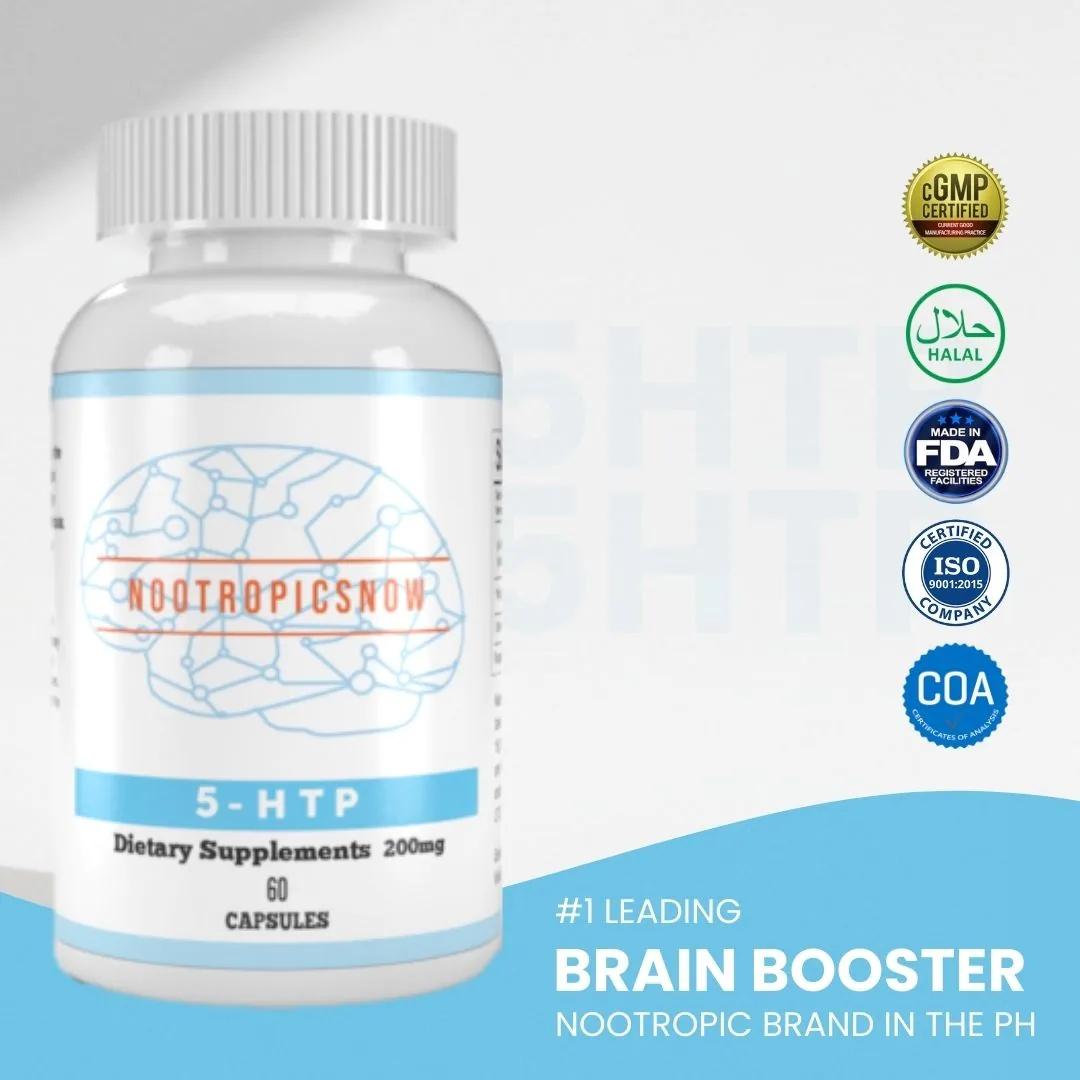
5-HTP also appears in mood-plus-sleep browsing because shoppers sometimes want a broader evening wellness angle rather than a single-ingredient sleep cue. Since that is more of a positioning choice than a direct clinical promise, the better framing is that sellers position 5-HTP as a mood-and-evening-support option for people comparing related ingredients.
For readers comparing all of these options, the main question is not “which one is strongest?” but “which one matches my sleep pattern?” Melatonin-style products tend to fit timing problems, theanine-style products fit calmer wind-down routines, and herbal picks are usually chosen when stress is the more obvious barrier.23
Sleep quality is shaped by more than ingredients. The monitoring study in the pool found that daily sleep variability tracked with poorer mental health and sleep quality, which supports the common-sense idea that consistency matters. If your sleep schedule shifts a lot from one night to the next, even a well-chosen supplement may feel underwhelming.4
This is why many people get better results when they think in terms of an evening system. That system can include light management, a predictable bedtime, a lighter final meal, and one supplement chosen for a single goal. Non-supplement approaches matter too. In the research pool, Tai Chi improved sleep quality in older adults with mild insomnia, and bright-light or near-infrared light approaches were also studied for insomnia symptoms, underscoring that sleep support is broader than capsules alone.56
Stress-related sleep problems are a different category from simple bedtime timing issues. The translational walnut peptide and theanine study specifically frames chronic stress-induced sleep disorders as involving disrupted sleep architecture and reduced slow-wave sleep, with HPA-axis hyperactivation as part of the mechanism described in the abstract. That makes stress management a legitimate part of the sleep conversation, not just a wellness add-on.3
For readers who want herbal sleep support, this is where red reishi and similar options are often grouped with calmer routines rather than heavy nighttime sedation. In practical terms, that means they are usually best considered when you want a gentler ingredient profile and you are already planning to improve routine, light exposure, and caffeine timing.
The simplest safety rule is to match the product to one goal and start with one new ingredient at a time. If you add several sleep-related products at once, it becomes hard to tell what helped, what did nothing, and what made you groggy the next day.1
Dose is also worth thinking about even when an abstract does not give a practical consumer dose. Research on theanine, melatonin, and stress-linked sleep routines does not mean every product on the market is interchangeable. Labels can differ a lot in potency, extract type, and whether the product leans toward amino acids, herbs, or hormone-like support.32
That distinction matters if you are comparing natural supplements for sleep and wondering whether “gentler” means “better.” It does not necessarily. A gentler formula may be a better fit if your main issue is pre-bed tension, but it may not feel adequate if your issue is sleep timing or repeated night waking. The right choice is the one that aligns with the problem you actually have, not the one with the broadest marketing copy.1
Be cautious if you already take medications or have a medical condition. The available research in the pool does not say that all sleep products are interchangeable, and it does not give permission to stack several products casually. If you are already using sedating medicines, have depression, or have a complex sleep complaint, the safer move is to choose a single low-complexity product and evaluate your response carefully.14
If your sleep issue is stress-linked, ashwagandha is the obvious first stop because sellers commonly position it as a stress-first option that may also fit a calmer bedtime routine. It is the kind of ingredient people reach for when the main problem is mental tension rather than a need for strong sleepiness.
If you want a stress-first botanical, ashwagandha is the natural starting point for that kind of evening routine.
For a gentler herbal night option, red reishi mushroom tends to appeal to buyers who want a softer, less aggressive feel from their bedtime stack. The “mushroom” framing matters here because many shoppers compare mushroom-based products as part of a relaxation routine rather than a hard sleep-onset tool.
Red reishi mushroom is often browsed by shoppers building a softer mushroom-based evening stack.
red-reishi-mushroom-81
For mood-plus-sleep browsing, 5-HTP is frequently part of the same conversation because some shoppers want broader evening support rather than a narrow sleep ingredient. That positioning is about shopper intent, not a claim that it is a sleep medicine.
If you are comparing 5-HTP for that broader evening support angle, it is a mood-first choice rather than a pure sleep-onset tool.
5-htp-philippines
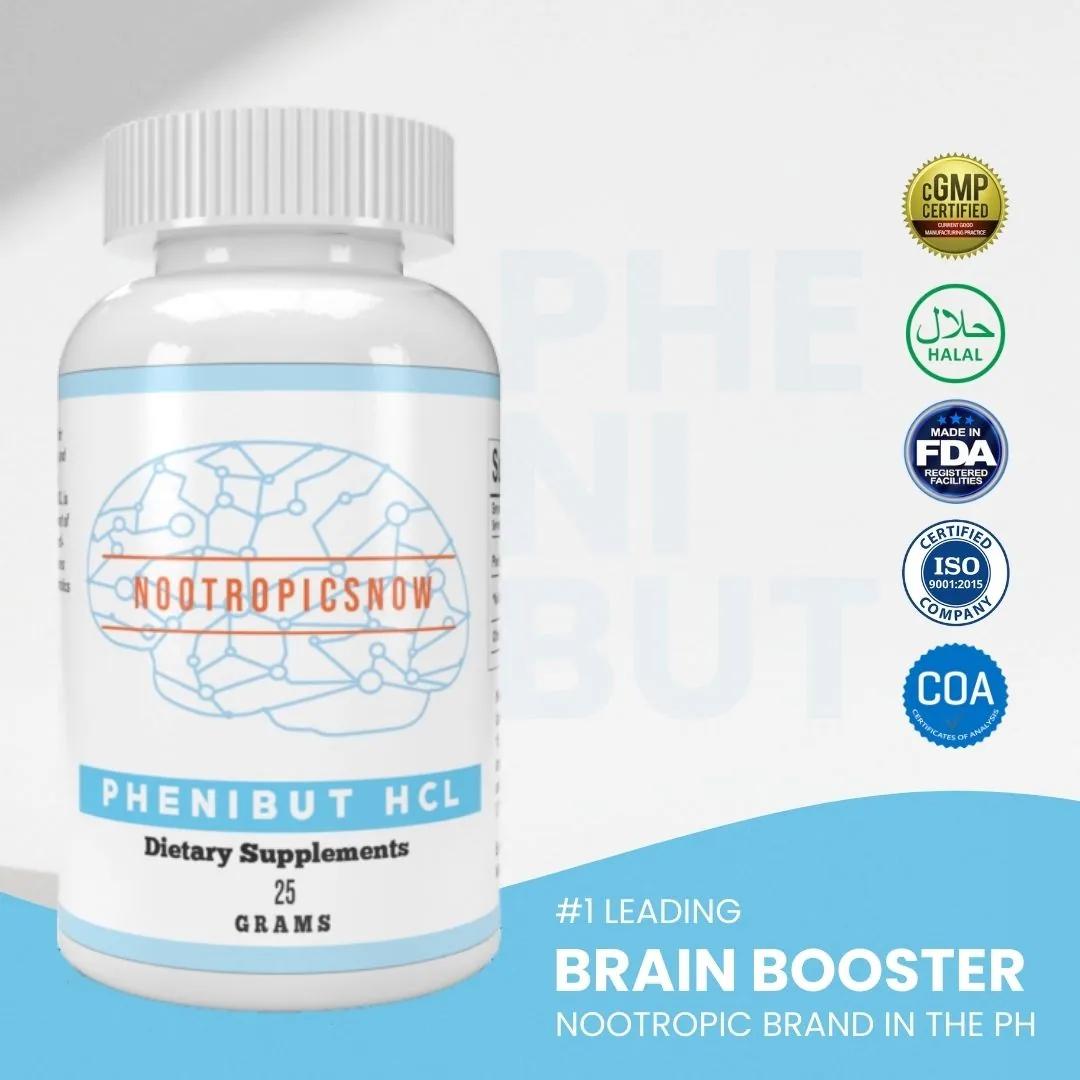
Phenibut HCl is a more caution-heavy product. Shoppers researching phenibut usually do so because they are looking for stronger stress-and-sleep positioning, but that same profile is exactly why it deserves extra care. It is not the kind of option most people should add casually to a nightly routine.
Phenibut HCl is the product people usually study only after they have narrowed the phenibut question to a high-caution use case.
The practical takeaway is that “best sleep supplements” depends on what you are optimizing for. Ashwagandha fits a stress-first mindset, red reishi suits a gentle herbal pattern, 5-HTP is usually browsed for mood-plus-evening support, and phenibut HCl belongs in the high-caution bucket rather than the everyday one.3
For Philippine buyers, the main issue is not just ingredient choice. It is whether the exact product is in stock, whether the SKU matches what you want, and whether local Philippine shipping is available at checkout. Because inventory can change, it is smarter to verify the specific product page before you rely on third-party clips or generic search results.
That is especially important with sleep support products because a name can hide meaningful formulation differences. Two listings may both look like “melatonin alternatives” or “herbal sleep support,” but the actual ingredient, extract strength, and serving format can be very different. If you are buying in the Philippines, the goal is to confirm the exact SKU first and then decide whether it fits your routine, not the other way around.
It also helps to remember that social media and creator-led recommendations are usually starting points, not proof that a product fits your needs. A product that looks popular in creator content may still be a poor match for your sleep problem, especially if your issue is more about stress, timing, or schedule consistency than general bedtime discomfort.14
The most commonly discussed supplements for sleep are melatonin, theanine, magnesium, and herbal stress-support options. The best fit depends on whether your main issue is falling asleep, staying asleep, or winding down.
Not necessarily. “Natural” does not automatically mean right for nightly use, so it helps to compare the goal, the ingredient, and how your body responds.
That is a common reason shoppers look at ashwagandha, reishi, or theanine-style options. These are often chosen when the pre-sleep problem feels more like tension than sleepiness.
Yes, those ingredients are frequently discussed in creator-led sleep supplement content, especially when people want a calmer night routine rather than a heavy sedative feel.
Some people do, but it is smarter to judge each product individually and avoid stacking too many new ingredients at once. Consistency matters, but so does knowing what is actually helping.
Yes, but it is better to address social clips as a starting point for ideas, not proof that a product is right for you. Check the product details, current availability, and whether the option matches your sleep goal.
If you want a stress-first option that can fit a calmer bedtime routine, ashwagandha is the next product worth looking at.
ashwagandha
This article is for educational purposes only. It is not medical advice, not a substitute for professional consultation, and is not intended to diagnose, treat, cure, or prevent any disease.
Statements about dietary supplements have not been evaluated by the FDA. Individual results vary. Consult a licensed physician before starting any new supplement — especially if you are pregnant, breastfeeding, have a medical condition, or are taking prescription medication.
Quality and sourcing information is available on our quality page. Batch-level lab test data is available on request — contact support.
Last reviewed: 2026-05-04
Carbonetti T, Bechny M, Garbazza C. Subjective and Objective Sleep Measures in Patients With Insomnia With and Without Depression.. (2026). https://pubmed.ncbi.nlm.nih.gov/41968769/
Fiori M, de Azevedo EM, Rodrigues LS. Sleep quality and sleepiness in adults with multiple myeloma. Is melatonin a potential treatment?. (2026). https://pubmed.ncbi.nlm.nih.gov/41814853/
Gong J, Jia X, Wang L. Walnut peptide and theanine combination ameliorates sleep disorders: a multi-species study including a human trial.. (2026). https://pubmed.ncbi.nlm.nih.gov/41531275/
Miyata S, Kawai K, Iwamoto K. Impact of irregular sleep patterns on mental health and sleep quality assessed by home-based EEG monitoring.. (2026). https://pubmed.ncbi.nlm.nih.gov/41459686/
Lyu M, Cheng J, Li J.. Tai Chi exercise improves sleep quality in older adults with mild insomnia by enhancing slow-wave activity during deep sleep: a 12-week randomized controlled trial.. (2026). https://pubmed.ncbi.nlm.nih.gov/42064550/
Chen PY, Chen ST, Chen YL. Effects of bright light and near-infrared light on insomnia symptoms in community-dwelling older adults: a randomized clinical trial.. (2026). https://pubmed.ncbi.nlm.nih.gov/41794313/