Starter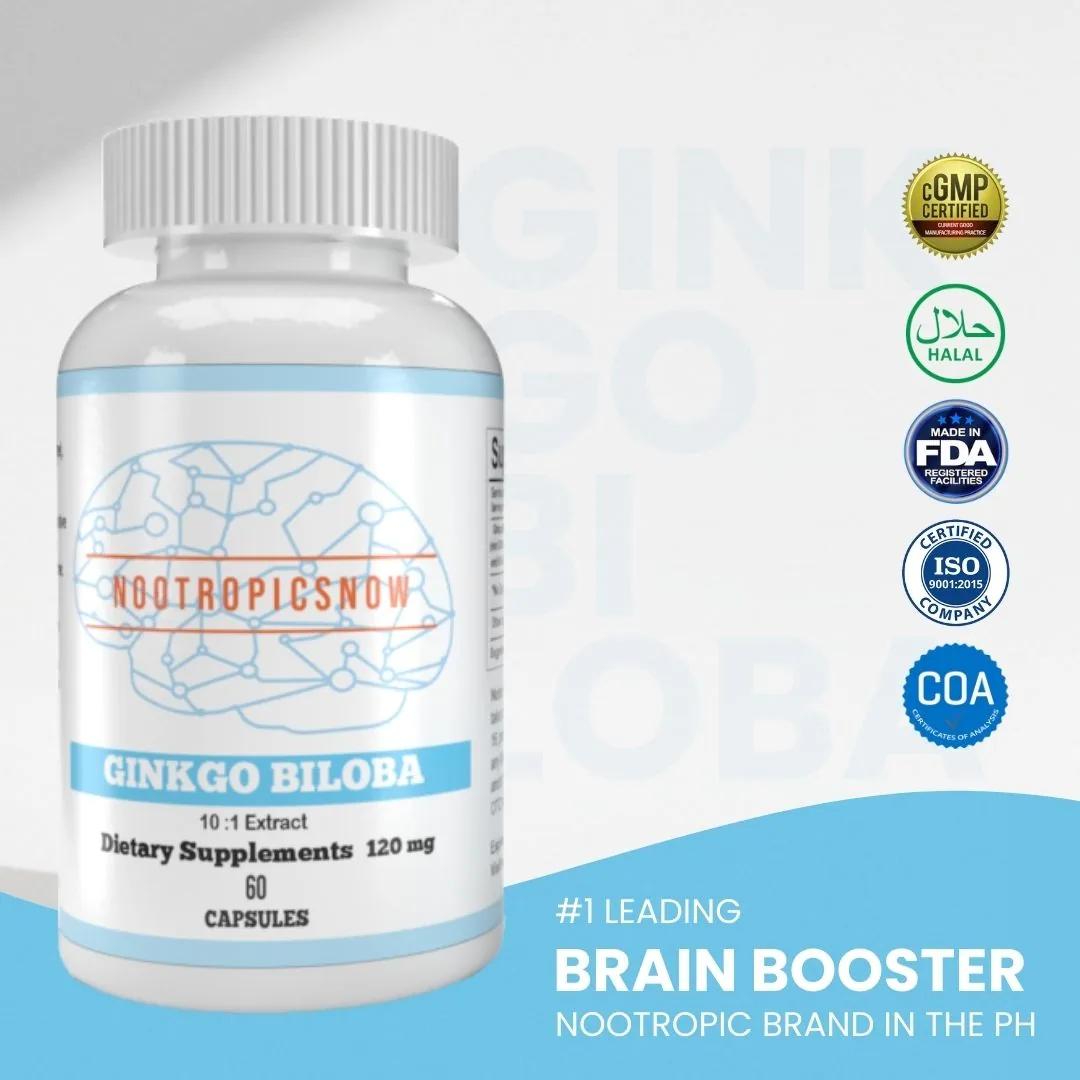
Focus
Last reviewed May 2, 2026
Occasional emails. Unsubscribe anytime.
TL;DR
In the Philippines, shoppers comparing brain supplements often want two things at once: practical day-to-day focus support and a product that feels reasonable to buy locally. That makes it worth separating marketing language from the research on cognitive enhancers, because the category is broad and the evidence is uneven. 41
When people search for the best nootropics for focus and memory, they are usually looking for substances used with the goal of supporting thinking, learning, memory, attention, and vigilance. Reviews also describe nootropics as a heterogeneous group, with different subgroups and different use patterns depending on the compound. 14
That matters because “focus support” and “memory support” are related but not identical goals. A person studying for exams may want sharper attention and mental endurance during long review sessions, while another may care more about recall or learning efficiency. Review literature on cognitive enhancers discusses these outcomes separately, which is a useful reminder that the same product may not be the best fit for every user. 14
It is also important to know that a large share of the natural-nootropic conversation comes from plant-derived ingredients. One systematic review says the plant kingdom provides most of the currently available nootropics of natural origin, and another review describes plant-based nootropics as a diverse group of natural drugs with potential effects on cognition. 25
For that reason, a lot of readers begin with plant-based options before moving into more specialized categories. That does not mean plant-based automatically equals better, only that they are a major part of the current landscape and often the easiest place to start comparing. 2
The best nootropic is the one that matches the outcome you care about most. Reviews of cognitive enhancers repeatedly frame these products around different goals such as attention, learning, memory, executive function, and vigilance, so it helps to define your target before you compare labels. 14
If your main goal is focus, it is reasonable to look for products that are positioned around alertness, sustained attention, or mental stamina. If your main goal is memory, you may want to compare products that are marketed for recall, learning support, or broader cognitive support. The category is broad enough that product labels often reflect intended use rather than a guaranteed effect. 4
Another practical way to think about the category is by user context. University-student literature shows that many people explore cognitive enhancers as study aids, while reviews of healthy users note interest in memory, attention, learning, executive functions, and vigilance. Those are not identical populations or goals, which is why one person’s favorite product may feel underwhelming to someone else. 61
If you are shopping with a conservative mindset, it often makes sense to compare ingredients first and branding second. That is especially true in the natural-nootropic space, where a large part of the category is plant-derived and the evidence can differ substantially by ingredient. 2
Plant-derived nootropics are a major part of the natural-nootropic landscape. A systematic review specifically notes that the plant kingdom provides most of the currently available nootropics of natural origin, and a separate review describes this group as diverse and still being studied for effects on human cognition in health and disease. 25
Mechanistically, plant-based ingredients are often discussed in terms of antioxidant activity, blood-flow related effects, and other physiological pathways that may support brain function. One review says many plant-based formulations possess antioxidant activity that protects brain tissue from neurotoxicity and improves blood rheology, while food-based nootropics are discussed in the context of age-related memory decline and oxidative stress. 53
That does not mean every plant-based nootropic works the same way. The review literature is clear that evidence varies by ingredient, so a product can be “natural” without being equally compelling for every goal. In practice, that means you should look at the specific plant, not just the category label. 2
For shoppers who want to start gently, plant-derived options often serve as a first comparison point because they are familiar, widely discussed, and usually easier to understand than synthetic classes. That said, “gentler” is a shopping impression, not a clinical conclusion, so it is still worth checking tolerability and the rest of the label. 24
If you want a plant-based first comparison for memory and focus support, ginkgo is one of the simplest names to review before you move to more specialized compounds.
Reviews separate prescription cognitive enhancers from other nootropics because their use patterns, effects, and side effects differ. That distinction matters when you are comparing a general supplement shelf against compounds that sit closer to classic cognitive-enhancer discussions. 46
University-student research shows that cognitive enhancers are often used as study aids, and the literature includes both prescription and non-prescription examples. In that same broad review space, healthy users are described as taking these products to improve memory, attention, learning, executive functions, and vigilance, which shows how wide the category can be. 61
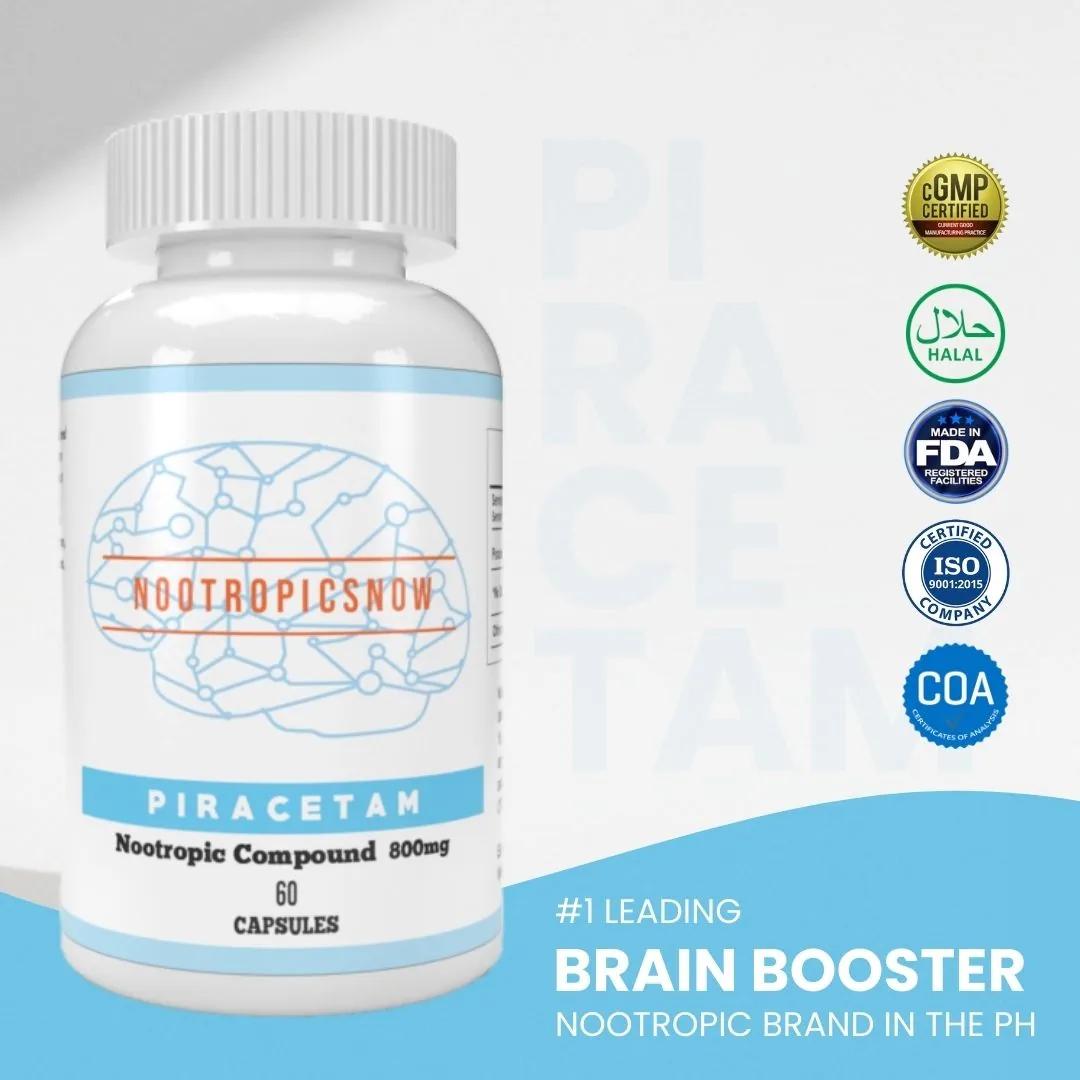
For readers comparing classic memory-and-focus nootropics, piracetam is often part of that discussion because it appears in review literature on study aids and cognitive enhancers. Sellers position piracetam as a more established cognitive-enhancer style option rather than a casual wellness supplement, so it makes sense to compare it carefully against lower-intensity alternatives. 64
If you are comparing a piracetam-style option, focus on the exact product details, how you plan to use it, and whether the listing matches your intended goal.
This category is broad enough that product labels can look confusing at first. Review articles describe nootropics as a heterogeneous group divided into multiple subgroups, and healthy-user discussions often group them by intended outcome such as memory, attention, learning, or vigilance. 41
That is why you will often see product pages built around a simple promise like “focus,” “memory,” or “study support,” even when the underlying ingredient class is very different. One review explicitly notes that the category includes both classical nootropic compounds and substances that increase brain metabolism or have cholinergic activity, which is a reminder to read labels closely. 4
You may also see products discussed in relation to aging, mild cognitive impairment, or more general cognitive support. A review on L-alpha-GPE notes nootropics with cholinergic activity as promising interventions in symptomatic pre-dementia stages, while another review describes cognitive impairment in opioid use disorder as a setting where nootropics may have a role in targeted management. Those are very different contexts from everyday study use, so they should not be blended together. 78
For shoppers, the practical takeaway is simple: look at the ingredient type, the intended outcome, and the context in which the compound is usually discussed. That gives you a much better comparison framework than the word “nootropic” alone. 41
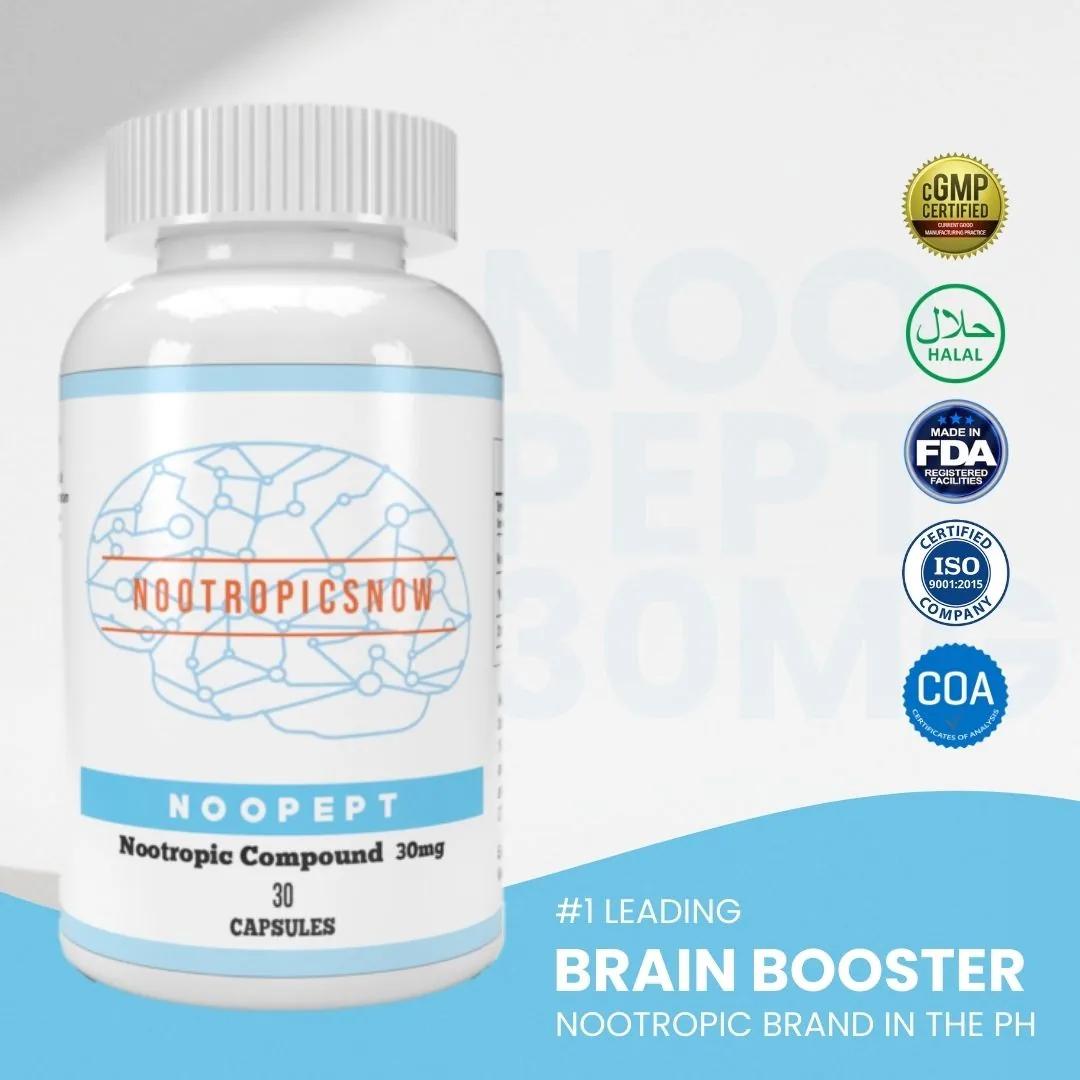
If you are specifically comparing newer focus-and-memory products, Noopept is commonly discussed in that narrower space and belongs in a side-by-side comparison with other cognitive enhancers.
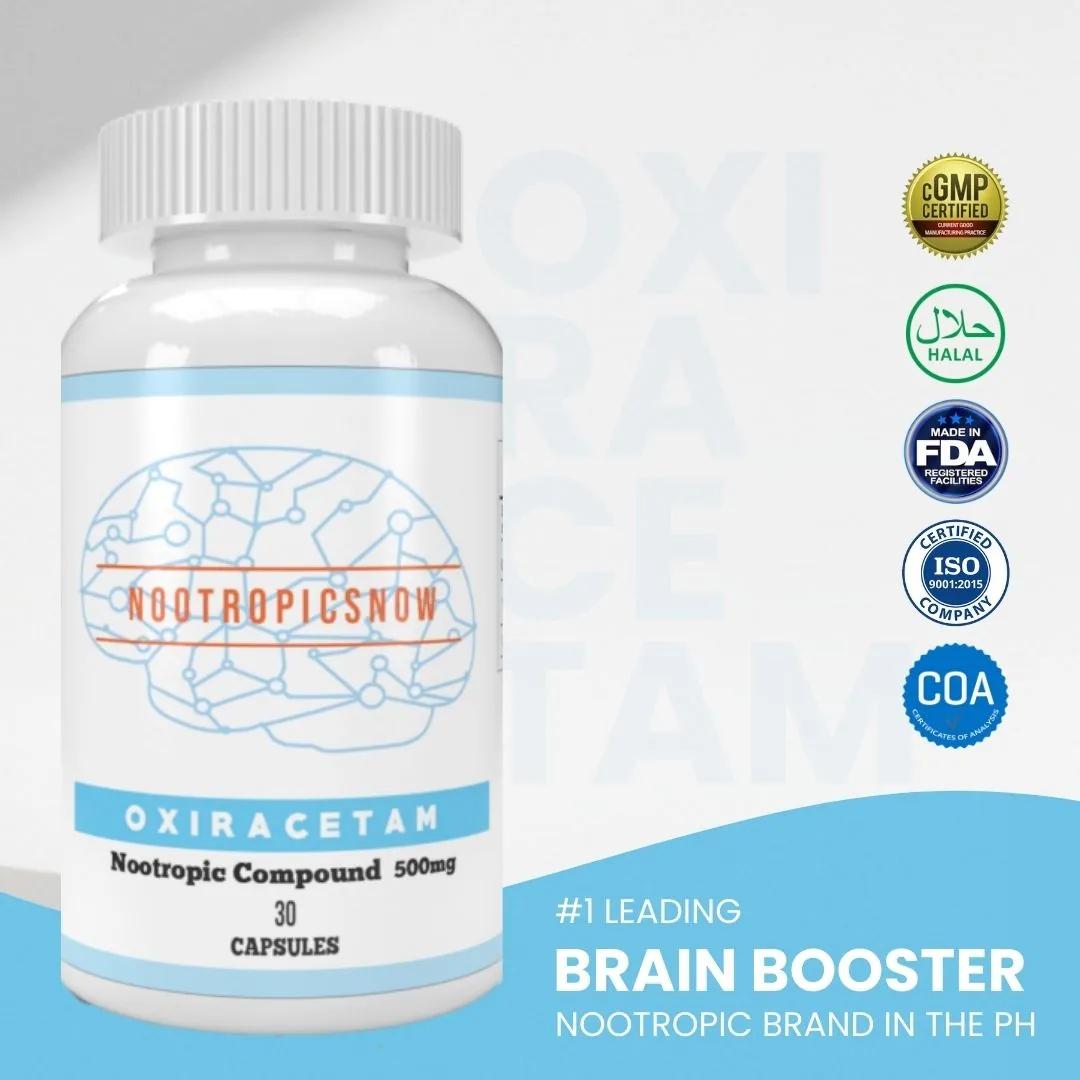
If you are comparing another classic option in the same focus-and-memory lane, oxiracetam is also part of that broader cognitive-enhancer conversation.
Start with the goal, not the marketing. Reviews recommend thinking about whether you want attention support, recall support, learning support, or broader mental stamina, because the evidence and positioning differ across nootropics. 41
Next, look at ingredient type. Plant-derived products are a large part of the natural-nootropic category, while other products sit closer to classical or prescription-style cognitive enhancer discussions. That distinction can help you avoid comparing apples to oranges. 24
Then check the product page details: serving size, ingredient transparency, and the rest of the label matter more than a vague promise about “brain power.” Reviews of cognitive enhancers emphasize the heterogeneity of the category, and that is exactly why a careful label read is more useful than a broad category label. 4
If you are choosing for study sessions, it also helps to think about your routine. Students often use these products as study aids, which means timing, tolerance, and how a product fits with sleep and workload are practical considerations, even when the core goal is focus or memory. 6
For readers in the Philippines, it is worth checking the product page, shipping notes, and checkout flow before ordering. Local availability can vary by SKU, and the simplest purchase is usually the one where the listing, delivery option, and payment flow are easy to verify. 6
The current literature supports a cautious view. Reviews describe nootropics as a diverse group with potential effects on cognition, but they also make clear that the evidence differs by ingredient, by population, and by target outcome. 42
That means you should be careful about assuming that a product used for memory in one context will do the same thing for focus in another. Healthy-user reviews note that efficacy in impaired populations is often better established than effects in non-impaired brains, which is one reason not to overread product marketing. 1
It is also fair to say that some nootropics are discussed more often in specific settings, such as age-related decline or other cognitive impairment contexts. That does not make them irrelevant to healthy users, but it does mean the strongest discussion for a given ingredient may come from a narrower research setting than the one you personally care about. 378
A cautious buyer therefore asks three questions: what is the ingredient, what outcome is it usually studied for, and does the label match the use case you actually have? That approach keeps you grounded in the evidence without expecting every brain supplement to do the same job. 41
The best option depends on whether you want attention support, recall support, or a broader study-aid style product. Reviews describe nootropics as a mixed category, so the most useful approach is to match the product type to the goal. 4
Plant-derived nootropics make up a large share of the natural-nootropic category, and reviews describe them as a major area of interest for cognition support. 2
The evidence is not identical across outcomes. Some products are discussed more for attention and vigilance, while others are studied more for learning or memory. 1
They overlap heavily in online discussion. University-student research often uses the terms cognitive enhancers, study aids, and nootropics in related ways. 6
Yes, readers in the Philippines should check the product page, shipping details, and checkout options before ordering. Local availability can vary by SKU. 6
Start with the target goal, the ingredient type, and whether the product is plant-derived or another category discussed in the evidence. 4
If you want a simple plant-based starting point, ginkgo is a reasonable first comparison for memory and focus support.
This article is for educational purposes only. It is not medical advice, not a substitute for professional consultation, and is not intended to diagnose, treat, cure, or prevent any disease.
Statements about dietary supplements have not been evaluated by the FDA. Individual results vary. Consult a licensed physician before starting any new supplement — especially if you are pregnant, breastfeeding, have a medical condition, or are taking prescription medication.
Quality and sourcing information is available on our quality page. Batch-level lab test data is available on request — contact support.
Last reviewed: 2026-05-02
Fabrizio Schifano, Valeria Catalani, Safia Sharif. Benefits and Harms of 'Smart Drugs' (Nootropics) in Healthy Individuals.. Drugs (2022). https://pubmed.ncbi.nlm.nih.gov/35366192/
Cristina Lorca, María Mulet, Catalina Arévalo-Caro. Plant-derived nootropics and human cognition: A systematic review.. Critical reviews in food science and nutrition (2023). https://pubmed.ncbi.nlm.nih.gov/34978226/
Adejoke Yetunde Onaolapo, Adebimpe Yemisi Obelawo, Olakunle James Onaolapo. Brain Ageing, Cognition and Diet: A Review of the Emerging Roles of Food-Based Nootropics in Mitigating Age-related Memory Decline.. Current aging science (2019). https://pubmed.ncbi.nlm.nih.gov/30864515/
Matěj Malík, Pavel Tlustoš. Nootropics as Cognitive Enhancers: Types, Dosage and Side Effects of Smart Drugs.. Nutrients (2022). https://pubmed.ncbi.nlm.nih.gov/36014874/
Matěj Malík, Pavel Tlustoš. Nootropic Herbs, Shrubs, and Trees as Potential Cognitive Enhancers.. Plants (Basel, Switzerland) (2023). https://pubmed.ncbi.nlm.nih.gov/36987052/
Safia Sharif, Amira Guirguis, Suzanne Fergus. The Use and Impact of Cognitive Enhancers among University Students: A Systematic Review.. Brain sciences (2021). https://pubmed.ncbi.nlm.nih.gov/33802176/
G Biggio, I Di Fazio, C Martini. Cognitive function modulation during aging: a focus on L-alpha-GPE.. European review for medical and pharmacological sciences (2021). https://pubmed.ncbi.nlm.nih.gov/33877665/
Gayatri Bhatia, Ragul Ganesh, Alok Kulkarni. Cognitive impairment in opioid use disorders: Is there a case for use of nootropics?. Psychiatry research (2023). https://pubmed.ncbi.nlm.nih.gov/37459675/