Starter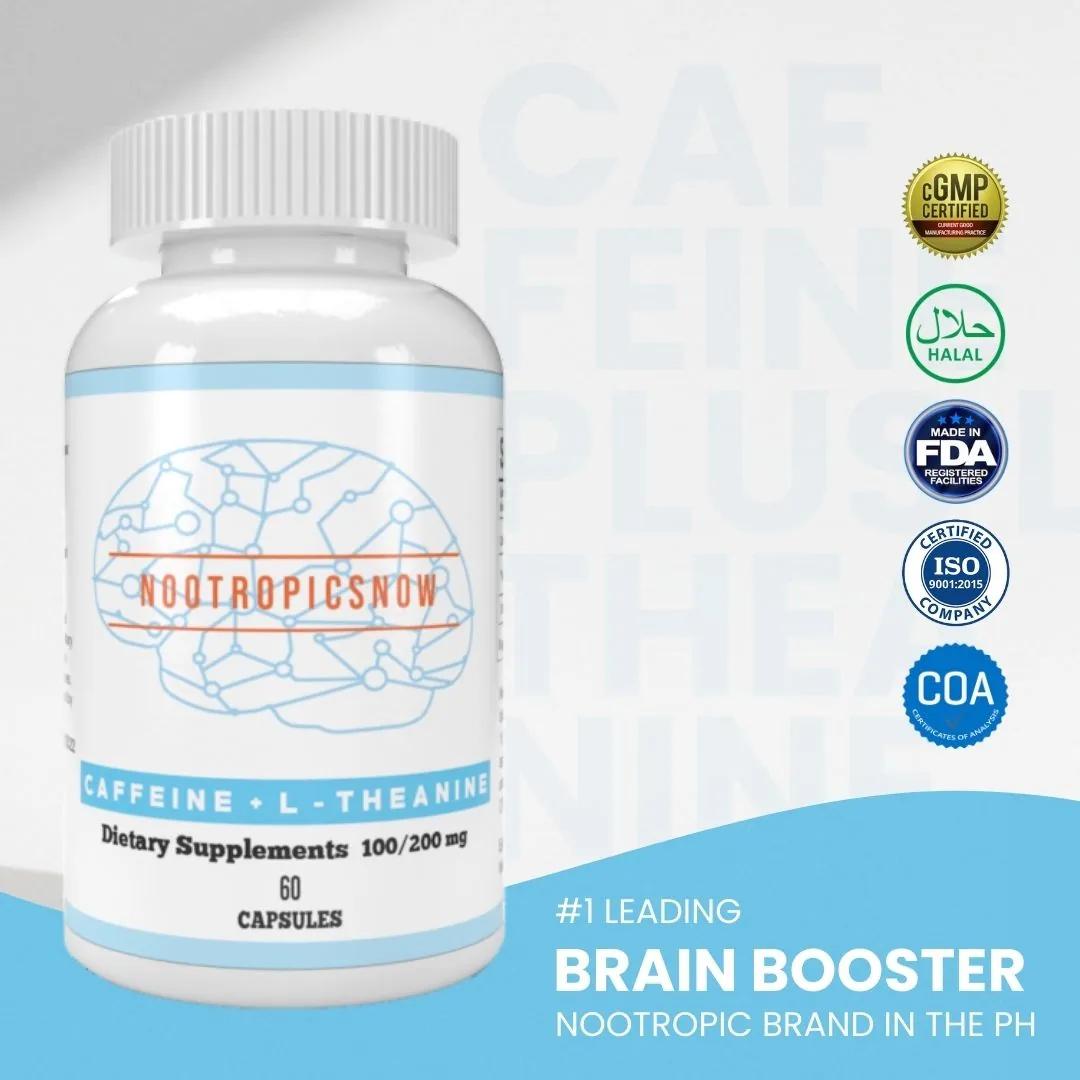
Focus
Last reviewed April 19, 2026
Occasional emails. Unsubscribe anytime.
The caffeine L-theanine stack combines caffeine and L-theanine, two compounds naturally found in tea and used together in supplement form.1 Caffeine is also found in coffee, while L-theanine is an amino acid associated with tea.3 Interest in this stack is driven by its use for attention, alertness, and a calmer-feeling form of stimulation.1
In practice, the stack is usually discussed as a “calm focus stack” or “jitter-free energy” option. Those phrases are not clinical terms, but they reflect a common goal: getting the alerting effect people expect from caffeine while trying to make the experience feel less harsh. The idea is not to eliminate stimulation; it is to shape it into something that feels more usable for work, study, or mentally demanding tasks.41
Because both ingredients occur naturally in tea, the stack is often framed as a tea-based nootropic stack. That framing makes sense, but the tea analogy can be misleading if it suggests every cup behaves the same way. Tea composition varies widely, which matters if you are trying to use caffeine and L-theanine for a consistent focus routine.25
Caffeine is widely used to support cognitive performance, but it can also be associated with anxiety and overstimulation in some settings.4 That is the main reason people look for a pairing strategy instead of taking caffeine on its own. L-theanine may help create a calm-yet-focused mental state when paired with caffeine.4
A systematic review and meta-analysis evaluated tea, L-theanine alone, and L-theanine plus caffeine for cognition, mood, and sleep in healthy participants.1 That kind of evidence does not prove that every person will feel the same effect, but it does show why the pairing has attracted sustained interest. The combination is studied not just as an energy aid, but as a way to influence how alertness feels.
This is also where the caffeine theanine ratio matters. In supplement form, the ratio is fixed by the label, which makes the experience more repeatable than trying to build the same effect from tea, coffee, and separate capsules on your own.5 If you already use caffeine but want less of the edgy feeling that sometimes comes with it, theanine is often the ingredient people add first.
A double-blind, placebo-controlled crossover study found that a high-dose L-theanine-caffeine combination improved selective attention measures in acutely sleep-deprived young adults.3 The same study assessed both neurobehavioral reaction time and neurophysiological measures related to attention.3 That matters because attention is not just about “feeling focused”; it can also be measured through performance tasks and brain-based signals.
Evidence syntheses have also examined whether tea bioactives, including L-theanine plus caffeine, affect cognition in healthy participants.1 The overall picture is consistent with why the stack is popular: it is discussed as a focus supplement stack because the ingredients appear to work in a complementary way rather than as a simple one-to-one replacement for caffeine alone.
Still, the research base has limits. Published studies support acute use in specific study designs, but they do not establish a universal best dose for every person.3 That means the stack is best thought of as a practical tool for certain situations, not a guaranteed outcome.
For readers comparing options, a combined formula can be a straightforward place to start:
| Ingredient | Typical dose | Effect | Best for |
|---|---|---|---|
| Caffeine | 100 mg | Stimulating | Energy, alertness |
| L-theanine | 200 mg | Calming | Focus, less jitter |
| 1:2 combined | 100 / 200 mg | Clean lift | Deep work sessions |
Tea is a source of both caffeine and L-theanine, and research on tea often focuses on these bioactive components.2 That is one reason the caffeine and L-theanine pairing is sometimes described as tea-like even when it is taken as a capsule.
The amount of caffeine and L-theanine in tea infusions can vary with fermentation degree, brewing temperature, brewing time, and serving format.5 Different tea processing and preparation methods can therefore change the practical balance of these compounds in a cup.5 In other words, two cups of tea can be meaningfully different from one another even if they come from similar leaves.
This variability is useful if you enjoy experimenting with tea, but it is not ideal if your goal is consistency. A serving that is easy to reproduce may be more helpful when you want the same study stack every day. Research on tea infusions shows that preparation conditions can influence the actual content of these compounds, which is why supplement dosing may be easier to control.5
Tea can still be a good option for people who prefer a beverage-based routine. But if your goal is predictable intake before a work block, supplementing L-theanine with a known caffeine source may be more practical than trying to calculate tea strength by taste alone.52
Supplement products in this category commonly use a defined serving size so the caffeine and L-theanine amounts stay consistent.5 A fixed-dose product can be easier to use than brewing tea if you want the same intake each day.5 If you prefer a simpler routine, a two-ingredient capsule can reduce guesswork compared with mixing separate products.5
There is no single ratio that works for everyone, and the cited research does not establish one universal formula.31 Instead, the right caffeine theanine ratio depends on how you respond to caffeine, how much stimulation you want, and whether you already use coffee or tea. Some people want a stronger caffeine-forward feel; others want a gentler lift with less tension.
A few practical ways to compare formulas:
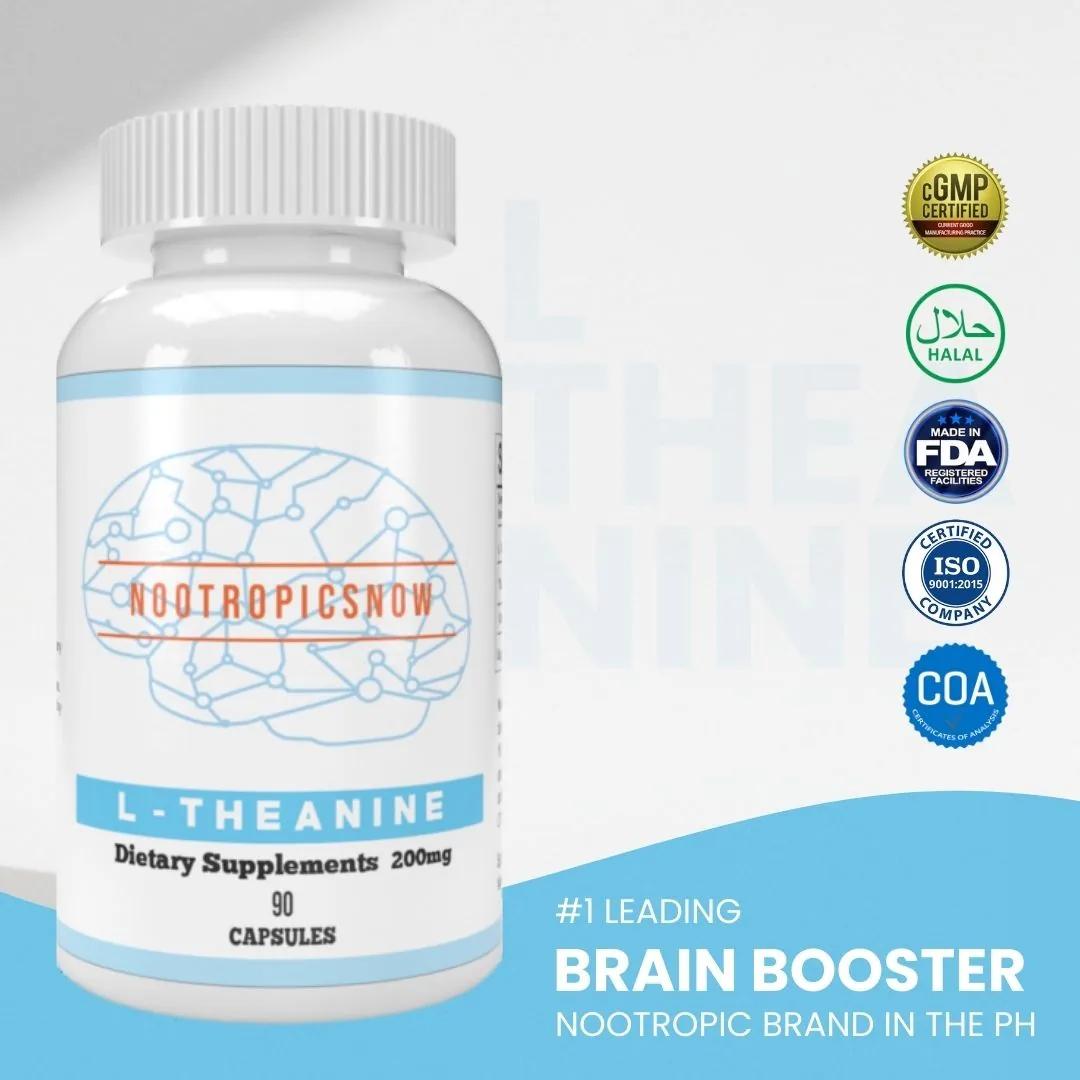
If you already consume caffeine from coffee and just want to add the calming component, a standalone L-theanine product may fit better:
The stack is most often discussed for study, work, and other tasks where sustained attention matters.1 It is also relevant when you want caffeine-led energy but prefer a smoother experience.4
Social discussion around the stack often centers on studying, productivity, and whether it feels less harsh than caffeine alone, but those are user reports rather than clinical outcomes.3
That distinction is important. The research supports attention-related outcomes and subjective calmness as plausible reasons to use the pairing, but it does not promise the same result for every person in every context.31 In practice, the stack tends to fit people who want:
The stack may be less appealing if you are very sensitive to stimulants, if you prefer fully non-stimulant options, or if you already find caffeine comfortable on its own. In those cases, focusing on theanine alone or a different cognitive-support approach may be a better first step.
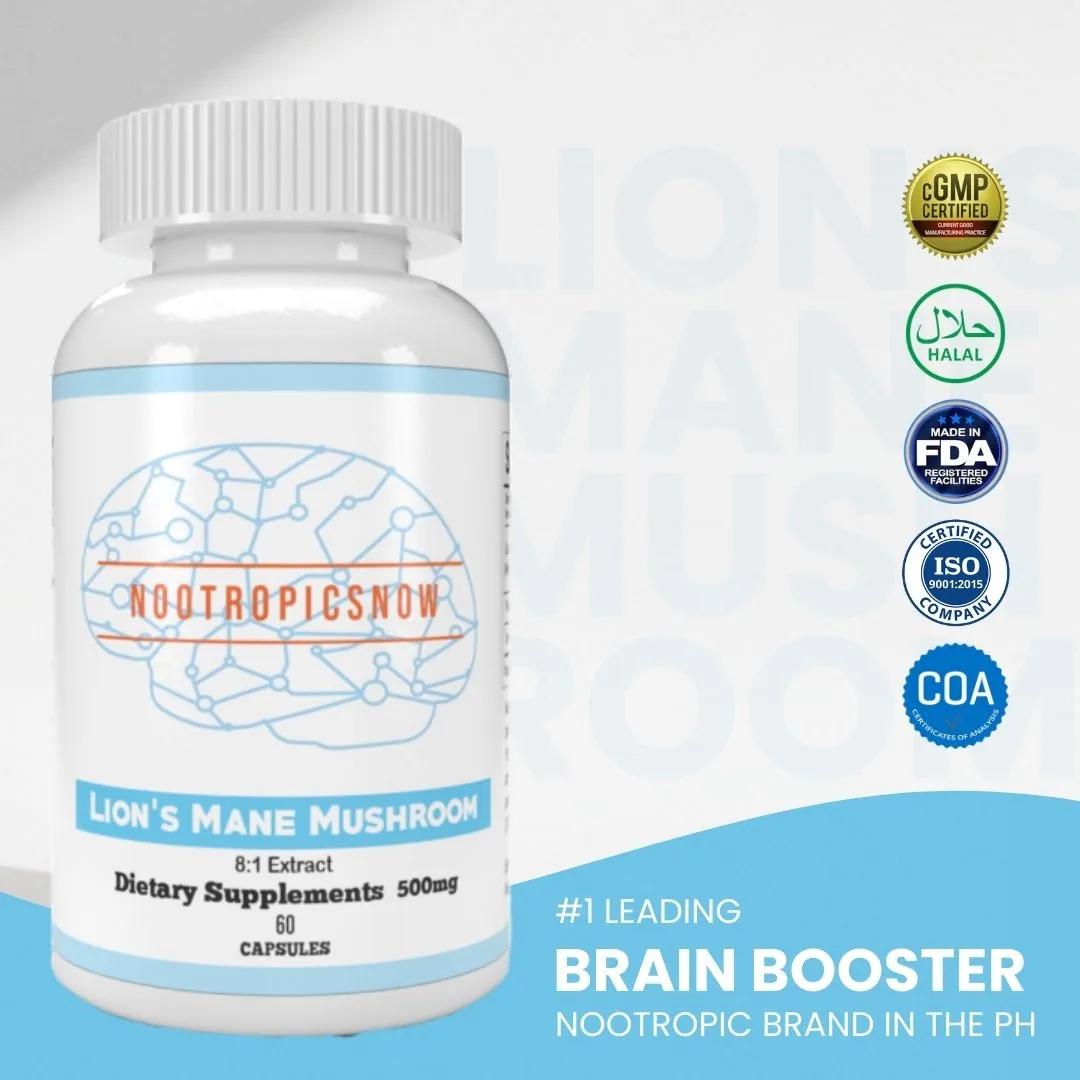
For readers exploring broader cognitive support beyond this stack, a related option is:
Published research supports acute use in specific study designs, but it does not establish a universal best dose for every person.3 If you are caffeine-sensitive, the caffeine component is the part most likely to feel stimulating.4 Because tea-based intake can vary with brewing conditions, supplement dosing may be preferable if consistency matters.5
A sensible way to approach the stack is to start with the simplest possible version of your routine and observe how you respond. If you already drink coffee, consider your baseline caffeine intake before adding another source. That is especially important if your main goal is focus rather than a stronger stimulant effect. Theanine may make the experience feel smoother for some people, but it does not turn caffeine into a non-stimulant.41
A few cautious use principles follow from the evidence:
If you are deciding between a tea routine and a capsule routine, the main tradeoff is consistency versus ritual. Tea offers a familiar beverage format, but the actual content can vary with leaf type and preparation conditions.5 Capsules are less flexible, but they make the caffeine L-theanine stack easier to standardize.
Check the label for the actual amounts of caffeine and L-theanine per serving.5 Look for a formulation that matches your goal, such as a focus-first stack rather than a generic energy product.1 If you want fewer moving parts, a combined capsule may be more convenient than buying separate ingredients.5
When comparing products, it helps to ask a few concrete questions:
If you want a direct, labeled combination, this is the most straightforward fit:
No. Research has focused on attention and cognitive performance in healthy participants, so the use case is broader than studying alone.13
The available research supports pairing the two for a calmer-feeling focus experience, not for eliminating caffeine's stimulating effect.41
That phrase comes from the idea that L-theanine may help offset caffeine-related overstimulation for some people.4
Tea contains both compounds, but their amounts vary with tea type, fermentation, and brewing conditions, so a supplement can be more consistent.52
The cited studies show acute use and longer-form evidence reviews, but they do not establish a single daily protocol that fits everyone.31
Look for a product that lists the caffeine and L-theanine amounts clearly so you can pair it with your existing caffeine intake more predictably.5
Explore the primary caffeine L-theanine stack option here:
This article is for educational purposes only. It is not medical advice, not a substitute for professional consultation, and is not intended to diagnose, treat, cure, or prevent any disease.
Statements about dietary supplements have not been evaluated by the FDA. Individual results vary. Consult a licensed physician before starting any new supplement — especially if you are pregnant, breastfeeding, have a medical condition, or are taking prescription medication.
Quality and sourcing information is available on our quality page. Batch-level lab test data is available on request — contact support.
Last reviewed: 2026-04-19
Edward R Payne, M. Aceves-Martins, Joy Dubost. Effects of Tea (Camellia sinensis) or its Bioactive Compounds l-Theanine or l-Theanine plus Caffeine on Cognition, Sleep, and Mood in Healthy Participants: A Systematic Review and Meta-Analysis of Randomized Controlled Trials. Nutrition reviews (2025). https://pubmed.ncbi.nlm.nih.gov/40314930/
Daniel Hinojosa-Nogueira, Sergio Pérez-Burillo, Silvia Pastoriza. Green and white teas as health-promoting foods. Food & Function (2021). https://doi.org/10.1039/d1fo00261a
Gayani S. Nawarathna, D. Ariyasinghe, T. Dassanayake. High-dose L-theanine–caffeine combination improves neurobehavioural and neurophysiological measures of selective attention in acutely sleep-deprived young adults: a double-blind, placebo-controlled crossover study. British Journal of Nutrition (2025). https://pubmed.ncbi.nlm.nih.gov/40789769/
Rouzbeh Razazan, Mohammad Hemmatinafar, Babak Imanian. Performance-enhancing effects of caffeine and L-Theanine among Iranian elite wrestlers: a focus on cognitive and specific physical performance. Journal of the International Society of Sports Nutrition (2025). https://pubmed.ncbi.nlm.nih.gov/40977612/
Gamze Ayakdaş, D. Ağagündüz. Determination of L-Theanine and Caffeine Contents in Tea Infusions with Different Fermentation Degrees and Brewing Conditions Using the Chromatographic Method. Foods (2025). https://pubmed.ncbi.nlm.nih.gov/40647065/