
Optimized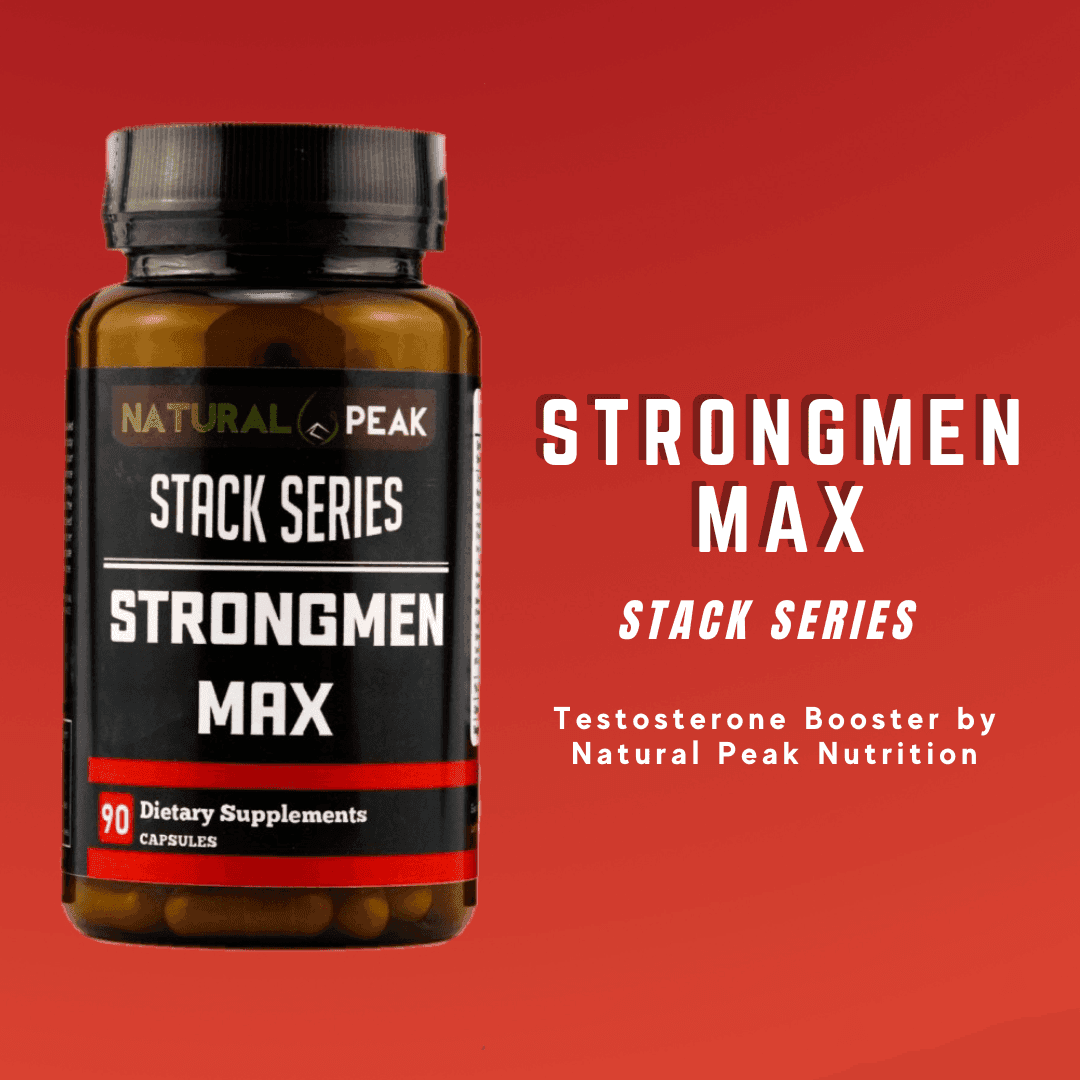
Sexual Performance
Last reviewed May 4, 2026
Occasional emails. Unsubscribe anytime.
TL;DR
In the Philippines, shoppers comparing testosterone support supplements usually want two things at once: something practical to buy, and something that does not oversell what it can do.
Testosterone support supplements sit in a narrower lane than many marketing pages suggest. If a person has true testosterone deficiency, the condition is a clinical syndrome defined by persistently low serum testosterone in the setting of symptoms that fit the picture.1 That matters because it keeps the conversation grounded: supplements can be part of a support plan, but they are not a shortcut around diagnosis when symptoms are ongoing or significant.4
The evidence base also makes an important distinction between organic hypogonadism and functional or age-related low testosterone. Organic hypogonadism due to irreversible hypothalamic-pituitary-testicular pathology is clearly diagnosed and managed differently, while controversy remains around prescribing testosterone to symptomatic men with low testosterone but no identifiable axis pathology and with factors such as obesity, type 2 diabetes, or ageing in the background.4 In other words, the same symptom set can come from different root causes.
For age-related decline specifically, the literature does support that testosterone levels can fall with age, but the benefits of intervention are usually described as modest rather than dramatic.52 That is why a sensible supplement discussion should use words like support, fit, or adjunct, not promises. If your issue is fatigue, libido, mood, or training recovery, a product may be useful as one piece of a broader plan; if your symptoms are persistent, the better first step is still a clinical workup and labs.3
A testosterone-support routine makes the most sense when the symptom pattern overlaps with what clinicians see in testosterone deficiency: decreased libido, erectile dysfunction, depressed mood, loss of muscle or bone mass, anemia, and low energy can all appear in the same conversation.6 These symptoms are not specific to testosterone, but they are the reason some people start looking for a supplement in the first place.5
That overlap is also why age alone is not a diagnosis. Age-related testosterone decline is real, but not every complaint in midlife or later means testosterone is the cause.5 Sleep disruption, excess body fat, poor nutrition, overtraining, stress, thyroid issues, and other endocrine factors can all make the picture look similar. Thyroid function, for example, has been studied for its associations with sex hormones and sexual function, which is a reminder that testosterone is only one piece of the hormonal puzzle.7
If you are trying to decide whether to buy a supplement or book a lab test, a good rule is to ask three questions: Are symptoms persistent? Are they broad enough to suggest more than one possible cause? And am I trying to solve a root issue or just looking for a quick lift? Guidelines on functional hypogonadism emphasize diagnosis based on both symptoms and biochemical findings, which is exactly why random product hopping is usually a poor strategy.3
When people do want a formula that is positioned for daily support, a dedicated testosterone product is often easier to evaluate than a crowded multi-purpose blend. For readers who want a simple example of that style of positioning, natural-peak-nutrition-strongmen-max-testosterone-booster is sold as a testosterone-centered option for energy and recovery.
Most testosterone-support formulas combine one of three ideas: they try to support nutrient status, they try to fit a symptom cluster, or they borrow credibility from hormone-related ingredients even when evidence is limited. Because product formulas vary so much, the label matters more than the marketing headline.
Some ingredients appear in the literature because they are tied to sexual function rather than testosterone itself. DHEA, for example, has been reviewed in relation to erectile function.8 That does not make it a universal choice, and it does not mean every person with low libido should reach for it. It does mean that some formulas are built around a sexual-function angle rather than a direct testosterone-replacement angle.
Thyroid status is another reason ingredient stacks can be misleading. Since hypothyroidism and hyperthyroidism have been studied in relation to sex hormones and sexual dysfunction, a supplement that ignores broader endocrine health may miss the real issue.7 This is one reason the best labels are often the simplest ones: clear ingredients, clear amounts, and a clear use case.
If a formula is built around workouts, recovery, or general vitality, you should expect a marketing claim that sounds broad rather than a medical claim that sounds definitive. That is normal. What matters is whether the blend makes sense for the intended outcome and whether the ingredients are disclosed plainly enough for you to compare products responsibly.3
The easiest way to narrow the field is to start with the outcome you care about most.
If fatigue and sluggish training sessions are the problem, an energy-first product may be more relevant than a generic testosterone blend. If gym performance and soreness are the main issue, recovery positioning may fit better. If libido or erection support is the priority, a sexual-performance angle may be more appropriate. TRT reviews describe decreased libido, erectile dysfunction, depressed mood, and loss of muscle and bone mass as the symptom cluster clinicians try to improve, which is why the goal should shape the product choice.6
This is also where realistic expectations matter. In age-related low testosterone, several well-conducted trials have shown modest efficacy rather than sweeping changes, with improvements in sexual function, mood, bone density, and anemia described as relatively small on average.2 So if a product claims to deliver a dramatic overnight shift, that should be a red flag. A better question is whether the formula is likely to help you feel a little more supported while you work on sleep, nutrition, body composition, stress, and exercise.
Label discipline is especially important because many products are sold as “booster” formulas even when their ingredient profile is broader or less focused. Functional hypogonadism guidance also emphasizes proper investigation rather than assuming one supplement fits every case.3 In practice, the better stack is usually the one that is narrow enough to understand and sensible enough to repeat consistently.
That is why a testosterone-centered product can be useful as a practical example of goal-based shopping. natural-peak-nutrition-strongmen-max-testosterone-booster is marketed as a testosterone-support formula, which can make it easier to compare against your goals for daily energy and training recovery. natural-peak-nutrition-strongmen-max-testosterone-booster
A recurring problem in this category is the gap between internet enthusiasm and clinical data. Reviews and short-form videos often present hormones as if they can be fixed quickly with one bottle, but the literature on age-related low testosterone is much more restrained. Population studies suggest the syndromic prevalence of age-related low testosterone is relatively low, and trial results are generally described as modest.2
That does not mean supplements are useless. It means the expected effect size is usually limited, and the outcome depends on context. A person with poor sleep, heavy training, inadequate calories, or a nutrient gap may feel a meaningful difference from a well-matched product, while someone whose main issue is an endocrine disorder may need a medical evaluation instead.43
Be cautious with marketing language that implies certainty. If a brand makes the product sound like a guaranteed shortcut to masculinity, endurance, or libido, it is probably leaning on aspiration more than evidence. Better language sounds ordinary: support, maintenance, and alignment with a specific goal. That style is more consistent with the evidence base and with how clinicians think about functional hypogonadism and symptom overlap.45
For PH readers, this is also the point where shopping context matters. If a product is available through local Philippine shipping or delivery within the Philippines, that can be convenient, but convenience should not outrank label quality or a sensible symptom match.
Start with your reason for buying. If your main issue is low energy, choose an energy-oriented product. If recovery is the bigger limiter, choose a recovery-oriented one. If the issue is libido, choose a formula that is at least positioned for sexual performance support. TRT guidance describes symptom targets such as libido, erectile function, mood, anemia, and lean mass, so there is no reason to buy blindly when your own priority is specific.6
Next, look for a transparent ingredient list. Avoid proprietary blends that hide amounts, and be wary of formulas that pack in many ingredients without showing how each one is dosed. The more complicated the label, the harder it is to tell whether the product is built for a real-world use case or for marketing copy. Guidelines for functional hypogonadism emphasize investigation and monitoring, which is a good reminder that clarity beats drama.3
Then consider whether the product is being sold as a general wellness item or as a testosterone-support formula. That distinction matters because it tells you whether the brand is making a clinical-style claim or simply positioning the item as part of a broader male vitality routine. In the case of DHEA-related and thyroid-adjacent discussions, the literature supports caution and context, not one-size-fits-all conclusions.87
If your symptoms are persistent, severe, or changing, supplements should sit alongside a proper medical workup, not replace it. Testosterone deficiency is still defined by symptoms plus low serum testosterone, and functional hypogonadism needs diagnosis rather than guesswork.13
Do testosterone-support supplements actually work?
They may help in specific situations, especially when the issue is tied to a nutrient gap, recovery needs, or a symptom pattern that overlaps with low testosterone. The evidence is not uniform, and benefits are often modest.2
What is the best supplement category for low energy and workouts?
For many readers, an energy- or recovery-oriented product makes more sense than a generic testosterone booster, especially when fatigue and training recovery are the main concerns.6
Can a supplement replace testosterone therapy?
No. Testosterone deficiency is a clinical issue defined by symptoms plus persistently low serum testosterone, and treatment decisions should be based on proper evaluation.1
Why do some experts say the results are underwhelming?
Because studies in age-related low testosterone often show modest changes rather than dramatic improvements, and not all symptoms are caused by testosterone in the first place.25
Can I buy testosterone-support supplements in the Philippines?
Yes, many shoppers look for online retail options with local Philippine shipping, but it is still smart to compare labels, goals, and product quality before ordering.
Should I stack several booster products together?
Usually not at first. It is easier to judge results when you start with one well-matched product instead of combining multiple formulas at once.3
If you want a straightforward testosterone-support option and your main goal is daily energy with training support, natural-peak-nutrition-strongmen-max-testosterone-booster is the most direct match in this guide.
This article is for educational purposes only. It is not medical advice, not a substitute for professional consultation, and is not intended to diagnose, treat, cure, or prevent any disease.
Statements about dietary supplements have not been evaluated by the FDA. Individual results vary. Consult a licensed physician before starting any new supplement — especially if you are pregnant, breastfeeding, have a medical condition, or are taking prescription medication.
Quality and sourcing information is available on our quality page. Batch-level lab test data is available on request — contact support.
Last reviewed: 2026-05-04
Joel J Heidelbaugh, Aleksandr Belakovskiy. Testosterone Replacement Therapy for Male Hypogonadism.. American family physician (2024). https://pubmed.ncbi.nlm.nih.gov/38905552/
Maria Gabriela Figueiredo, Thiago Gagliano-Jucá, Shehzad Basaria. Male Reproduction and Aging.. Endocrinology and metabolism clinics of North America (2023). https://pubmed.ncbi.nlm.nih.gov/36948776/
Giovanni Corona, Dimitrios G Goulis, Ilpo Huhtaniemi. European Academy of Andrology (EAA) guidelines on investigation, treatment and monitoring of functional hypogonadism in males: Endorsing organization: European Society of Endocrinology.. Andrology (2020). https://pubmed.ncbi.nlm.nih.gov/32026626/
Nipun Lakshitha De Silva, Nikoleta Papanikolaou, Mathis Grossmann. Male hypogonadism: pathogenesis, diagnosis, and management.. The lancet. Diabetes & endocrinology (2024). https://pubmed.ncbi.nlm.nih.gov/39159641/
Haoyang Cheng, Xiaoyan Zhang, Yongheng Li. Age-related testosterone decline: mechanisms and intervention strategies.. Reproductive biology and endocrinology : RB&E (2024). https://pubmed.ncbi.nlm.nih.gov/39543598/
Arcangelo Barbonetti, Settimio D'Andrea, Sandro Francavilla. Testosterone replacement therapy.. Andrology (2020). https://pubmed.ncbi.nlm.nih.gov/32068334/
Alisa D Kjaergaard, Eirini Marouli, Areti Papadopoulou. Thyroid function, sex hormones and sexual function: a Mendelian randomization study.. European journal of epidemiology (2021). https://pubmed.ncbi.nlm.nih.gov/33548002/
Ahmed I El-Sakka. Dehydroepiandrosterone and Erectile Function: A Review.. The world journal of men's health (2018). https://pubmed.ncbi.nlm.nih.gov/29756417/