Starter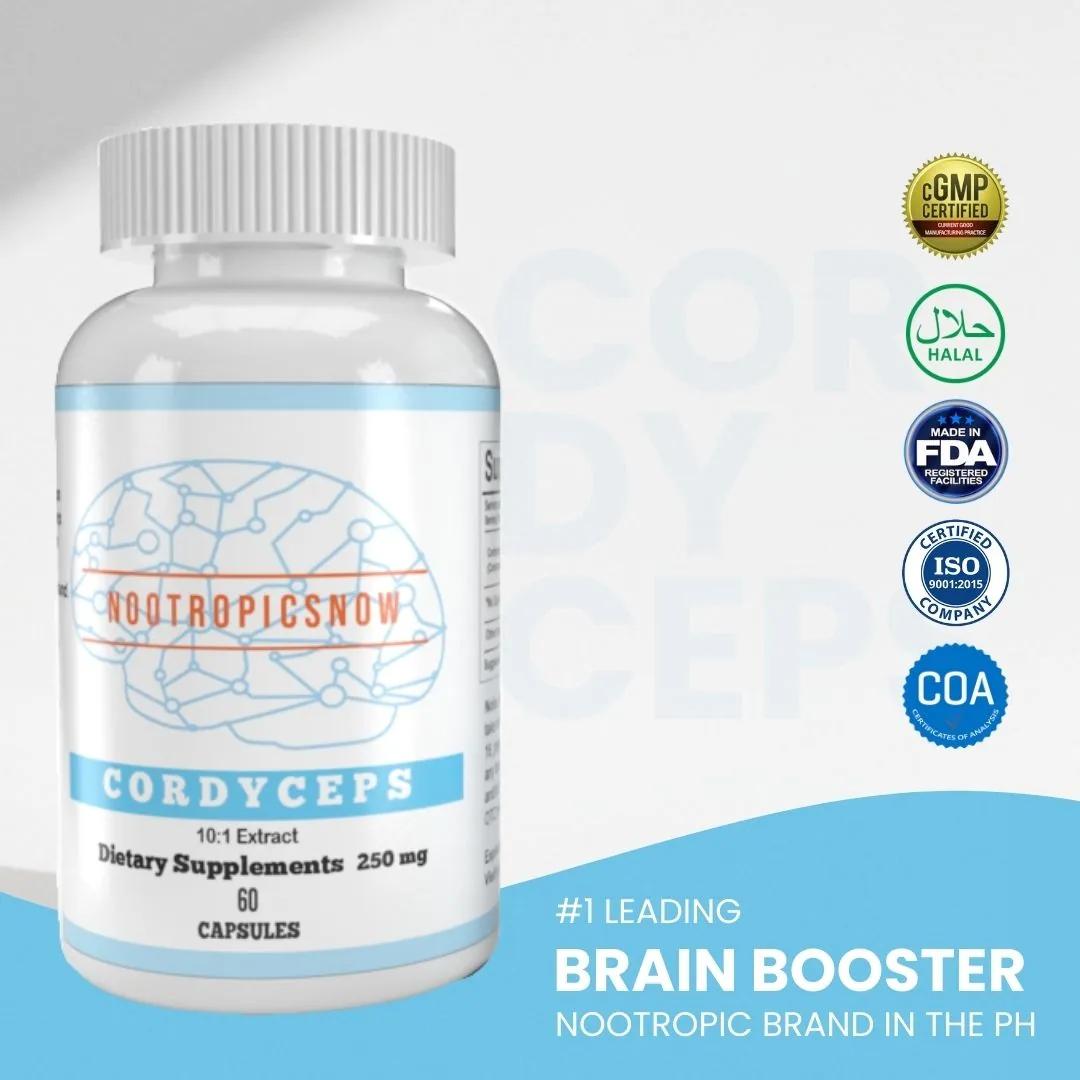
Energy
Last reviewed May 1, 2026
Occasional emails. Unsubscribe anytime.
TL;DR
In the Philippines, shoppers comparing energy supplements usually want one of three things: more alertness, better workout output, or a basic nutritional backstop for low intake. The hard part is sorting useful support from marketing language, especially when a label promises more than the ingredient can reasonably do.
Energy supplements are best understood as tools for support, not as instant fixes. Reviews of fatigue note that fatigue is an overwhelming sustained feeling of exhaustion and diminished capacity for physical and mental work, and they emphasize that a comprehensive medical work-up is needed when fatigue persists. 1 That matters because a supplement may help if the issue is poor sleep, under-fueling, or low nutrient intake, but it will not explain every cause of tiredness.
A second point is that “energy” can mean different things. Some products are aimed at physical performance, where the goal is to delay fatigue during training or sport. Other products are more about normal energy-yielding metabolism, where vitamins and minerals help the body run the biochemical pathways that support cellular function. 5 Those are related ideas, but they are not the same thing.
That distinction helps set expectations. If you want a pre-workout effect, ingredients with sport data are a better match than a broad wellness blend. If you want a foundational formula because your diet is inconsistent, vitamins and minerals may make more sense. But if you have ongoing fatigue, even the best energy supplements should sit alongside a proper evaluation of sleep, recovery, medications, and other health factors. 1
Caffeine is the most straightforward ingredient in this category. A sport-focused review says scientific evidence supports caffeine for improving high-intensity endurance exercise, explosive and high-intensity efforts, resistance exercise, team sports, and combat sports, while also noting that individual response varies. 2 For readers who want a noticeable acute effect, that profile is usually easier to understand than a multivitamin-style blend.
That said, caffeine is not just about “feeling awake.” In practice, it is often used when the goal is to improve workout effort, mental drive, or perceived exertion. Because response varies, the same dose may feel strong for one person and modest for another. The review also notes caffeine can be taken in many forms, which is why capsules, powders, coffee-based products, and pre-workouts all compete in the same space. 2
Creatine monohydrate is different. It is not a stimulant, and it does not work by making you feel wired. A recent review says creatine monohydrate is widely used in high-intensity, power-based sports because it can enhance short-term performance by increasing intramuscular phosphocreatine stores, which aid ATP resynthesis during intense muscle contractions. 3 That makes creatine more relevant for repeated bursts, resistance training, and strenuous sessions than for a quick daytime lift.
B vitamins are often sold as “energy” nutrients, but the mechanism is more basic and more limited. A randomized trial abstract explains that B vitamins play a crucial role in fundamental cellular functions and metabolic pathways, and that they do not directly provide energy even though each B vitamin acts as a cofactor in energy metabolism processes. 4 In other words, B vitamins support the machinery that turns food into usable cellular energy, but they are not a stimulant.
This is why B-complex formulas can feel underwhelming if your expectation is an immediate buzz. They may be most relevant when intake is low or when a person’s diet does not consistently cover the basics. A broader review of vitamins and minerals says these nutrients are essential to energy-yielding metabolism, DNA synthesis, oxygen transport, and neuronal functions, which makes them important for brain and muscular function. 5 That is support, not a quick jolt.
A vitamin or mineral formula can make sense when the goal is to cover foundations rather than chase a noticeable stimulation effect. The strongest case for these products is when intake is insufficient, dietary variety is low, or a person’s routine makes it hard to consistently meet nutrient needs. Reviews of vitamins and minerals emphasize their roles in energy-yielding metabolism, oxygen transport, and neuronal functions, all of which are relevant to fatigue and physical performance. 5
That also means these formulas are not equally useful for everyone. If you already eat a balanced diet and are not deficient, a broad multivitamin may do less than you hope. If you are trying to reduce fatigue from under-nutrition, though, a formula that covers B vitamins and key minerals may be more appropriate than a stimulant-only product. The point is to match the tool to the problem.
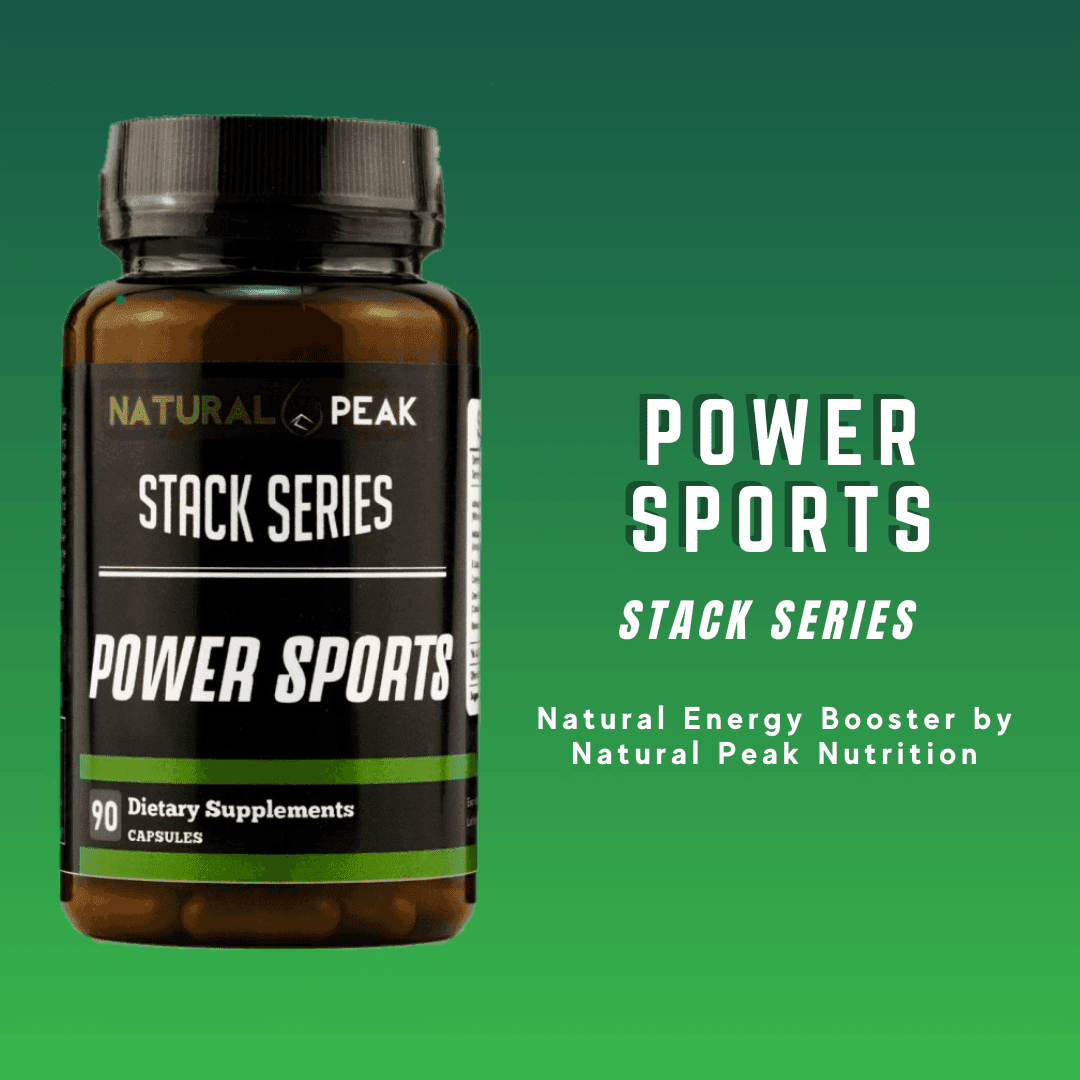
For shoppers looking at a broader wellness blend, some products in the marketplace are positioned less as “instant energy” and more as foundational support. If you want that kind of nutrition-first angle, a formula like natural-peak-nutrition-power-sports-natural-energy-booster is the kind of product vendors typically market as an active-lifestyle option rather than a stimulant.
On training days, the best energy supplements are often the ones that fit a sport use case. A review on soccer nutrition describes high-intensity intermittent demands and says optimal nutritional strategies to offset and delay fatigue are paramount. 6 That is a useful frame for anyone who feels the word “energy” mainly in the gym, on the court, or during long active shifts.
Caffeine fits that performance-oriented use case well because it has evidence across endurance, resistance, and team sport settings. 2 Creatine fits a different lane: it is especially relevant when short, repeated bursts matter and when ATP resynthesis during intense contractions is the bottleneck. 3 These ingredients are often more defensible choices than vague “energy” blends because their intended use is clearer.
Some readers want a non-stimulant option that feels more like support for training recovery and general vitality. In that space, cordyceps is often discussed as a mushroom-based ingredient. If you are comparing a non-stimulant energy and recovery angle, cordyceps is the product name to look at; cordyceps mushroom products are often marketed for a stamina-first niche rather than a caffeine-like push.
A practical way to choose is to ask what kind of fatigue you want to manage. If the problem is sleepy afternoons, caffeine is the simplest evidence-backed place to start. If the problem is repeated training efforts or power output, creatine may be the better match. If you want a gentler, non-stimulant route, a mushroom-based formula may be more appealing, though the label should still be read carefully.
Start with the ingredient list. A short, transparent formula is easier to evaluate than a long proprietary blend with unclear amounts. If the product contains caffeine, check the source and serving size so you know whether the dose is likely to feel mild or strong. If it contains creatine, confirm whether it is creatine monohydrate, since that is the form most commonly discussed in performance reviews. 3 If it contains B vitamins, remember that they support metabolism rather than act as a stimulant. 4
Then think about the outcome you want. For alertness, caffeine is usually the cleanest option. For training support, creatine has the better fit. For nutritional coverage, vitamins and minerals may be more useful than a stimulant-heavy product. Reviews of fatigue also suggest that when symptoms are ongoing, sleep and medical causes should be considered rather than assuming the supplement is the whole answer. 1
It also helps to watch for overpromising language. A label that implies instant transformation is usually a marketing signal, not a reason to expect dramatic results. The more realistic the claim, the easier it is to compare products on equal terms. In general, supplements can support performance or daily function, but they are still only one part of the bigger picture. 5 1
For PH shoppers, the key issue is not just whether a product is appealing; it is whether the seller, category, and labeling make sense for local buying. Availability can vary across catalog categories, and some products that look similar on a website may fall into different regulatory buckets once you check the details. Buyers in the Philippines should confirm product classification, labeling, and seller compliance before ordering. 1 3
That is especially important for products that sit near the border between supplement and more tightly controlled categories. If you are buying locally or using delivery within the Philippines, check whether the seller clearly states what the item is, how it is labeled, and whether it is appropriate for online sale in your area. A cautious read of the product page is better than assuming every energy-oriented item is interchangeable.
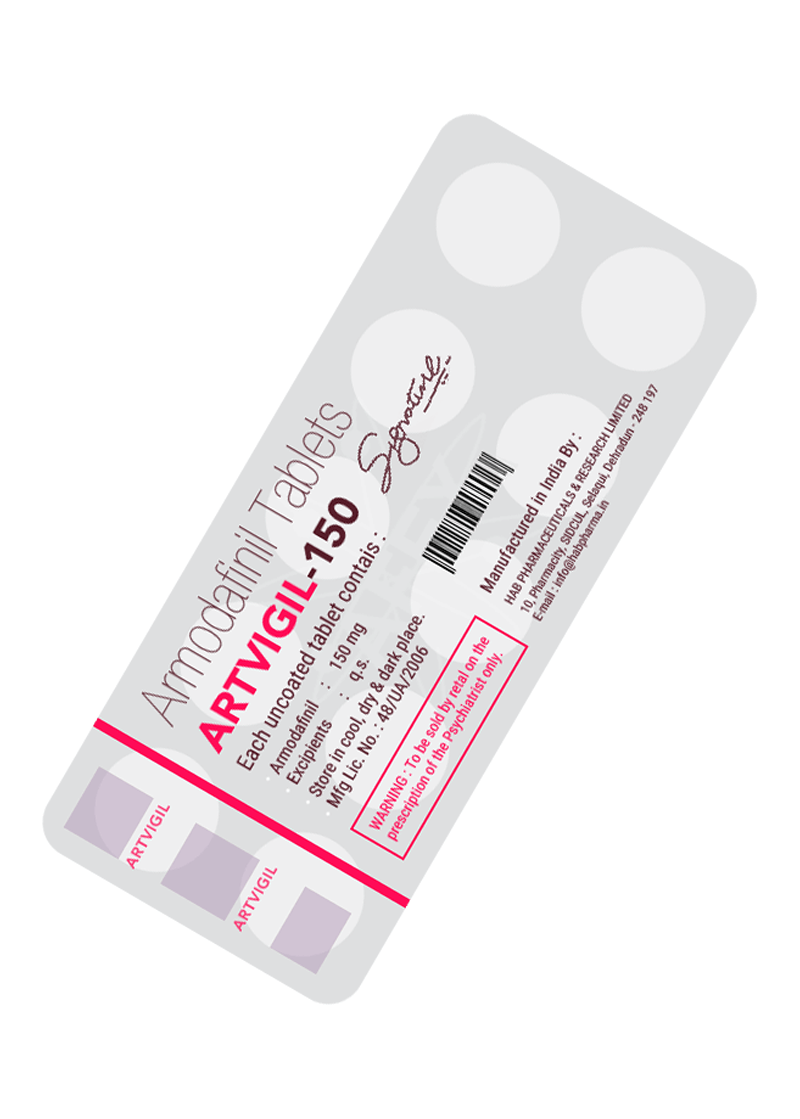
For readers comparing alertness products, vendors may also position some items as more focused or more schedule-driven than general wellness supplements. Artvigil is one example of a product name that sellers typically present as an alertness-oriented option rather than a nutrition-first formula; if you are comparing that sort of catalog item, the artvigil listing is the relevant one to inspect.
Yes. A sport review says scientific evidence supports caffeine for improving high-intensity endurance exercise, explosive and high-intensity efforts, resistance exercise, team sports, and combat sports, with individual variation in response. 2
No. B vitamins support energy metabolism, but the abstract says they do not directly provide energy and function as cofactors in energy metabolism processes. 4
No. A recent review says creatine monohydrate is widely used in high-intensity sports, but it also discusses benefits beyond athletic performance. 3
Because that language sells well, but fatigue has many causes. Reviews emphasize that a comprehensive medical work-up is needed when fatigue persists, so a supplement should not be viewed as the only answer. 1
Often yes, but availability depends on the product type and seller compliance, so check labeling, category details, and local delivery terms before ordering. 1 3
Start with the goal, then compare evidence, ingredient transparency, and whether the product fits alertness, training, or general nutritional support. 5 2
If you want a general active-lifestyle pick, natural-peak-nutrition-power-sports-natural-energy-booster
This article is for educational purposes only. It is not medical advice, not a substitute for professional consultation, and is not intended to diagnose, treat, cure, or prevent any disease.
Statements about dietary supplements have not been evaluated by the FDA. Individual results vary. Consult a licensed physician before starting any new supplement — especially if you are pregnant, breastfeeding, have a medical condition, or are taking prescription medication.
Quality and sourcing information is available on our quality page. Batch-level lab test data is available on request — contact support.
Last reviewed: 2026-05-01
Beth Grill, Maria Cole. Approach to Fatigue and Energy Conservation.. Physical medicine and rehabilitation clinics of North America (2021). https://pubmed.ncbi.nlm.nih.gov/34175009/
Bryan Saunders, Larissa Registro da Costa, Ricardo Augusto Silva de Souza. Caffeine and sport.. Advances in food and nutrition research (2023). https://pubmed.ncbi.nlm.nih.gov/37722778/
Jorge Gutiérrez-Hellín, Juan Del Coso, Arturo Franco-Andrés. Creatine Supplementation Beyond Athletics: Benefits of Different Types of Creatine for Women, Vegans, and Clinical Populations-A Narrative Review.. Nutrients (2024). https://pubmed.ncbi.nlm.nih.gov/39796530/
Mon-Chien Lee, Yi-Ju Hsu, Sih-Yu Shen. A functional evaluation of anti-fatigue and exercise performance improvement following vitamin B complex supplementation in healthy humans, a randomized double-blind trial.. International journal of medical sciences (2023). https://pubmed.ncbi.nlm.nih.gov/37786445/
Anne-Laure Tardy, Etienne Pouteau, Daniel Marquez. Vitamins and Minerals for Energy, Fatigue and Cognition: A Narrative Review of the Biochemical and Clinical Evidence.. Nutrients (2020). https://pubmed.ncbi.nlm.nih.gov/31963141/
Andrew T Hulton, James J Malone, Neil D Clarke. Energy Requirements and Nutritional Strategies for Male Soccer Players: A Review and Suggestions for Practice.. Nutrients (2022). https://pubmed.ncbi.nlm.nih.gov/35277016/