Bestseller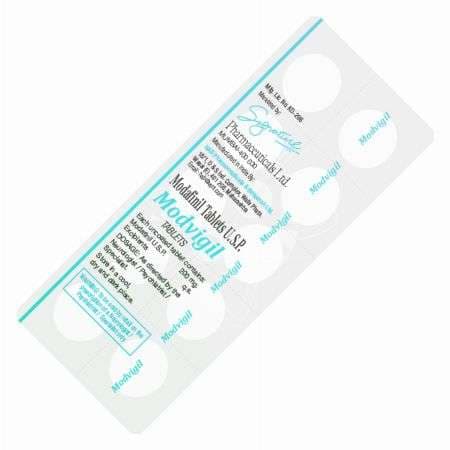
Focus
Last reviewed June 5, 2026
Occasional emails. Unsubscribe anytime.
TL;DR
In the Philippines, shoppers comparing brain supplements often face a mix of local availability, social-media hype, and very different ingredient styles. The safest way to sort them out is to start with your goal, then check whether the ingredient profile actually matches it.
A practical brain-supplement shortlist starts with ingredient quality, not marketing language. Functional foods research highlights bioactive compounds such as omega-3 fatty acids, probiotics, prebiotics, polyphenols, and vitamins as ingredients commonly discussed in health-support products.1 That does not mean every product works the same way; it means the category is broad enough that label-reading matters.
For Filipino buyers, nutrient gaps are also worth keeping in mind. Reviews of micronutrient deficiencies describe them as a persistent public-health issue in lower- and middle-income settings, especially where diet diversity and access barriers are limited.4 In that context, a supplement may make more sense when it fills a real gap rather than when it simply adds more capsules.
It also helps to think in terms of use-case. If you want focus for work or study, you may prefer a more targeted formula. If your goal is general coverage, a multivitamin may be enough. If you are comparing options for sleep, mood, or recovery, the timing and ingredient profile matter just as much as the label.
B-vitamins and minerals are often the first comparison point because they sit at the foundation of many general wellness routines. That baseline approach makes sense when someone wants broader nutritional support rather than a narrow, single-ingredient effect.4
Omega-3 fatty acids are another common ingredient people search for when looking at brain-health supplements. Functional foods reviews consistently place omega-3s among the better-known bioactive compounds discussed for health-support applications.1 They are often viewed as a more nutrition-centered option than stimulant-style products.
Prebiotics and probiotics have also become part of brain-support conversations. The gut-brain axis is a real research theme, and studies on microbiota modulation describe these ingredients as being discussed in relation to gut and brain signaling.5 Separately, public-interest research shows that probiotics attract strong consumer attention online, which helps explain why they show up in shopping conversations so often.2
Creatine and ginkgo biloba are also frequent comparison ingredients in nootropic browsing. In practice, shoppers often use them as reference points when they want to compare a more classic supplement stack with a more targeted product style. And for people who want a broader “energy plus motivation” angle, taurine with B6, B9, and B12 has been studied in healthy adults for motivated behavior outcomes.6
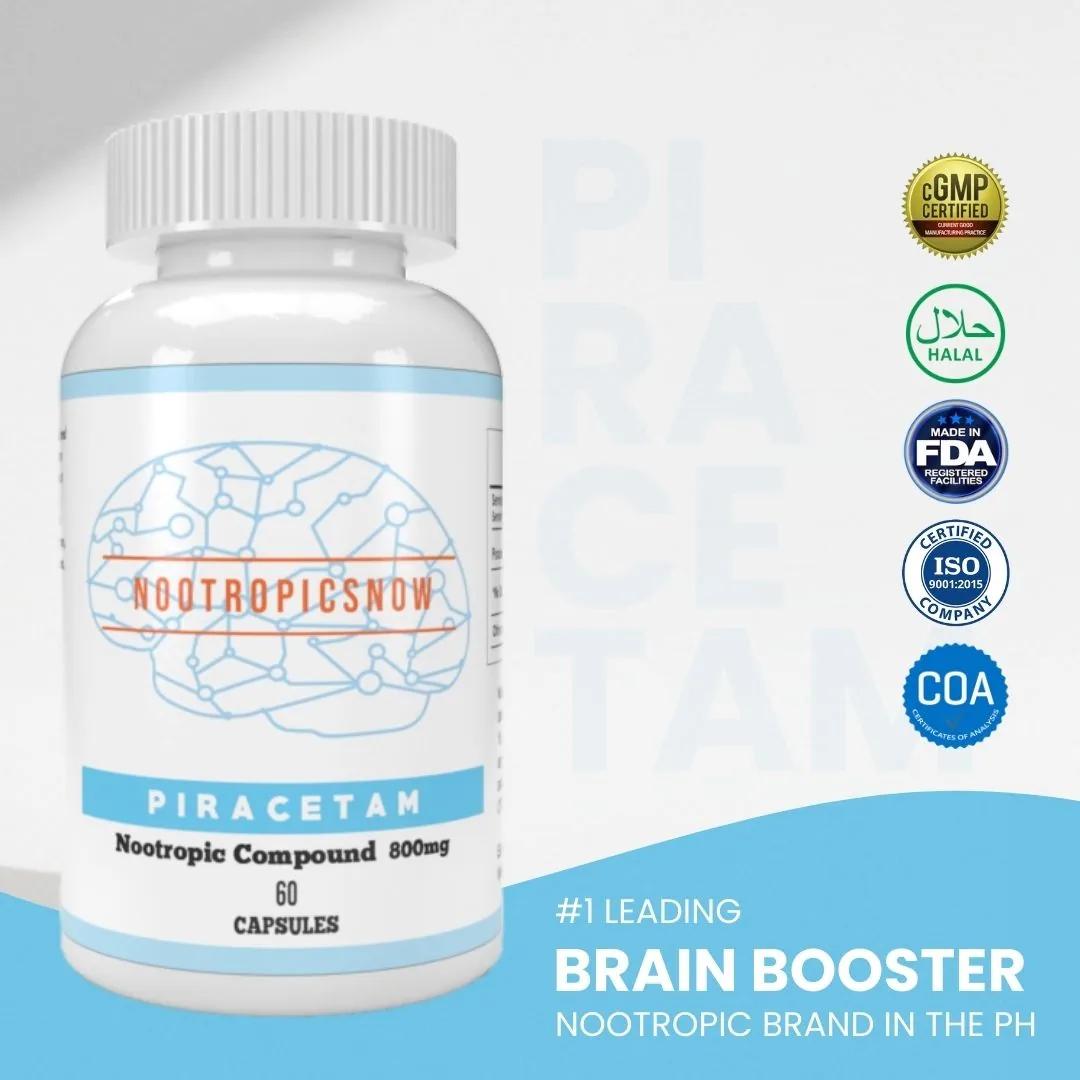
For a more targeted option, Piracetam is often discussed by shoppers comparing memory-first products with more general focus supplements.
If you are comparing ingredient families, the key is not to ask which one is “best” in the abstract. Ask which one fits your actual routine, because a study-heavy student, a sleep-deprived shift worker, and a person looking for broad nutrition coverage are not shopping for the same outcome.
A simple decision rule works better than chasing a broad stack: choose by goal first, then by ingredient. Reviews of functional foods and micronutrient status support that practical approach because brain-support products often sit at the intersection of nutrition, lifestyle, and symptom context.14
For focus and energy, shoppers usually compare targeted formulas against simpler nutrient blends. If a product is sold for wakefulness or productivity, it should still be judged by whether the ingredient profile fits your tolerance, time of day, and work pattern. For readers wanting a more direct focus-oriented option, Modvigil is typically marketed as a focus and alertness choice.
For memory, some people prefer a product that feels easy to slot into a study routine, while others want something closer to a daily nutritional base. That difference matters because a general multivitamin and a memory-focused product are not interchangeable. When the goal is broad coverage rather than a single effect, multivitamin and mineral use may be a reasonable fit for some older adults, according to population-model research on dementia-risk reduction in Taiwan.3
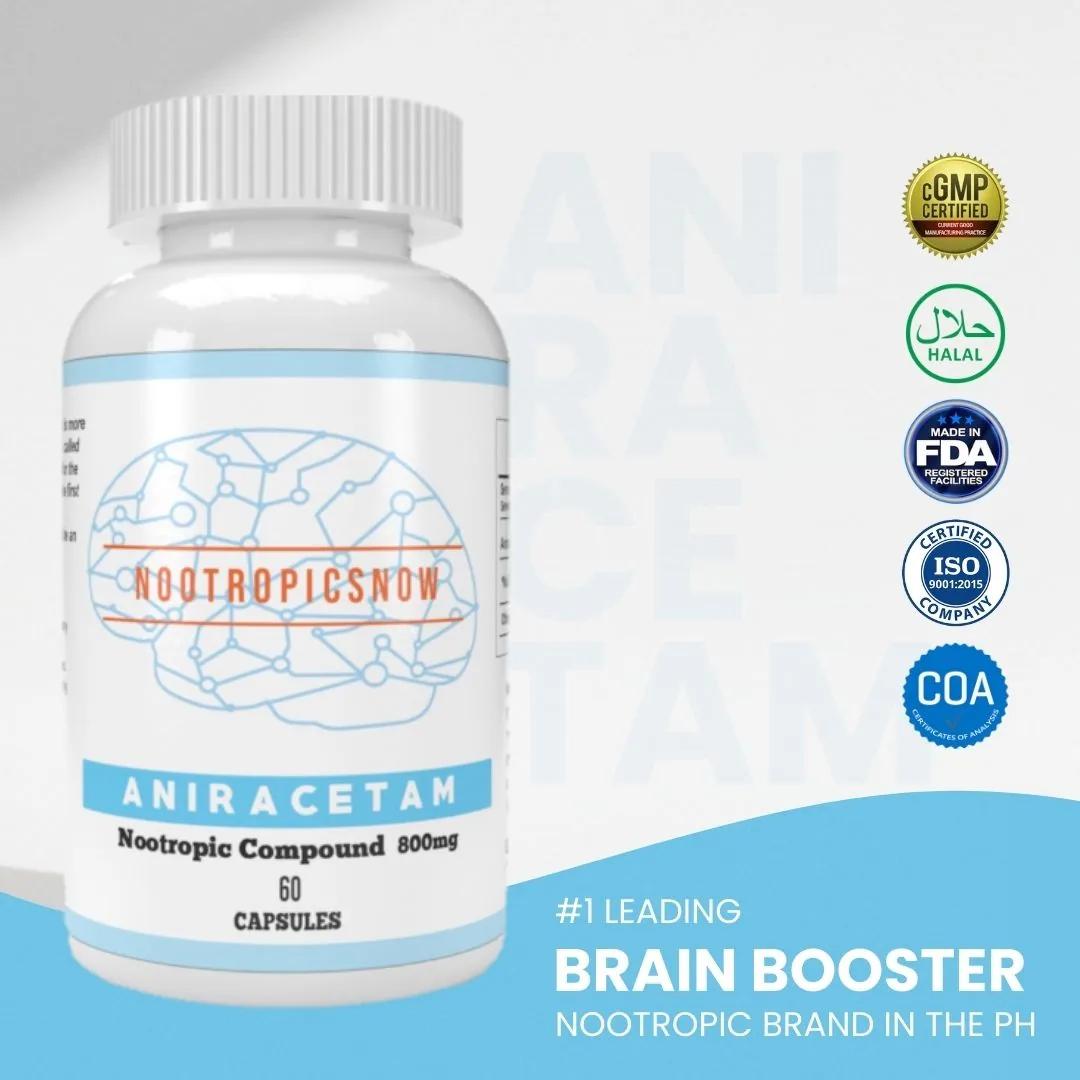
For mood and stress, the overlap with sleep, nutrition, and lifestyle is usually bigger than buyers expect. Social-media discussion can also distort expectations, so the safer move is to look at the ingredient list and ignore claims that sound too broad.7 If you want a comparison point in that space, Aniracetam is sold as a focus-and-mood option in the racetam family.
For sleep and recovery, timing matters. A formula taken in the evening should be evaluated differently from something you plan to use before work or class. The point is not to stack more ingredients; it is to choose a product that supports the timing of your day.
Search trends and social content are helpful only as a demand signal. Public-interest research on probiotics found that topic interest can rise even when the scientific conversation is still evolving, which is a good reminder that popularity and evidence are not the same thing.2
Social-media disinformation can also increase anxiety, stress, and confusion, especially when posts make a supplement sound like a universal solution.7 That is why “brain vitamins,” “mental fog,” and “study support” searches function as prompts to compare ingredients, not as proof that a product belongs in your cart.
This is where better filtering helps. A lot of online curiosity clusters around broad brain-health routines, which is consistent with the way functional foods are discussed in research: as a category that can include vitamins, omega-3s, probiotics, prebiotics, and other bioactive compounds.1 If a product is getting attention because it sounds trendy, check whether the label actually matches the use-case you have in mind.
A multivitamin can be enough when your goal is broad nutritional coverage, especially if you are not trying to solve a very specific problem. Population-model research in older Taiwanese adults examined regular multivitamin and mineral use in relation to dementia-risk reduction, which is a very different question from “What helps me concentrate this afternoon?”3
That distinction matters. A multivitamin may be a sensible baseline when diet quality is variable, but it is not the same thing as a targeted brain supplement. Reviews of micronutrient deficiency also remind us that nutritional support is most meaningful when it addresses a real gap rather than adding complexity for its own sake.4
So if your current routine is already balanced, a broader product may be all you need. If you are trying to solve a specific issue, such as attention during long work sessions or memory support during study periods, a more focused formula is usually the better comparison.
When buying brain supplements online, start with clarity. Look for products that clearly name their ingredient profile and the outcome they are marketed around. That makes comparison easier and helps you avoid vague blends that promise everything and explain nothing.
Be especially careful with social-platform claims. Research on TikTok disinformation notes that misleading health content can increase anxiety, stress, and confusion and can undermine trust in reliable sources.7 That does not mean every viral supplement is bad; it means you should verify ingredient labels before you buy.
It also helps to use retailer tools sensibly. Catalog filters and quizzes can narrow options, but they should not replace your own review of dosage, ingredient type, and intended use. If a product sounds overly broad, or if it seems to promise every benefit at once, slow down and compare it against simpler alternatives.
The best choice depends on your goal and the ingredient profile, not just the label. For focus and energy, shoppers often compare targeted products instead of generic blends.
Not exactly. People use the terms loosely, but shopping often splits into broad nutrient support versus more targeted ingredient-based products.
They can be part of the conversation because prebiotics and probiotics are often discussed in relation to the gut-brain axis.5
Because social videos make the problem feel familiar and urgent. That interest can help shape product research, but it should not replace ingredient review.7
Yes, if your main goal is broad nutritional coverage. Multivitamin and mineral use is often discussed as a general wellness option rather than a single-target solution.3
It can be, as long as you compare ingredients carefully, read labels closely, and avoid overhyped claims.
Availability can vary by retailer, so check current listings and local Philippine shipping options before ordering.
Shop Modvigil in the Philippines
This article is for educational purposes only. It is not medical advice, not a substitute for professional consultation, and is not intended to diagnose, treat, cure, or prevent any disease.
Statements about dietary supplements have not been evaluated by the FDA. Individual results vary. Consult a licensed physician before starting any new supplement — especially if you are pregnant, breastfeeding, have a medical condition, or are taking prescription medication.
Quality and sourcing information is available on our quality page. Batch-level lab test data is available on request — contact support.
Last reviewed: 2026-04-25
Arshad Z, Shahid S, Hasnain A. Functional Foods Enriched With Bioactive Compounds: Therapeutic Potential and Technological Innovations.. (2025). https://pubmed.ncbi.nlm.nih.gov/41063746/
Pezzino S, Sofia M, Mazzone C. Exploring public interest in gut microbiome dysbiosis, NAFLD, and probiotics using Google Trends.. (2024). https://pubmed.ncbi.nlm.nih.gov/38191502/
Toh KR, Tan JM, Bang KS. The role of multivitamins and minerals (MVM) supplementation in dementia risk reduction for older people in Taiwan: Insights from a population health and economic model.. (2025). https://pubmed.ncbi.nlm.nih.gov/41424820/
Elegbeleye JA, Fayemi OE, Agbemavor WSK. Beyond Calories: Addressing Micronutrient Deficiencies in the World's Most Vulnerable Communities-A Review.. (2025). https://pubmed.ncbi.nlm.nih.gov/41470905/
Braga JD, Yang Y, Nagao T. Fructooligosaccharides and Aspergillus enzymes increase brain GABA and homocarnosine by modulating microbiota in adolescent mice.. (2025). https://pubmed.ncbi.nlm.nih.gov/40175389/
Anlacan VM, Jamora RDG, Krattinger LF. A nutritional blend of taurine, vitamins B6, B9, and B12 improves motivated behaviors in healthy adults-a double-blinded randomized clinical trial.. (2026). https://pubmed.ncbi.nlm.nih.gov/41889717/
Hudon A, Perry K, Plate AS. Navigating the Maze of Social Media Disinformation on Psychiatric Illness and Charting Paths to Reliable Information for Mental Health Professionals: Observational Study of TikTok Videos.. (2025). https://pubmed.ncbi.nlm.nih.gov/40532184/